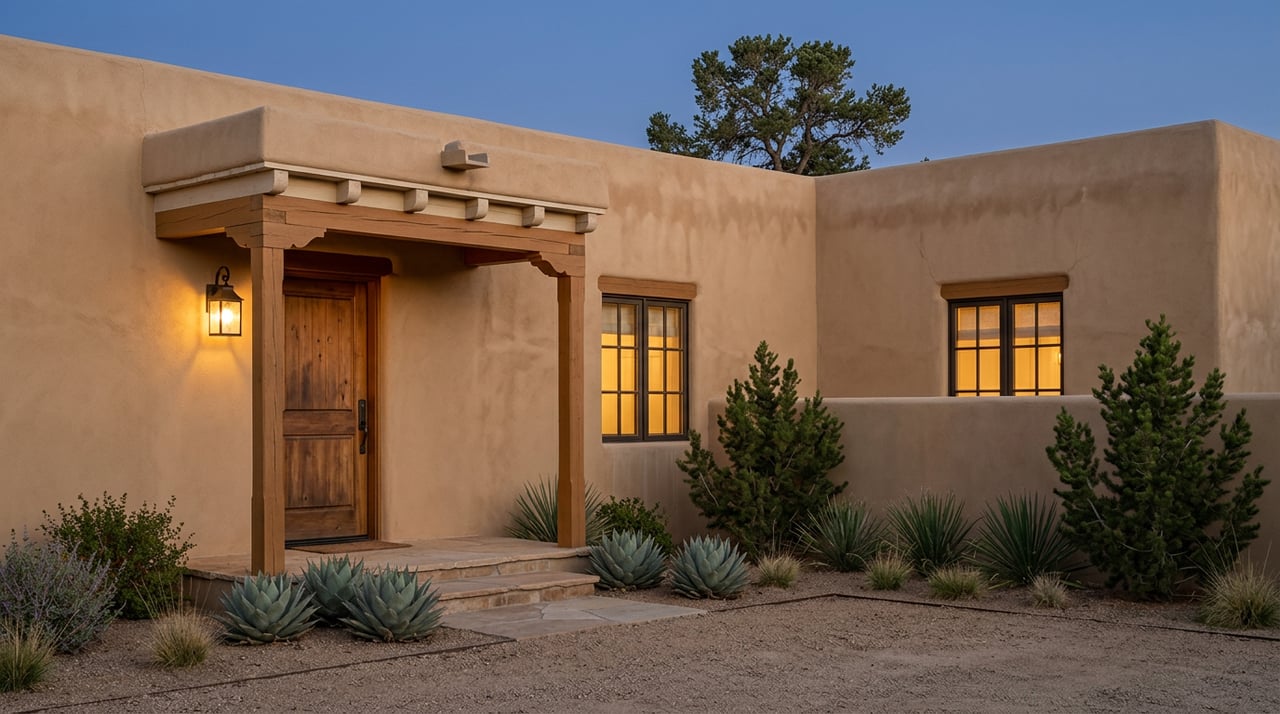
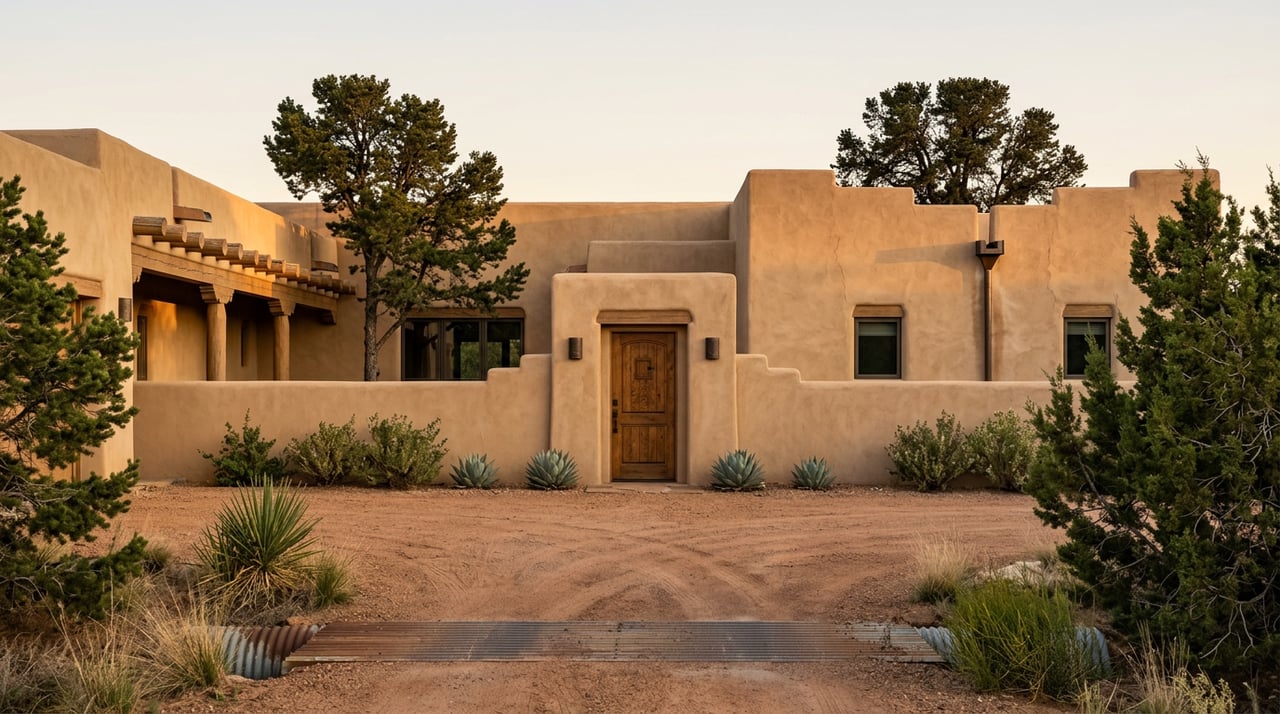
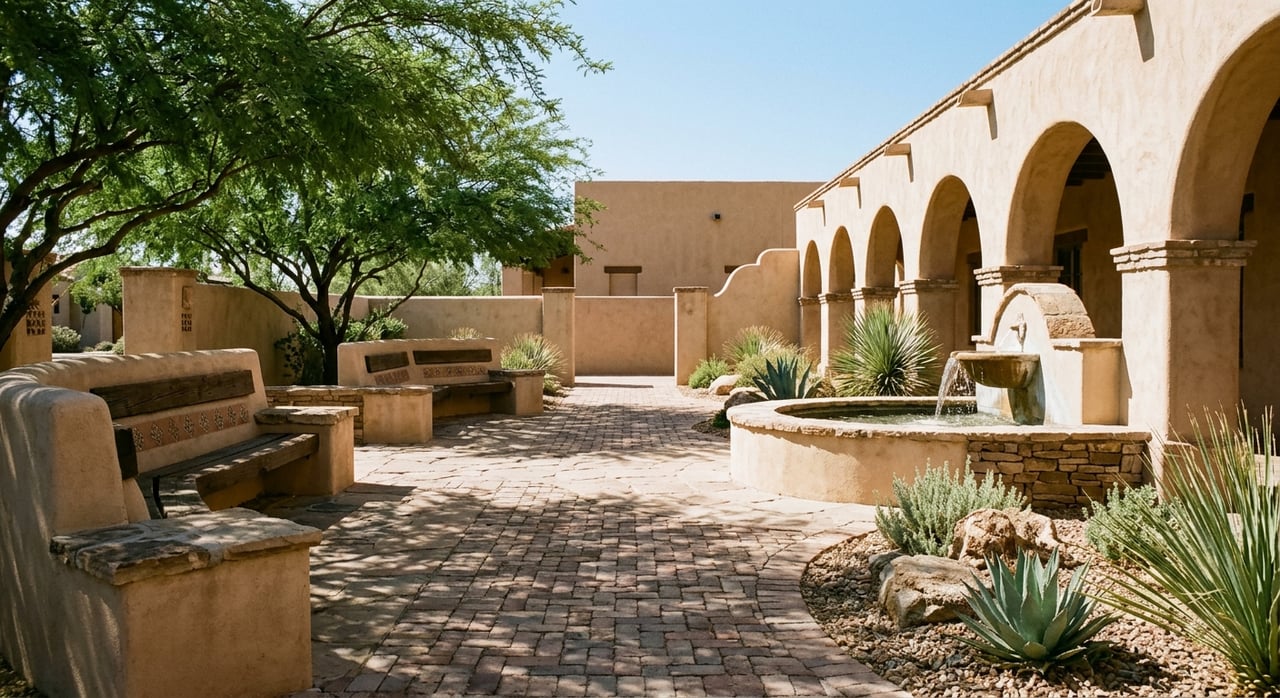
Buying land in La Tierra or La Tierra Nueva can be a dream move if you want space, views, and the freedom to design your own home. It can also be confusing if you are new to land purchases in Northern New Mexico. You want to avoid surprises, protect your budget, and move from vision to build with confidence. In this guide, you will learn the key checks for title, water, access, utilities, zoning, costs, and timelines so you can make a smart, safe purchase. Let’s dive in.
Start with your end goal
Before you look at parcels, get clear on how you plan to use the land. Are you building now or later? Do you want a main home with a guest house or studio? Will you need room for equestrian facilities or outbuildings? Your answers shape what size lot, access, utilities, and approvals you will need.
Create a simple needs list and a nice-to-have list. Note your preferred building footprint, driveway location, and likely utility routes. This will make site visits more productive and help you assess feasibility faster.
Title, easements, and recorded constraints
Buying land is about the dirt you see and the documents you cannot see. A clean title and clear access are essential.
Order a title report
Ask a title company for a current owner’s title report or preliminary title commitment. Confirm the legal description, the current owner, and whether there are liens, mortgages, judgments, or unpaid taxes that must be cleared at closing. Title insurance for raw land is a smart protection.
Confirm easements and access
Look for recorded access easements for driveways and utilities, as well as conservation or utility corridors. Verify that access is legal and usable under all seasons. If the parcel does not front a public road, get a written, recorded access easement. Review any road maintenance agreements that assign cost sharing among owners.
Review CC&Rs and design guidelines
Many subdivisions in this area have covenants, conditions, and restrictions. These can set building envelopes, exterior materials and colors, rules for outbuildings, livestock, or short-term rentals, and architectural review steps. Ask for the full set of recorded CC&Rs and any current HOA rules and fees. If there is a design review committee, learn its process and timeline early.
Check mineral rights and boundaries
Mineral rights may have been reserved by a prior owner. If mineral rights are severed, future subsurface activity could be possible. A current boundary or ALTA/NSPS survey will confirm exact lines, reveal encroachments, and help your designer place improvements within setbacks and building envelopes.
Water and wastewater
Water is the lifeblood of any land purchase. In La Tierra and La Tierra Nueva, your options usually include a private well or a municipal tap if service is available.
Confirm your water source
• Municipal water: Ask whether the parcel is inside a service area and whether a tap is available. If taps are available, confirm the cost of connection and any impact fees.
• Private well: In more rural sections, a private well may be necessary. Ask a licensed well driller about typical depths and yields nearby. Check state permitting requirements before drilling.
• Surface water and acequias: Some Western parcels involve acequia associations for irrigation. If a parcel is tied to an acequia, review bylaws and any assessments.
Verify water rights
In many Western states, water rights are separate from land ownership. Confirm with the state water office whether any rights are appurtenant to the parcel, and whether there are limits on use. If a seller claims water rights, ask for the documentation.
Plan for septic
Most parcels not served by a sewer will require a septic system. A percolation test and site evaluation through the county health or environmental department are typically required. Rocky soils, shallow bedrock, or high groundwater can push you toward an engineered system, which raises costs. Discuss options with a licensed septic designer or installer before your inspection deadlines expire.
Access, roads, and utilities
Access, power, and internet are major value drivers for land in this area. Verify each item rather than assume.
Road type and maintenance
• Public vs. private roads: Confirm whether the road is publicly maintained or private. Private roads often require owners to share grading or snow removal costs.
• Winter access: In parts of rural Northern New Mexico, winter access can be limited. Ask about plowing history and who pays for it.
• Driveway permits: New driveways, culverts, or road encroachments may require permits. Confirm with the road authority before you design.
Electricity, communications, and gas
• Electric service: Call the local utility to verify the nearest pole or transformer and request a line extension estimate. Underground service can cost more than overhead.
• Internet and phone: Coverage varies by location. Ask about wired broadband, fixed wireless, or satellite. Check cellphone reception on site at different times of day.
• Natural gas and propane: Many rural homes use propane for heating and cooking. Confirm delivery routes and tank placement options early in design.
Garbage and mail
Some rural parcels do not have curbside pickup. Ask about transfer stations or centralized drop-off points for garbage and recycling. Mail may be delivered to a community box rather than directly to your driveway.
Zoning and building rules
Zoning and building codes determine what you can build and where you can place it on the lot.
Know your zoning district
Confirm the zoning designation for the parcel and review allowed uses, minimum lot sizes, setbacks, height limits, and rules for accessory structures. If you are planning a guest house, studio, barn, or short-term rental, verify whether those uses are permitted or require a special approval.
Building permits and inspections
Most jurisdictions use versions of the International Residential Code. Expect permits and inspections for foundation, framing, plumbing, electrical, septic, and final occupancy. Ask the permitting office about typical review timelines so you can plan your construction schedule.
Design review and firewise standards
Some subdivisions require architectural review to maintain a consistent look or preserve view corridors. In wildfire-prone landscapes, you may need defensible space and mitigation measures around structures. These can include vegetation thinning and materials that resist ember ignition.
Site suitability and environmental risks
Every parcel is unique. A beautiful view lot can hide practical challenges that add time and cost.
Topography and soils
Steep slopes drive up grading and foundation costs. Rocky or clay soils can complicate septic systems and footings. Ask for a preliminary soils report and topographic map so your designer can locate a stable building pad and efficient driveway route.
Drainage and flood
Use FEMA flood maps to check if any part of the parcel lies in a regulated flood zone. Walk the land after rain if possible to understand natural drainage. You may need drainage easements or engineered solutions to handle runoff.
Wildfire, geology, and cultural resources
Vegetation type influences wildfire risk and mitigation needs. Some areas can have shallow bedrock, subsidence risk, or landslide concerns. In parts of Northern New Mexico, archaeological or cultural resources may trigger surveys or mitigation before ground disturbance. Ask the appropriate offices for guidance if you see signs of historical features.
When to bring in experts
A civil or geotechnical engineer, a licensed well driller, and a septic designer can save time and prevent mistakes. A site walk with a builder early in due diligence is one of the best investments you can make.
Costs, financing, and timelines
Land purchases often have more line items than home purchases. Plan for soft costs as well as hard costs.
Budget categories to expect
• Survey, title insurance, and closing costs
• Water: well drilling and equipment or a municipal tap and impact fees
• Wastewater: perc test, septic design, and installation
• Power and communications: line extensions, trenching, conduit, and equipment
• Access: driveway, culverts, road improvements, and gates
• Site work: grading, excavation, retaining walls, and drainage
• Permits: building, septic, driveway, and any environmental reviews
• Construction: foundation, framing, systems, finishes, and contingencies
Financing land and construction
Land loans are different from home mortgages. They often require larger down payments, commonly 25 to 50 percent, shorter terms, and higher interest rates. Some buyers secure a lot loan first, then a construction loan, while others use a construction loan that includes the lot. Sellers may offer owner financing in some cases. Lenders will look at access, soils, and utilities as part of underwriting.
Carrying costs and insurance
During your holding period, budget for interest, property taxes, HOA dues if any, road maintenance contributions, and insurance. If your parcel is in a flood zone or high wildfire area, insurance costs can be significant. Title insurance for raw land is worth the line item.
Timeline realities
Even with a straightforward parcel, you will need time for surveys, studies, permits, and contractor bids. Expect weeks to months for due diligence and permitting. Build timelines vary with design complexity, site work, and contractor schedules.
A due-diligence checklist you can use
Use this step-by-step list to keep your purchase on track:
- Verify the legal description and obtain a deed copy.
- Order a current title report and consider title insurance.
- Get a current survey to confirm boundaries and easements.
- Confirm zoning, allowed uses, setbacks, and any overlays with the governing planning office.
- Request and review CC&Rs, HOA contact details, rules, and fees.
- Verify road type and maintenance responsibilities; secure a written access easement if needed.
- Ask the electric provider for the nearest service point and an extension estimate.
- Check broadband options and cellphone coverage on site.
- Determine water availability: municipal tap status and fees, or well feasibility and permitting.
- If using a well, request nearby well logs and a yield estimate from a licensed driller.
- Confirm septic feasibility with a perc test and health department requirements.
- Order a soils report and topographic map if slopes or soils are uncertain.
- Check FEMA flood maps and local floodplain status.
- Search public records for tax status, liens, judgments, or pending litigation.
- If near active agriculture, review any right-to-farm disclosures.
- Engage local professionals: surveyor, well driller, septic designer, engineer, and a real estate agent experienced in vacant land.
- If financing, confirm lender requirements and appraisal timing.
- Use purchase contingencies for title, survey, septic and well feasibility, and financing.
How a local advisor helps you win
Buying land is part technical, part strategic. A local agent who closes land deals, knows the subdivisions, and has relationships with surveyors, drillers, and builders can save you time and money. You get real-world cost ranges, quick reads on feasibility, and a clean way to structure contingencies that protect your deposit.
With a neighborhood-first approach and long-standing experience across Santa Fe’s land and estate markets, you get guidance that balances vision and practicality. You will understand each parcel’s constraints, how to navigate approvals, and what steps to take next.
Ready to talk through a parcel in La Tierra or La Tierra Nueva, or want a curated list that matches your goals? Connect with Leland Titus for local insight and a clear plan from first visit to closing.
FAQs
What should I verify first when buying land in La Tierra?
- Start with title, legal access, and CC&Rs. Order a title report, confirm a recorded access easement if needed, and review any HOA rules that affect building.
How do I confirm water for a La Tierra parcel?
- Ask if municipal taps are available or plan for a private well. Verify water rights with the state office and review acequia considerations if applicable.
What does a septic perc test tell me?
- It evaluates soil absorption so the health department can approve a septic system. Rocky or shallow soils may require an engineered system at higher cost.
How much can utility extensions cost on raw land?
- Costs vary widely by distance and terrain. Electric line extensions can range from a few thousand to tens of thousands of dollars. Get written estimates from providers.
Can I build right after closing on a La Tierra lot?
- Usually you need permits, septic approval, and utility arrangements first. Timelines depend on studies and permitting, which can take weeks to months.
Do I really need a survey if the lot is platted?
- Yes. A current survey confirms boundaries, reveals encroachments, and helps you place improvements within setbacks and building envelopes.