Picture your morning starting with a short walk to a neighborhood café, a warm cup in hand, and the Plaza just ahead. If you love art, food, and fresh air, Santa Fe’s Historic Eastside puts it all at your doorstep. You get walkable streets, a rich arts scene, and outdoor time built into your day, with the tradeoffs that come with a beloved, in-town historic district. In this guide, you’ll learn what daily life feels like, what homes are like behind the adobe walls, and the practical details that matter before you buy. Let’s dive in.
The everyday rhythm
Morning: Walkable coffee and errands
Many residents start the day on foot. You can stroll to cafés, bakeries, and the Railyard Farmers’ Market on market days for produce and prepared foods. Errands are simple when most needs sit within a short walk of downtown and the Railyard.
Midday: Galleries and museums
Canyon Road and downtown galleries make it easy to browse art between appointments. Museums are close by, including a world-renowned collection focused on regional and international art. You can spend an hour exploring, then be home for lunch in a shaded courtyard.
Afternoon: Courtyards and nearby trails
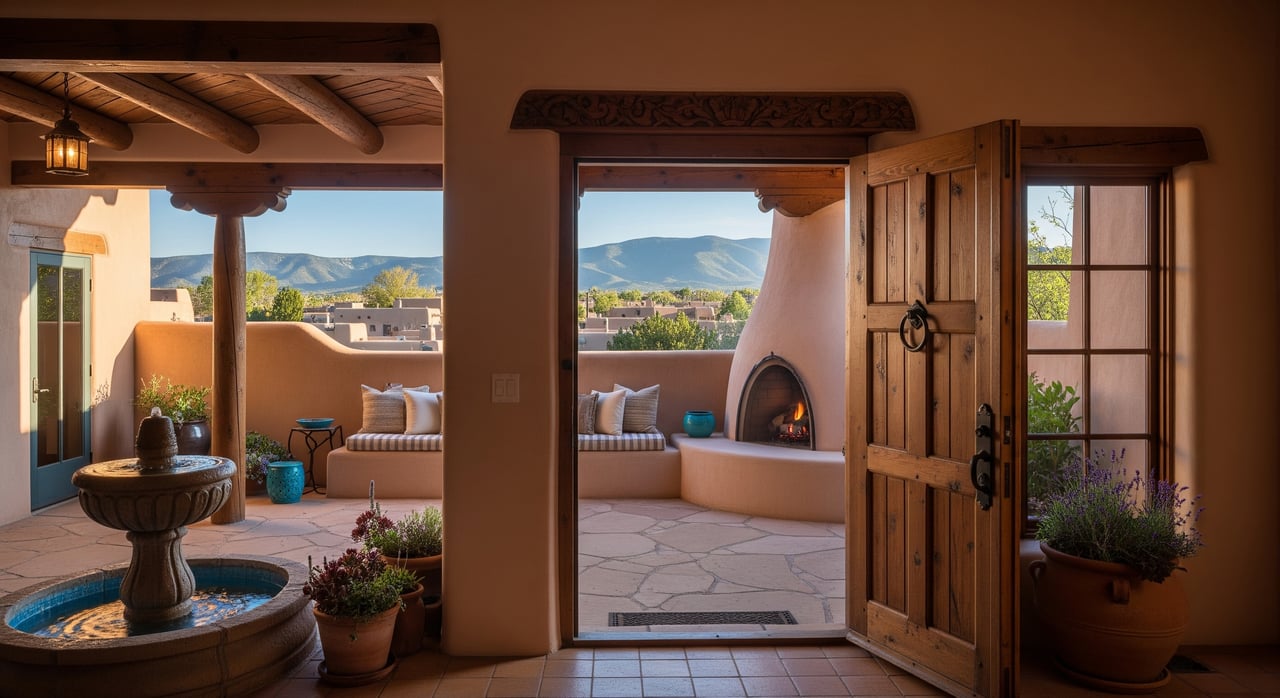
Private patios, portals, and enclosed gardens are part of the area’s charm. On nice days, many residents head to nearby urban trails for a quick walk or run. Foothill trailheads are a short drive for longer hikes and mountain biking.
Evening: Dining and culture
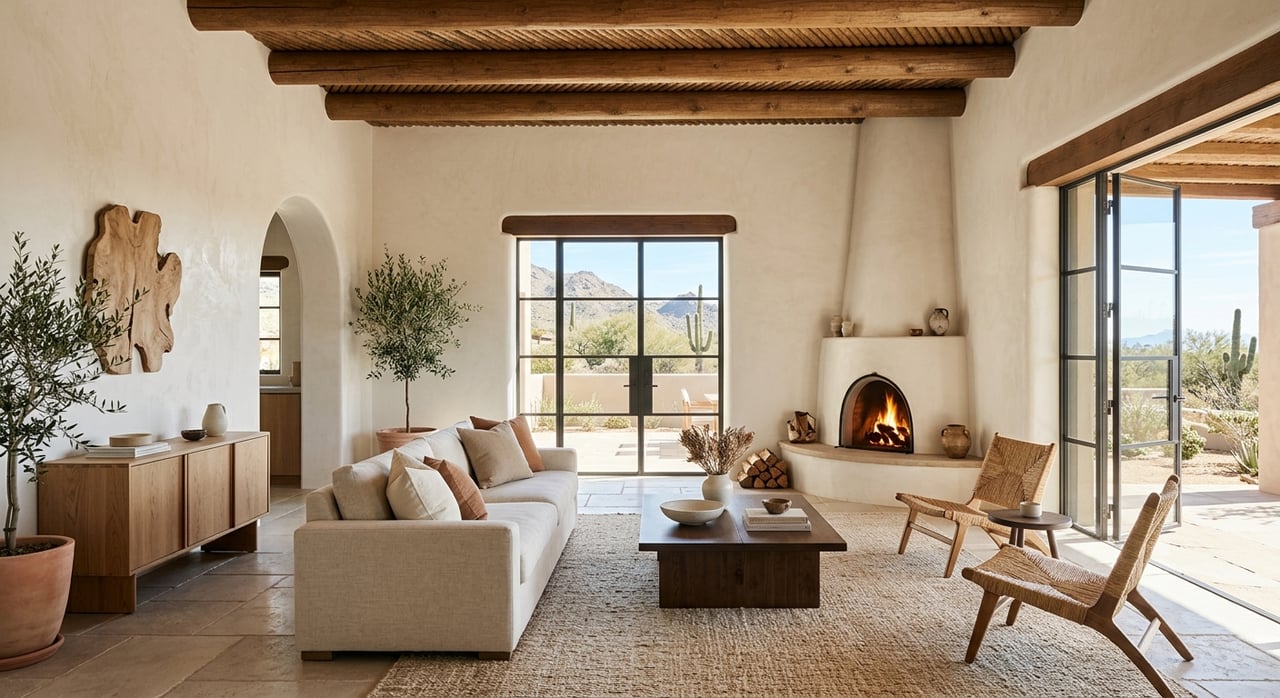
Downtown restaurants blend New Mexican tradition with fine dining, and many are within a comfortable walk. You can cap the night with a performance or seasonal event, then head home to a quiet living room warmed by a kiva fireplace. The routine feels easy when culture is this close.
Seasons: Quiet winters, lively summers
Expect a calm pace in late fall and winter, when the streets feel more local. Spring brings more activity, and summer is peak season with festivals and markets that draw visitors. The result is a lively social calendar and fuller sidewalks during major events.
Walkability and tradeoffs
The good: Close and convenient
The Historic Eastside is among Santa Fe’s most walkable areas. Cultural life, dining, and many services cluster near the Plaza, the Railyard, and Canyon Road. If pedestrian living is a priority, this is where it shines.
The real-life challenges
Narrow, historic streets can mean limited parking, especially on weekends or during big events. Tourism brings energy along with more foot traffic and occasional noise. If you value easy access over large private driveways, you will likely find the balance worth it.
Homes and architecture
What you see from the street
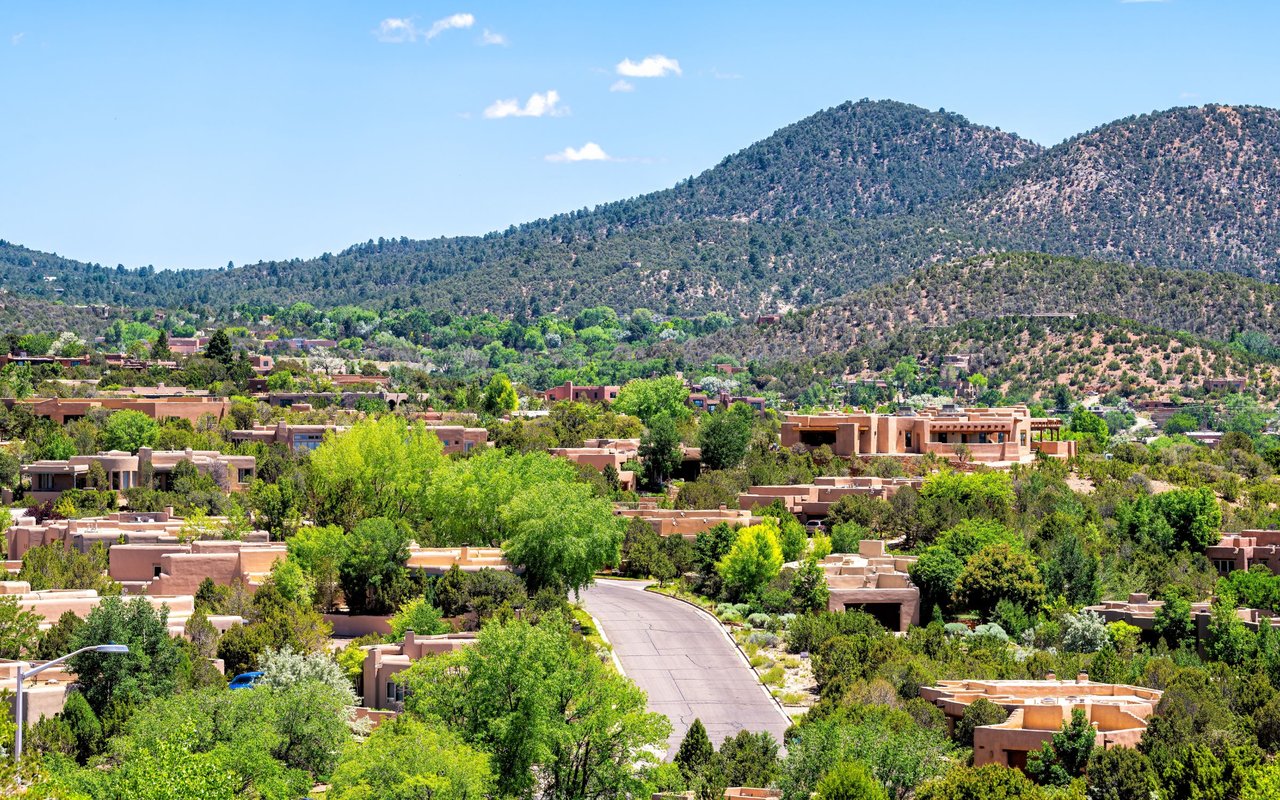
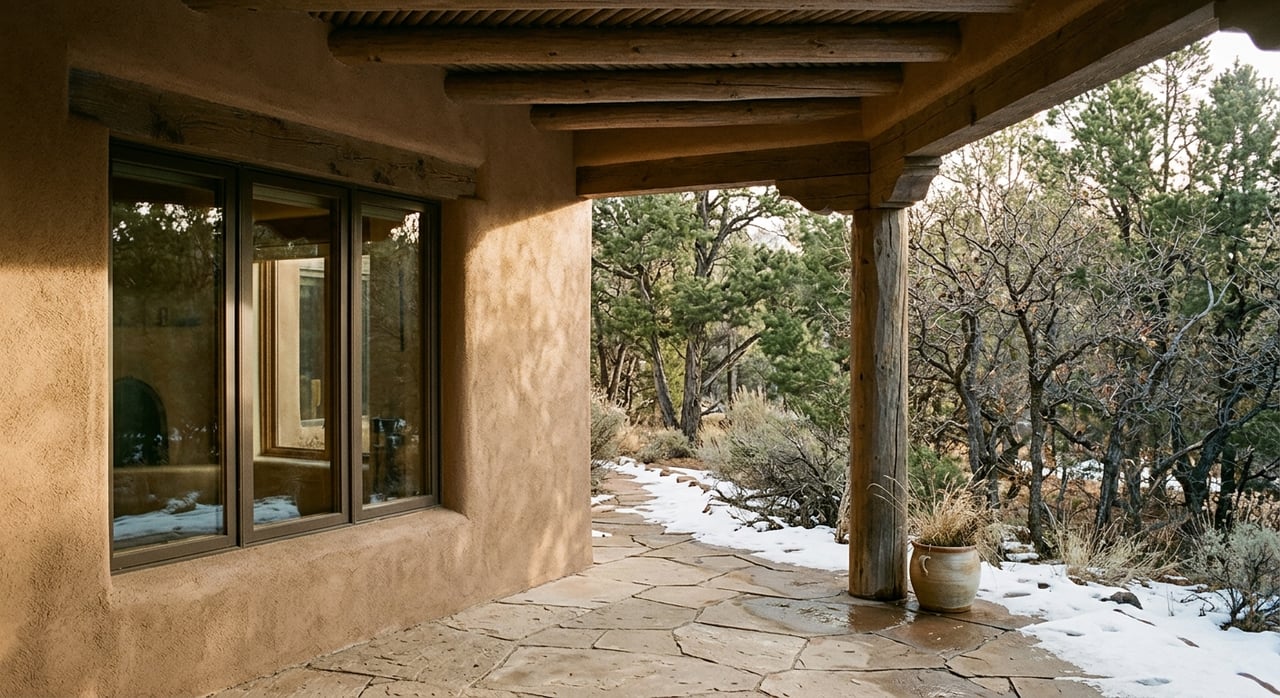
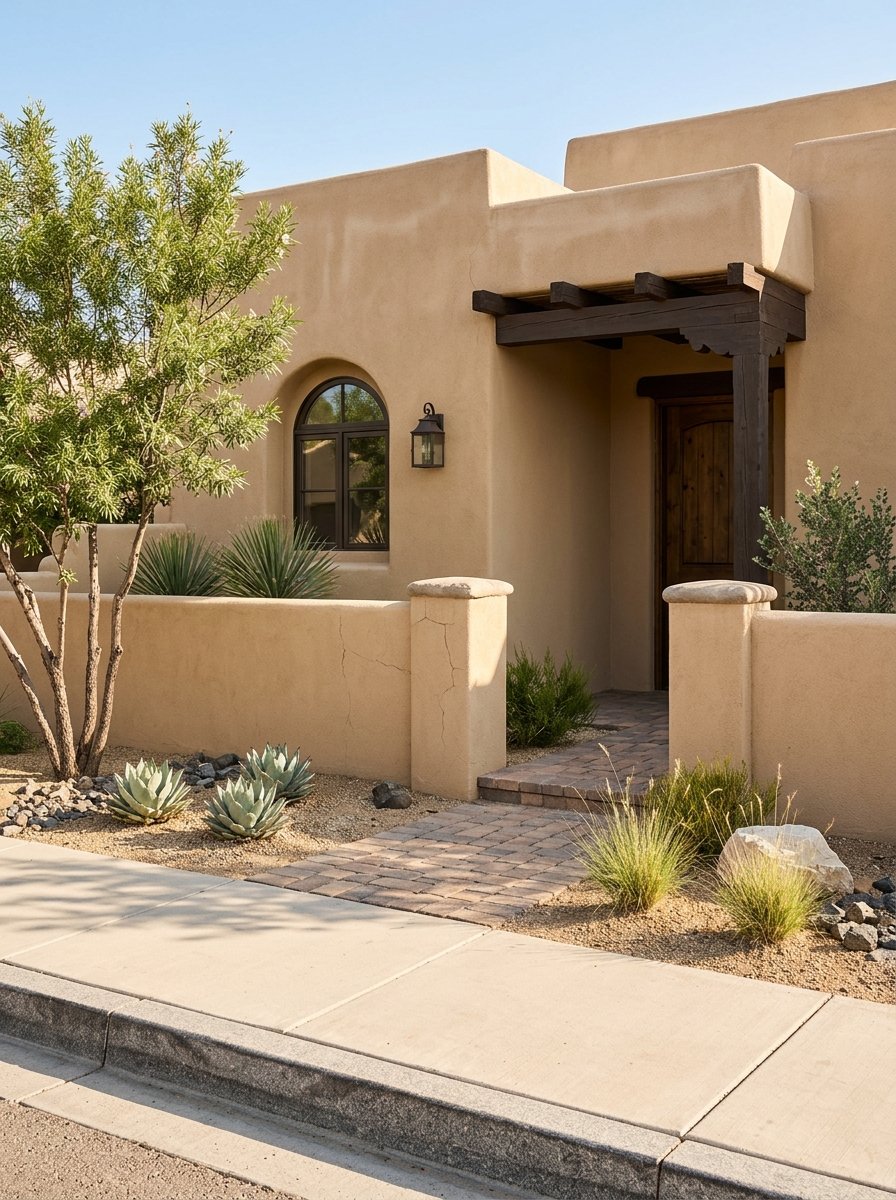
Traditional and revival styles define the look here, especially Adobe, Pueblo Revival, and Territorial. Expect flat roofs with parapets, vigas and latillas, thick walls, rounded corners, and stucco in warm earth tones. Scale stays low, with many single-story homes and interior courtyards tucked behind garden walls.
How these homes live
Thick adobe walls help moderate indoor temperatures, which pairs well with Santa Fe’s high-desert climate. At roughly 7,200 feet in elevation, you get bright sun, cooler nights, and four true seasons. Many homes mix historic character with modern comforts in kitchens and baths.
Maintenance you should plan for
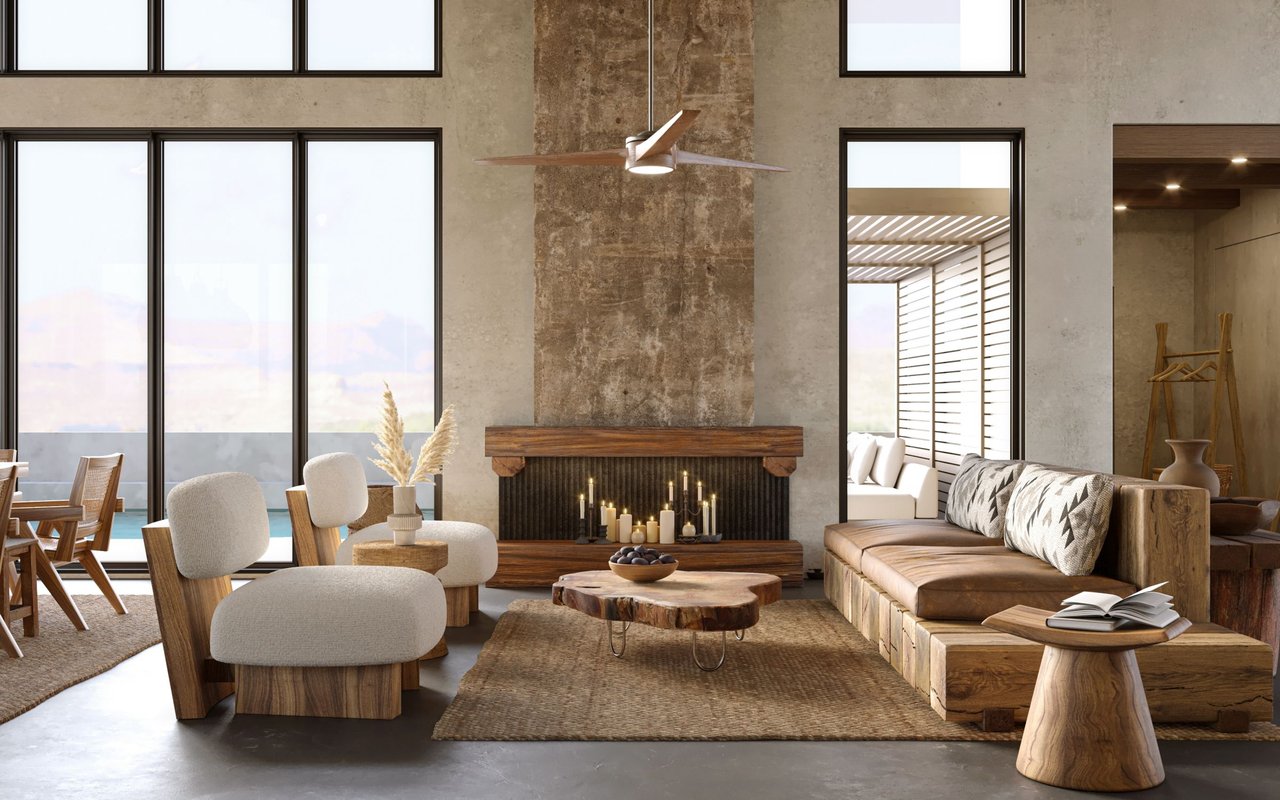
Adobe and flat-roof details need steady care. Moisture management is critical, including parapet flashing, roof drainage, and exterior plaster upkeep. Fireplaces and kivas are common and add ambiance, but they require regular inspection and adherence to local rules.
Preservation and design review
Much of the Historic Eastside is subject to local historic preservation review. Visible exterior changes, additions, roofline alterations, and certain solar placements often require approval. Expect a longer permitting timeline than a standard building permit, especially for work visible from the street.
Buying practicals
Inspection priorities
- Adobe and plaster: look for cracks, water intrusion, and sound repair history.
- Roof, parapets, drainage: flat-roof details and flashing are frequent failure points.
- Utilities and insulation: plan for potential upgrades to HVAC, electrical, and insulation.
- Chimneys and kivas: confirm safety, draft, and code compliance.
- Pests: check for termites or other regional issues.
Parking and access
- Confirm on-street parking rules and any permit requirements.
- Note driveway or garage availability, which can be limited.
- Ask if adding off-street parking is possible since it may trigger historic review.
Energy and solar
- Energy retrofits can improve comfort and reduce heating costs in older homes.
- Solar panels and rooftop equipment may be reviewed for visibility in historic zones.
- In some cases, ground-mounted systems may be an alternative where allowed.
Insurance and hazards
- Confirm insurance availability and any endorsements needed for older construction.
- Check local hazard maps for flood zones or slope considerations.
- Ask about buried infrastructure and any recent utility upgrades in the block.
Market context
In-town historic properties often command a higher price per square foot than outlying areas due to location and scarcity. Inventory can be tight, and competition tends to increase in the spring and summer. Allow extra time for inspections and any repair timelines that come with older homes.
Getting around
Local and regional transit
Santa Fe Trails bus routes serve the downtown and Railyard area for convenient trips without a car. The New Mexico Rail Runner connects Santa Fe to Albuquerque for regional travel. Seasonal shuttles may operate during major events.
Airports and travel
Albuquerque International Sunport is the main commercial airport for most travelers and is about an hour by car in normal conditions. Santa Fe Regional Airport offers limited commercial service that can vary over time. Many residents combine walking, biking, and short drives for daily needs.
Utilities and services
Most in-town properties are served by city water, sewer, trash, and recycling. Some older parcels may have different infrastructure histories, so confirm details during due diligence. This is part of understanding each home’s true operating costs and maintenance rhythm.
Life at 7,200 feet
The high-desert setting shapes your day. Sun intensity is stronger, and evenings tend to cool quickly, which makes outdoor patios comfortable for much of the year. You can hike local trails one day and drive to nearby ski terrain for a weekend run the next.
Is the Historic Eastside a fit for you
You may love it if you want
- A walkable lifestyle close to galleries, museums, and restaurants.
- Historic architecture that feels authentic and rooted in place.
- Patios, courtyards, and low-scale homes with privacy.
Know the tradeoffs
- Limited parking and narrow streets in many blocks.
- Tourist energy and occasional noise during major events.
- Maintenance and permitting that differ from newer neighborhoods.
What a realistic weekday looks like
- Morning: Walk to coffee, pass through the Plaza for an errand, and stop by the Railyard Farmers’ Market on its open days.
- Midday: Browse a gallery or visit a museum, then head home for lunch under a portal in the courtyard.
- Afternoon: Work session, then a quick hike or jog on an urban trail.
- Evening: Dinner downtown and a performance, or a quiet night by the kiva fire.
A quick buyer checklist
- Confirm historic district status, prior approvals, and any easements.
- Review roof and parapet details, drainage, and exterior plaster condition.
- Plan for mechanical and insulation upgrades where needed.
- Verify parking realities on site and on the street.
- Discuss solar and exterior changes with the local historic review office.
- Budget for ongoing maintenance that fits adobe and flat-roof construction.
If you want a life anchored by art, food, and fresh air, the Historic Eastside offers a rare blend of authenticity and access. A trusted local advisor can help you weigh the walkable perks against the practicalities like parking, maintenance, and preservation review. When you are ready to explore available homes and get clear on next steps, reach out to Leland Titus for guidance and a local game plan.
FAQs
How walkable is Santa Fe’s Historic Eastside for daily needs
- Very walkable for cultural life, dining, and many errands near the Plaza and Railyard, with added foot traffic and tighter parking during peak tourist seasons.
What maintenance is typical for adobe and flat-roof homes
- Expect regular attention to parapet flashing, roof drainage, and exterior plaster, plus routine inspections of fireplaces and kivas for safety and code compliance.
Do I need approval to change a historic home’s exterior
- In many cases yes, since visible exterior changes in the Historic District often require review and approval through local historic preservation processes.
Is parking difficult near the Plaza and Canyon Road
- Parking can be limited on narrow streets, especially on weekends and during major events, so plan for a mix of street parking and small off-street solutions where available.
Are modern upgrades like HVAC and insulation possible in historic homes
- Interior modernization is common and typically permitted, while visible exterior changes are more tightly controlled and may require historic review.
How competitive is the market for in-town historic properties
- Inventory is often limited and prices per square foot can be higher than outlying areas, with stronger competition in spring and summer months.