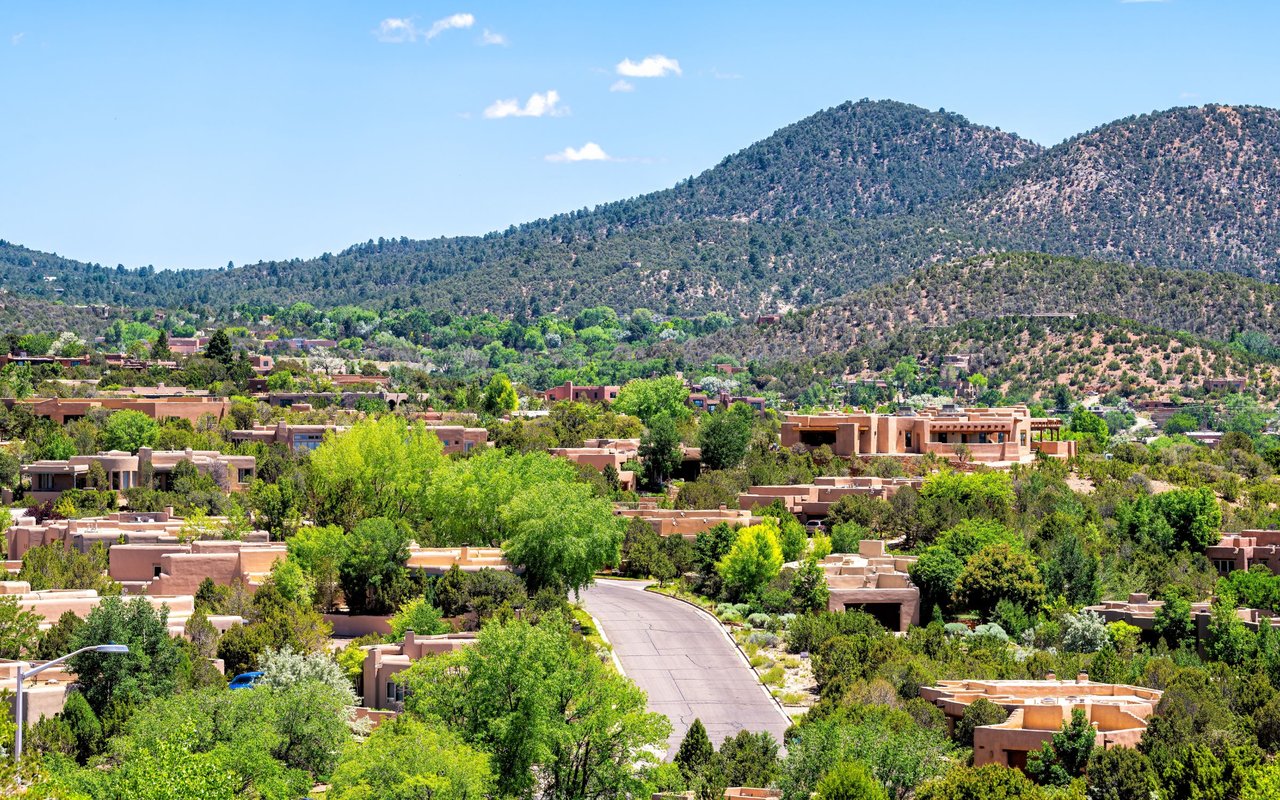
Is the perfect Santa Fe view worth it if the lot is hard to build on, risky in storms, or costly to service? If you are eyeing Los Cerros Colorados for its big-sky vistas and privacy, you are not alone. The right view lot can deliver a stunning lifestyle and strong resale, but exposed sites add complexity that you want to understand up front. This guide shows you how to evaluate a view lot in Cerros Colorados with confidence, from slope and soil to permits, utilities, wildfire, costs, and value. Let’s dive in.
What makes a great view lot
Orientation and view corridors
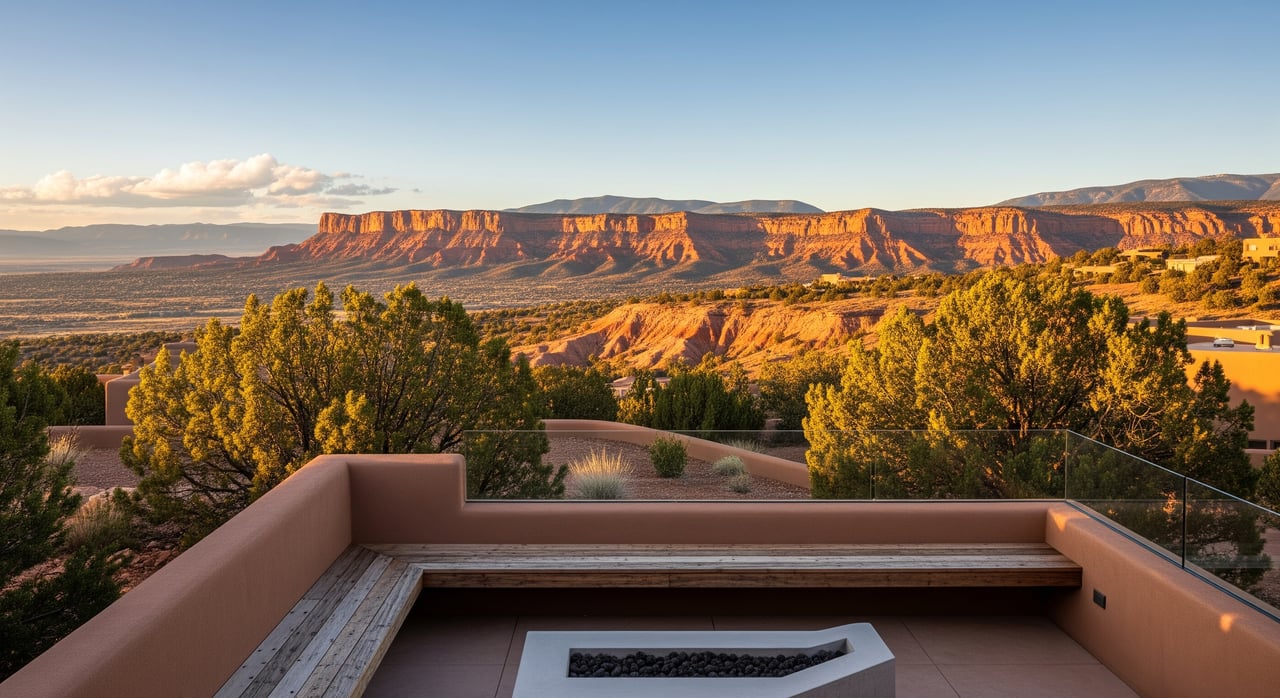
Start with the direction of the view. In Santa Fe, views often span the Sangre de Cristo range, Ortiz ridgelines, and valley panoramas. Identify the primary view axis and whether foliage or seasonal factors could partially screen it. Then check nearby parcels to judge whether future construction could block your sightlines.
Ask your agent to review zoning on surrounding lots and whether any scenic or view protections apply. A wide, permanent view usually commands a premium. A narrower or uncertain corridor may be fine if it pairs with more shelter and privacy.
Topography and buildability
Slope is a major driver of build cost and design. Gentle slopes simplify grading and foundation work. Steeper sites can require stepped or piered foundations, more cut and fill, and retaining walls. That adds engineering, permitting, and time.
Walk the building area and consider how you would place the home to capture the view while maintaining access and outdoor living. A dramatic perch is appealing, but a slightly lower bench may balance view quality with easier construction.
Driveway length and access
Driveways on sloped terrain need careful planning. Check turning radius, grade, and a practical route for construction equipment. Long or steep driveways can increase cost, require additional drainage control, and affect daily use in winter.
Confirm right-of-way and any road maintenance agreements. If the road is private, clarify who pays for upkeep and snow removal.
Sun, wind, and microclimate
Cerros Colorados sits in the high desert at around 7,000 feet. Expect strong sun, colder nights, and seasonal snow. Elevated lots are often windier. Orientation matters for passive solar gain, window placement, and outdoor comfort.
Position living areas to enjoy morning or evening light as you prefer. Plan sheltered outdoor zones where you can escape prevailing winds while keeping the view.
Ground conditions and drainage
Soils and geology
Subsurface conditions vary across the Santa Fe area. Some sites have shallow bedrock. Others have loose colluvium or fill that needs special attention. A site-specific geotechnical investigation early in escrow is one of the best investments you can make.
A geotech report evaluates bearing capacity, frost depth, slope stability, and foundation recommendations. It helps avoid surprises and guides your architect and engineer.
Drainage, arroyos, and erosion
Arid regions can produce intense storms that move fast. Sloped view lots may channel runoff toward neighbors or roads. Map natural drainage paths and any nearby arroyos. Check federal flood maps and local floodplain rules to understand setbacks and limitations.
Plan for grading that keeps water away from the house and driveway. Erosion control is critical during construction and often required for permits.
Vegetation and wildfire risk
Many Cerros Colorados parcels feature piñon-juniper, native grasses, and scrub. Vegetation type and density affect wildfire exposure. In wildland-urban interface areas, you will likely need defensible space, ember-resistant design, and specific landscaping choices.
A local wildfire risk assessment can clarify your mitigation steps. Expect to coordinate with the local fire department or Firewise resources and integrate fire-safe materials into your plan.
Rules, permits, and utilities
Zoning, setbacks, and height
Confirm whether your lot is in county or city jurisdiction. Zoning dictates use, setbacks, lot coverage, and building heights. These standards affect where you can place the home and how you protect view corridors for you and your neighbors.
Ask about any scenic or view-overlay guidelines that could shape design. This is also the time to study adjacent zoning to judge the permanence of your view.
HOA covenants and architectural controls
If your parcel is in a subdivision with CC&Rs, get those documents early. Many Santa Fe communities have architectural review boards that set exterior materials, roof profiles, colors, lighting, fencing, and landscape rules. Some also specify fire mitigation and native planting standards.
These controls can support a cohesive look and help preserve views and land stewardship, but they may influence cost and timing.
Septic, well, and municipal services
Not every view lot has municipal water and sewer. If the lot requires a well, you will go through the state well-permitting process. If the lot needs onsite wastewater treatment, a perc test or soil analysis is usually required to size and locate the septic system.
Confirm electrical availability and capacity. Natural gas is not universal in the Santa Fe area, so plan for propane or all-electric systems if needed. Extending utilities or burying lines can be a major line item.
Driveway, access, and easements
Verify legal access to the building site and any easements that cross the parcel. Utility, drainage, or road easements can limit placement of the house, driveway, or septic field.
If a retaining wall will exceed local height thresholds, expect engineered plans and a permit. Significant grading often requires its own permit.
Environmental and cultural constraints
Some parcels may sit near sensitive habitats or cultural resources. In those cases, you may need additional review or to avoid certain areas on the site. Check floodplain or arroyo setbacks and follow local rules where applicable.
A careful upfront review helps you design around constraints rather than redesign later.
Costs, timing, and insurance
Site prep and foundation costs
Complex grading, cut and fill, retaining walls, and engineered foundations are common cost drivers on view lots. Access constraints can also increase labor and delivery expenses. Budget for erosion control during and after construction.
Ask your contractor to price scenarios for alternate building pads or driveway routes. A small siting change can save real money.
Utilities, septic, and well
If you need a new well or a septic system, factor in permits, tests, and installation. Extending electrical service or adding underground conduits can be expensive and time consuming. These items also affect your construction timeline.
Request written utility estimates before you remove contingencies. Small surprises multiply on hillside builds.
Fire hardening and defensible space
Insurance and lenders are paying close attention to wildfire exposure in WUI areas. You may need fire-resistant roofing and siding, ember controls, and tree clearing or spacing. Access improvements that allow firefighting vehicles to reach the site can also be required.
Build these items into your budget and schedule so they do not derail closing or occupancy.
Seasonal timing and financing
At high elevation, winter can compress the building season. Lead times for permits, geotechnical work, septic approvals, and utility extensions can add months before you start vertical construction. Plan your purchase and build sequence with realistic timelines.
Some lenders treat raw land and steep or complex lots conservatively. Confirm that the lot will qualify as buildable with clear access and insurable risk before you commit to a construction loan.
Market value and resale
View premiums and permanence
Views typically increase value in Cerros Colorados. The premium depends on quality, orientation, privacy, and the likelihood that a future structure could limit the view. Proximity to services, road quality, and utility availability also matter for pricing.
If two lots appear similar, the one with a wider, more permanent corridor and easier build path usually wins on value.
Comps and appraisals
Appraisers compare your lot with recent sales of similar orientation, size, slope, and access. On a hillside, an accurate read of build cost differentials is just as important as the view itself.
Ask your agent for the most recent view-lot sales in the Santa Fe area and how slope and utilities adjusted those sale prices. Local comps are essential for a realistic offer strategy.
Resale risks to watch
Key risks include future development that narrows your view, higher maintenance obligations on private roads, and changing wildfire or insurance conditions. Clarify HOA fees, road agreements, and any special assessments early.
A complete due diligence file is a strong resale asset. It gives future buyers confidence in the site.
Step-by-step due diligence plan
Use this checklist before you buy or early in escrow:
- Document review
- Parcel map, legal description, and assessor records
- Preliminary title report with easements and encumbrances
- HOA CC&Rs and architectural guidelines, if applicable
- Surveys
- Boundary and topographic survey showing easements and existing improvements
- Identify potential building pads, driveway alignments, and septic areas
- Geotechnical investigation
- Soils, bearing capacity, frost depth, and slope stability
- Foundation and retaining recommendations
- Drainage and flood review
- Check FEMA flood maps and local floodplain or arroyo setbacks
- Map natural drainage paths to avoid downstream impacts
- Wastewater and water supply
- Perc test or onsite wastewater evaluation if septic is needed
- Well data or confirmation of municipal water availability
- Utilities and telecom
- Verify electrical service and capacity at or near the lot line
- Confirm natural gas availability, or plan for propane or electric
- Confirm internet and phone options
- Access and roads
- Verify legal access, road maintenance responsibilities, and any agreements
- Evaluate driveway grade, turning radius, and winter performance
- Wildfire and vegetation
- Wildfire risk assessment and defensible-space plan
- Confirm any fire department requirements for access or mitigation
- Environmental and cultural resources
- If near sensitive areas, consult appropriate agencies for guidance
- Identify any development constraints early to avoid redesign
- Market and financing
- Request local view-lot comps and build-cost inputs for pricing
- Discuss insurance and construction financing with local providers
Local resources to consult
- Santa Fe County Assessor, Growth Management, and Building departments for zoning, permits, parcel maps, roads, and floodplain information
- City of Santa Fe for city zoning and utilities if the parcel is within city limits
- FEMA Flood Map Service Center for floodplain determinations
- New Mexico Office of the State Engineer for well permitting and water rights information
- New Mexico Environment Department for onsite wastewater guidance
- U.S. Geological Survey for regional geology and slope or soil context
- Local fire department and New Mexico Firewise or NM Forestry Division for wildfire and defensible-space guidance
- Santa Fe County assessor and clerk offices for plats, recorded easements, and road agreements
- Local MLS data and experienced Santa Fe brokers for comparable sales and market trends
How we help in Cerros Colorados
A view lot in Cerros Colorados can be a standout investment and a joy to live on when you plan it right. The same features that deliver a breathtaking panorama can add slope, drainage, wildfire, and utility challenges that you want to solve early. When you pair clear due diligence with local expertise, you can secure the view you want without taking on avoidable risk.
If you are considering a Cerros Colorados lot, we can help you gather the right reports, review HOA and zoning, and assemble a local team to design and build with confidence. For a thoughtful plan and current market comps, reach out to Leland Titus.
FAQs
What is a view lot in Cerros Colorados?
- A parcel positioned for mountain or valley vistas in Santa Fe’s high desert, often on sloped terrain with exposure to sun, wind, and the need for careful siting and drainage.
How steep is too steep for building on a view lot?
- Steep sites are buildable but cost more due to engineered foundations, retaining walls, and grading; a geotechnical report and civil design clarify feasibility and budget.
Do I need a geotechnical report for a Santa Fe view lot?
- Yes, a site-specific geotech investigation is strongly recommended to evaluate soils, frost depth, and slope stability, and to guide foundations and retaining systems.
Who maintains private roads serving Cerros Colorados lots?
- Maintenance varies; confirm road ownership, maintenance agreements, and any HOA or shared-cost obligations before you buy.
Will wildfire risk affect my insurance in Santa Fe?
- It can; insurers and lenders often require defensible space and fire-resistant materials in wildland-urban interface areas, which can affect premiums and approvals.