Are you weighing a long-term rental purchase in Rancho Viejo but want a clear, practical answer before you move forward? You want stable demand, predictable numbers, and clean rules that protect your investment. In this guide, you will learn what drives year-round rental demand around Rancho Viejo, how HOA rules and local laws affect rentals, what costs to expect, and how to run the numbers with confidence. Let’s dive in.
Rancho Viejo at a glance
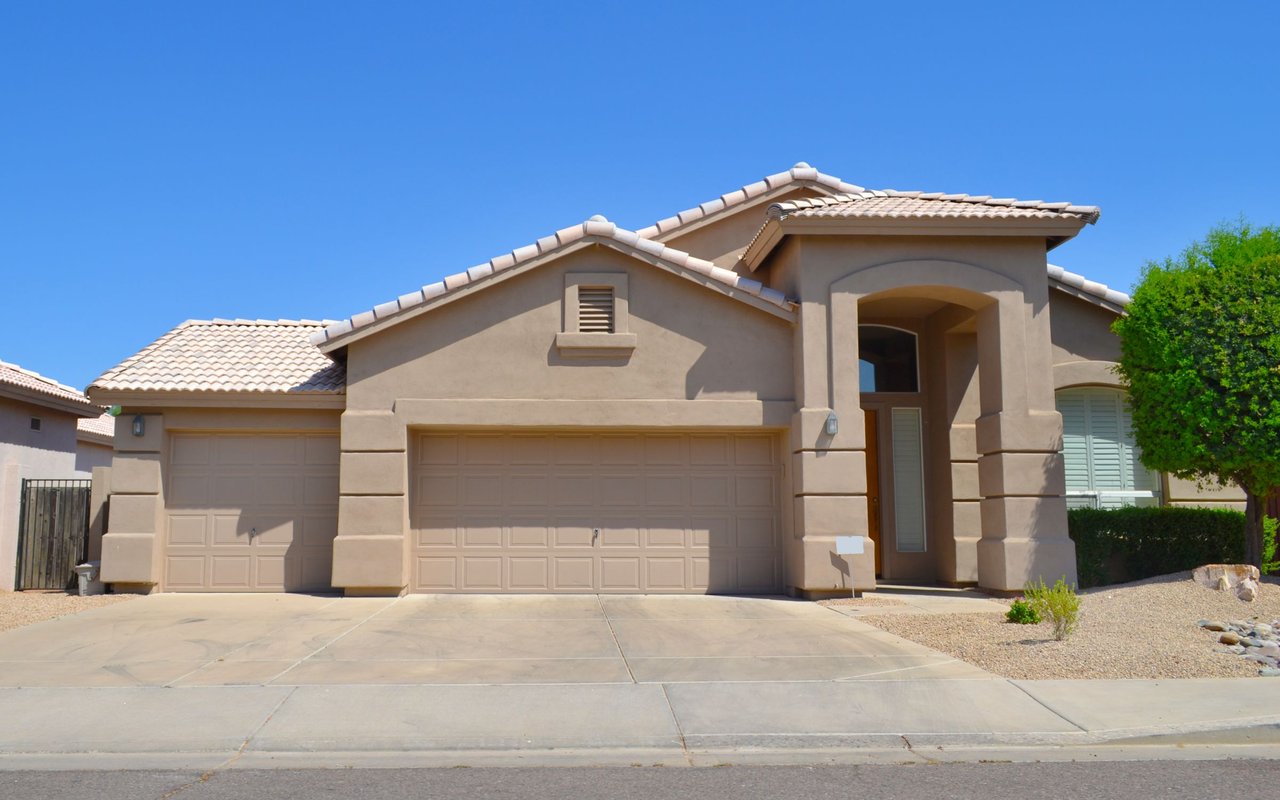
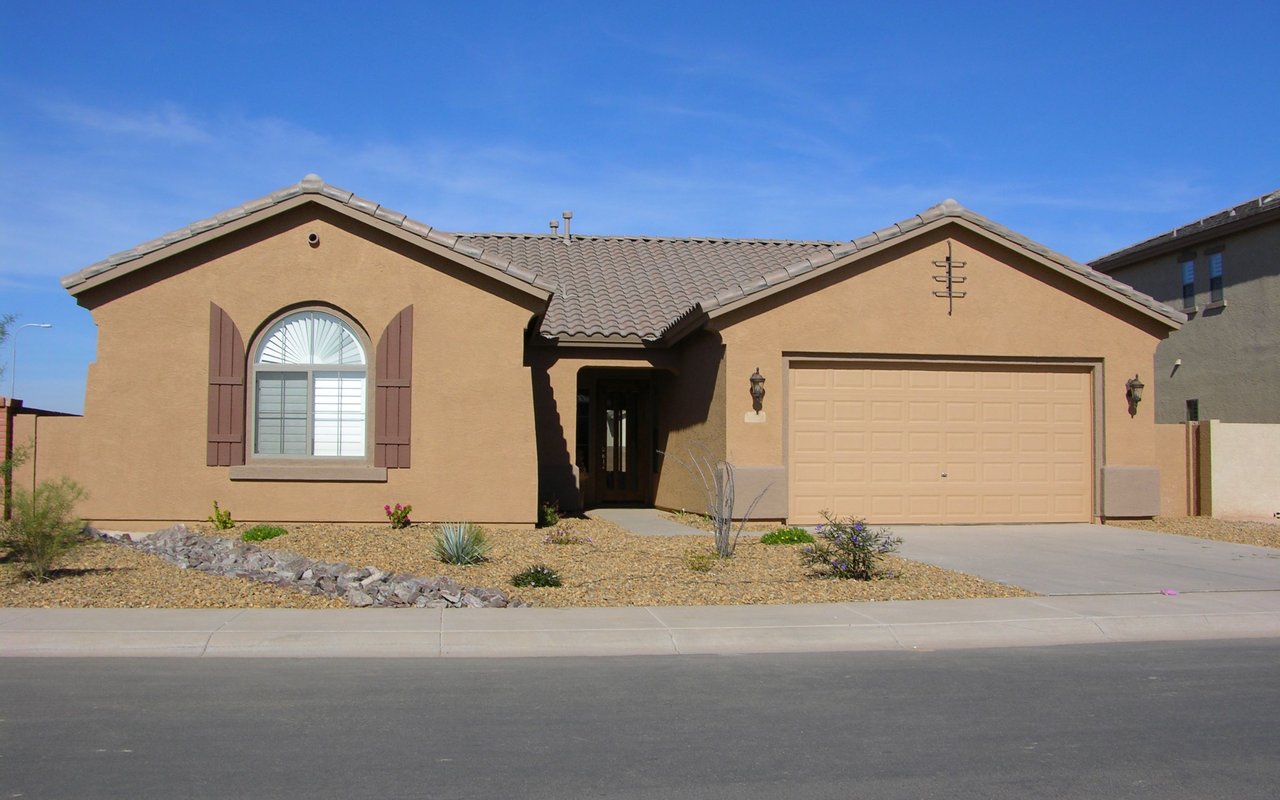
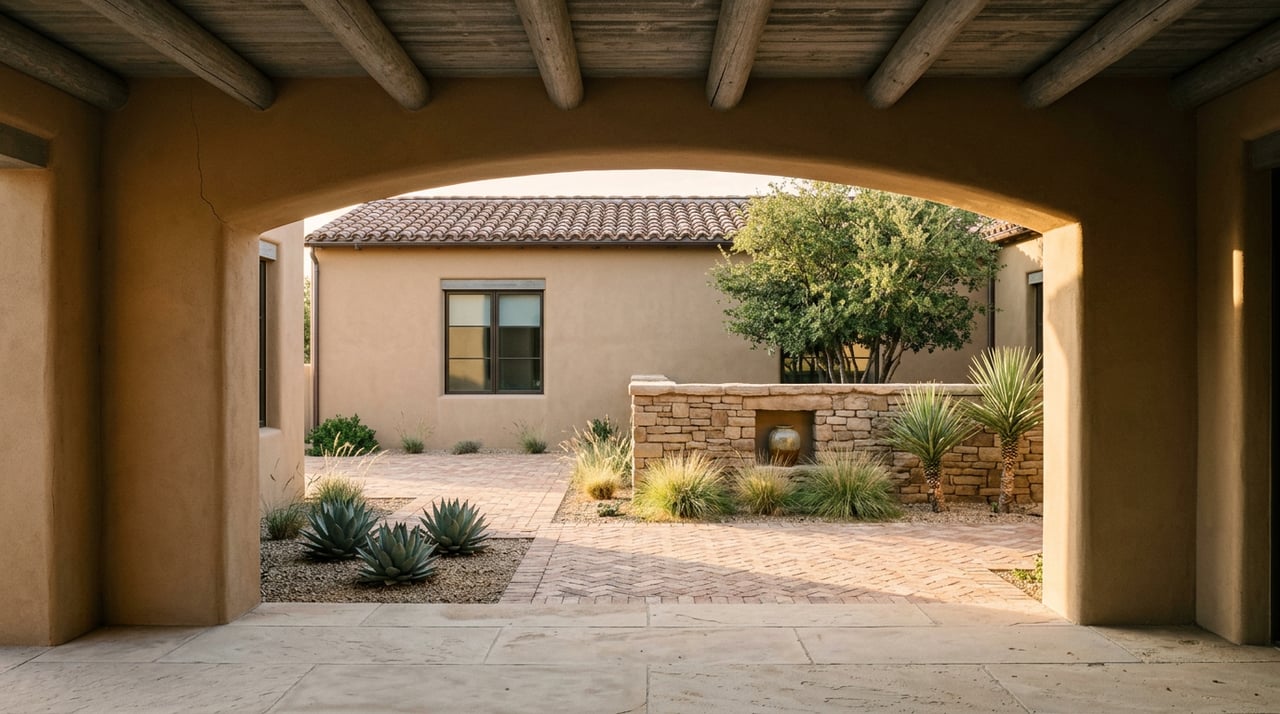
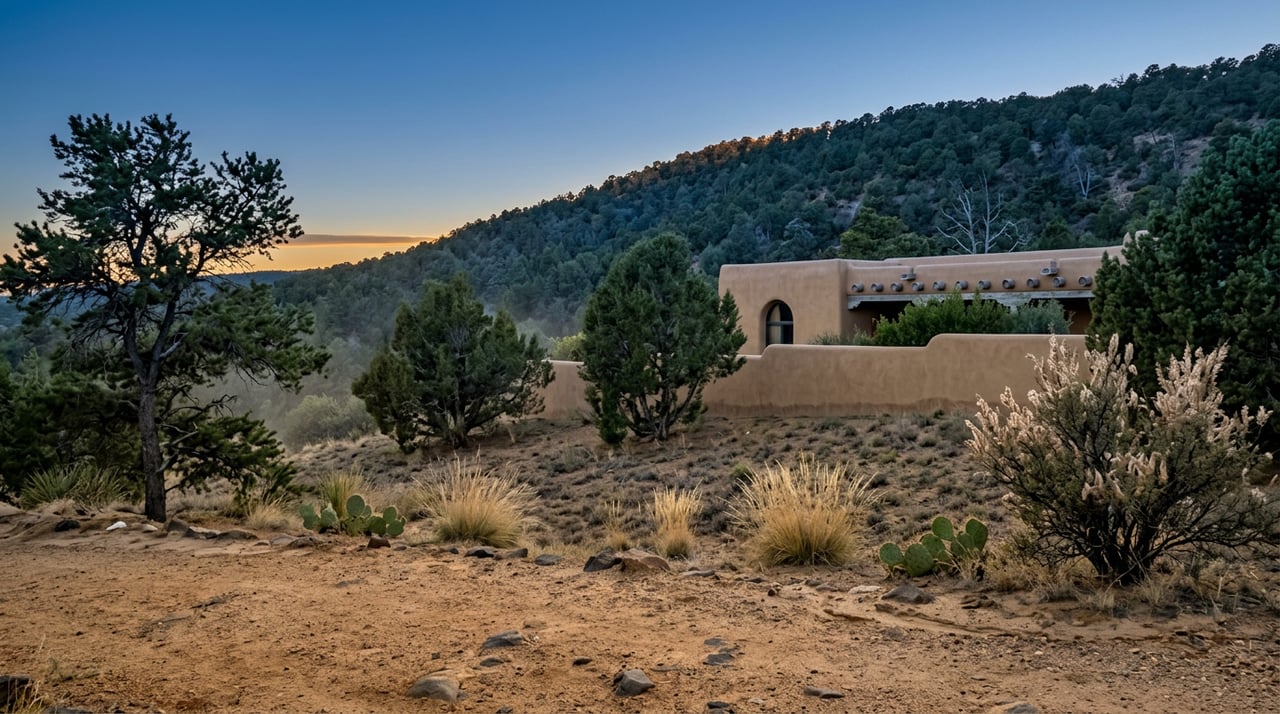
Rancho Viejo is a planned neighborhood area in Santa Fe County that includes multiple subdivisions and homeowner associations. The housing mix often centers on single-family homes, with design styles common to Santa Fe such as stucco finishes. Because neighborhood names can be used informally, verify any property’s exact location, parcel data, and HOA inclusion through Santa Fe County GIS and assessor records before you cite figures or finalize an offer.
HOAs and CC&Rs can affect leasing. Some Rancho Viejo subdivisions may require registration, minimum lease terms, or approval before renting. Review the specific HOA documents for any property you are considering so you understand fees, lease rules, and any restrictions that apply to long-term tenants.
What drives rental demand near Rancho Viejo
Santa Fe’s year-round economy helps support long-term rental demand. Key employment bases include healthcare, government, education, arts and culture, construction, and tourism-support roles. These employers draw a steady workforce with ongoing housing needs, not just seasonal spikes.
The local renter mix is diverse. You will find retirees, remote workers, service and hospitality workers, and some students. Each group looks for different unit sizes and features, from two to three-bedroom homes with parking for families to efficient layouts with high-speed internet for professionals.
Short-term rental rules in the city and county can also shift supply. When short-term rentals face new limits or stricter enforcement, some owners return units to the long-term market. That can reduce vacancy and keep long-term demand resilient in neighborhoods like Rancho Viejo.
Who rents in Rancho Viejo
Understanding your target tenant can keep your marketing focused and your vacancy lower:
- Family tenants: Often seek 2 to 3-plus bedroom homes, yards or nearby open space, and off-street parking.
- Professionals and remote workers: Value reliable high-speed internet, dedicated workspaces, and reasonable commutes to employment centers.
- Service and tourism workers: Prioritize affordability, functional layouts, and access to major corridors or transit.
Match your property features to the tenant type you want to attract, then price and market accordingly.
How to price rent and watch vacancy
Set asking rent using active rental comps for Rancho Viejo and nearby Santa Fe neighborhoods. Pull multiple data points by bedroom count and condition from local MLS rental feeds and experienced property managers. National listing aggregators and rent indices can provide city-level context, but your best pricing comes from local comps that match your property’s size, finishes, and amenities.
Vacancy varies by submarket and season. Single-family rentals often see lower turnover than small multifamily units, but proximity to stable employers and the property’s condition matter. Ask local property managers about current days-on-market and typical lease-up times for homes like yours.
Property types and operating costs to expect
In and around Rancho Viejo, single-family homes are common long-term rentals. Age and construction type influence your budget. Older Santa Fe homes may require more exterior and roof maintenance, while newer builds can offer lower operating costs and better energy performance.
Plan for these operating costs when you underwrite a property:
- Property taxes and HOA dues
- Insurance, including wildfire and wind coverage where applicable
- Utilities you plan to cover, especially winter heating
- Routine maintenance and capital reserves for roofs, stucco, and systems
- Optional property management fees if you hire a professional (often a monthly percentage, plus a leasing fee)
Tenants in Santa Fe value reliable heating, good insulation, and energy-efficient features. Simple upgrades, like programmable thermostats or improved weather sealing, can reduce turnover and help justify your rent.
Rules and compliance to know
Before you rent, understand the legal environment so you stay compliant and avoid surprises:
- New Mexico landlord-tenant law: Know rules for deposits, notices, habitability standards, and eviction procedures.
- Short-term vs. long-term rentals: The City of Santa Fe and Santa Fe County regulate short-term rentals. Changes to STR rules can shift demand for 30-plus day rentals. Confirm how rules apply to your address and HOA.
- Rental registration or licensing: Check if any registration, inspection, or business licensing applies to your long-term rental in your specific jurisdiction.
- Fair housing: Follow federal and New Mexico fair housing protections in all advertising, screening, and leasing.
- Taxes: Budget for Santa Fe County property taxes and understand how gross receipts tax may apply to property management fees. Consult a tax professional for your personal situation.
Always verify address-level details with city or county officials, HOA managers, and local counsel before you list a property for lease.
Run the numbers with confidence
A simple, consistent underwriting process helps you compare properties and avoid surprises. Start with three core metrics you can calculate on a single page:
- Gross Rent Multiplier (GRM) = Purchase Price ÷ Annual Gross Rent
- Capitalization Rate (Cap Rate) = Net Operating Income ÷ Purchase Price
- Cash-on-Cash Return = Annual Pre-Tax Cash Flow ÷ Cash Invested
Example, for illustration only:
- Assumptions: Purchase price 540,000; monthly rent 3,200; vacancy allowance 5 percent of rent; operating expenses 35 percent of gross rent including taxes, insurance, HOA, routine maintenance, and management; down payment and closing costs total 120,000; annual debt service 24,000.
- Annual Gross Rent: 3,200 x 12 = 38,400
- Vacancy Allowance: 38,400 x 0.05 = 1,920
- Effective Gross Income: 38,400 - 1,920 = 36,480
- Operating Expenses: 38,400 x 0.35 = 13,440
- Net Operating Income (NOI): 36,480 - 13,440 = 23,040
- Cap Rate: 23,040 ÷ 540,000 ≈ 4.27 percent
- Annual Pre-Tax Cash Flow: NOI 23,040 - Debt Service 24,000 = -960
- Cash-on-Cash Return: -960 ÷ 120,000 = -0.8 percent
In this example, the deal almost breaks even before taxes and depreciation. You could improve returns by negotiating price, increasing rent with market support, reducing expenses, or choosing a different property. Stress-test your assumptions for higher vacancy, higher maintenance, and regulatory changes.
Pros and cons specific to Rancho Viejo
Every neighborhood has trade-offs. Here are the common ones investors evaluate for Rancho Viejo:
Pros
- Year-round demand tied to healthcare, government, education, and service employment
- Family-friendly single-family housing that aligns with long-term renter preferences
- Potentially fewer STR pressures in some subdivisions where HOA rules favor long-term leases
Cons
- HOA restrictions can limit lease terms or add costs and registration steps
- Maintenance costs for certain roof types and stucco exteriors can be higher than expected
- Regulatory shifts around STRs and broader economic changes can affect pricing and demand
- Insurance cost and availability can vary by property and hazard exposure
Due diligence checklist for investors and owners
Do this homework before you buy or convert a home to a long-term rental:
- Confirm the property is in Rancho Viejo using Santa Fe County GIS and assessor records.
- Obtain and read the HOA’s CC&Rs, rules, and fee schedules. Look for rental restrictions or registration requirements.
- Pull three to five active and recent leased comps by bedroom count and condition from local MLS and property managers.
- Ask a local property manager about current vacancy, time-to-lease, and tenant preferences for similar homes.
- Build a full pro forma with taxes, insurance, utilities, HOA dues, a maintenance reserve, and a vacancy allowance.
- Verify any city or county rental registration, inspection, or business licensing steps that apply to the property’s address.
- Review New Mexico landlord-tenant requirements and align your lease package with local norms.
- Price insurance with wildfire and wind considerations where applicable.
- Plan energy-efficiency tune-ups to improve comfort and reduce winter heating costs.
- Decide on self-management vs. hiring a local manager, and budget the fees if you outsource.
How we can help
You do not have to figure this out alone. With deep neighborhood knowledge and active market coverage across Santa Fe County, our team can help you source suitable properties, confirm HOA and compliance details, gather rental comps, and run the numbers so you buy with clarity. We can also connect you with trusted local property managers and legal resources when you need specialized support.
If you are exploring a long-term rental in Rancho Viejo or want to evaluate a current property, reach out to Leland Titus for local, data-informed guidance tailored to your goals.
FAQs
Is Rancho Viejo in Santa Fe a good place for long-term rentals?
- Rancho Viejo can be attractive due to steady local employment, a strong pool of single-family renters, and HOA-governed communities that often suit longer leases, but rules and returns vary by subdivision and property.
What tenant types are most common for Santa Fe long-term rentals?
- You will see families, healthcare and government workers, retirees, remote professionals, and service employees, each with distinct preferences for size, parking, and work-from-home features.
How do I estimate rent and vacancy for a Rancho Viejo home?
- Use recent MLS comps and input from local property managers for similar homes by bedroom count and condition; city-level indices help with trend context but local comps drive pricing.
Do HOAs in Rancho Viejo allow long-term rentals?
- Many subdivisions permit long-term rentals, but terms, registration, and fees vary. Always review CC&Rs and HOA rules for the specific address before you buy or lease.
Are there licensing or inspections for long-term rentals in Santa Fe County?
- Requirements can differ by jurisdiction and may change. Confirm address-level obligations for registration, inspections, or business licensing with the city or county before you market the property.
What are the key investor metrics for a Rancho Viejo rental?
- Start with GRM, Cap Rate, and Cash-on-Cash Return. Build a pro forma that includes vacancy and realistic operating costs like taxes, insurance, HOA dues, maintenance, and management.
Ready to explore your options or pressure-test your numbers for a Rancho Viejo rental? Connect with Leland Titus for a focused, neighborhood-first plan that fits your goals.