If you have ever imagined living where Santa Fe’s art scene meets everyday life, Canyon Road probably comes to mind. This is not just a gallery district. It is a historic corridor where homes, studios, offices, and public-facing spaces often exist side by side. If you are thinking about buying along Canyon Road in Santa Fe’s 87501 area, it helps to understand both the lifestyle appeal and the practical limits before you make a move. Let’s dive in.
Why Canyon Road feels different
Canyon Road stands apart because it still carries the feeling of an old neighborhood. According to Tourism Santa Fe’s Canyon Road overview, the street traces its roots to a 13th-century footpath and is now known as the city’s principal gallery corridor, with more than 100 galleries along a pedestrian-friendly half mile.
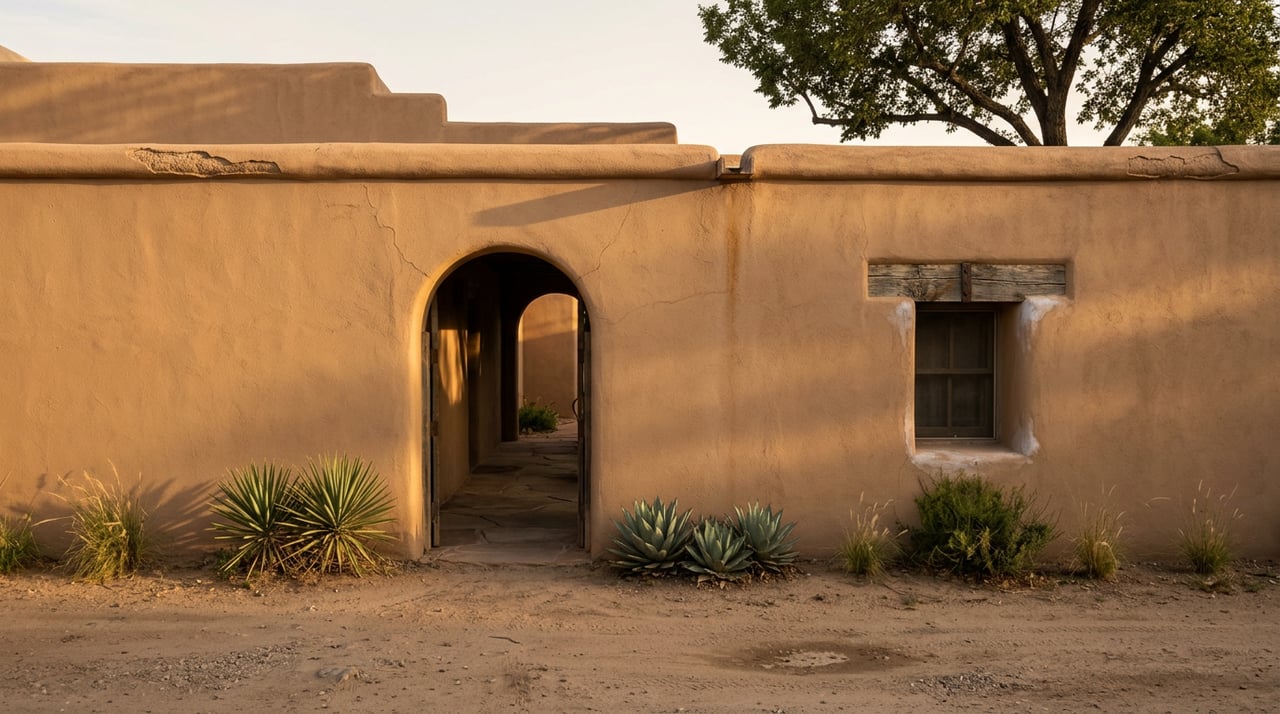
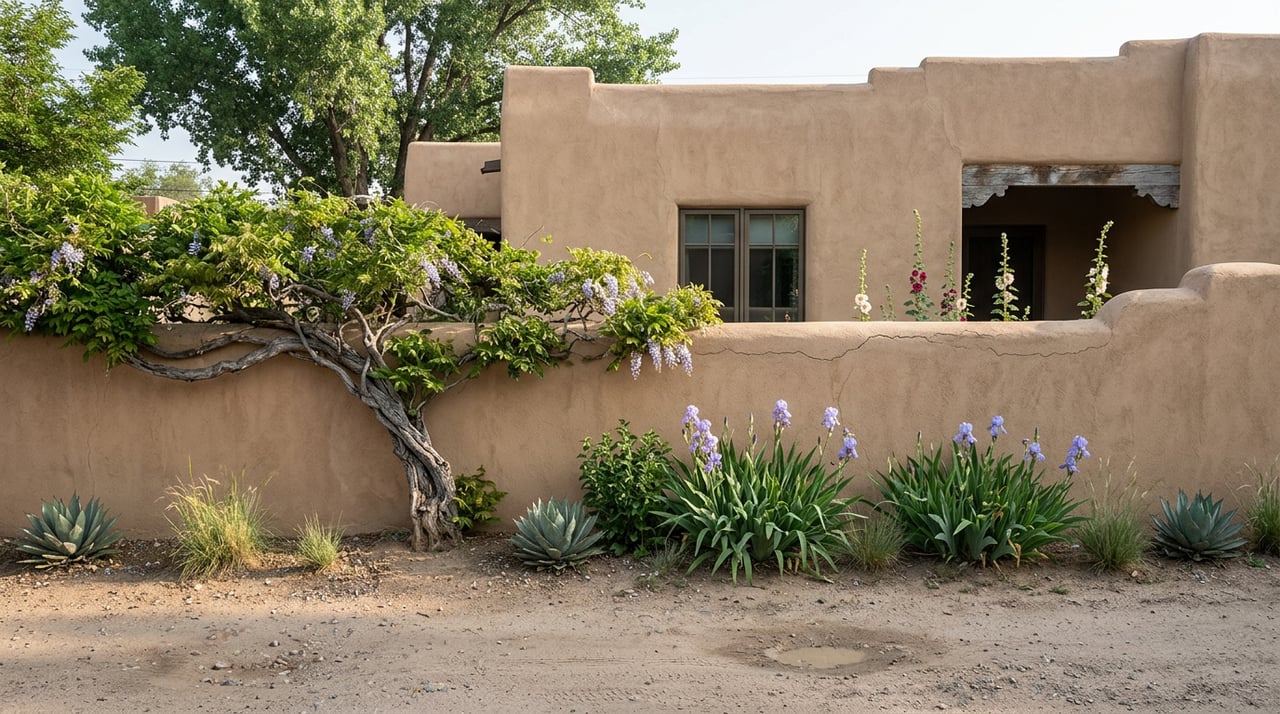
That history matters when you are looking at property here. Many of the adobe buildings along the corridor began as private homes and were later adapted for galleries, studios, boutiques, cafes, and restaurants. As a result, buying on Canyon Road often means stepping into a property with layers of residential and working history rather than a newer, purpose-built live/work setup.
Living on Canyon Road day to day
The biggest draw is easy access to Santa Fe’s cultural life. You can be close to galleries, dining, and year-round activity in one of the city’s most recognized areas. For buyers who value walkability and a strong sense of place, that can be hard to match.
At the same time, daily life here comes with tradeoffs. Visitor activity is part of the normal rhythm, especially during seasonal events like the Christmas Eve Farolito Walk, when nearby streets close to vehicle traffic and parking. If you work from home or plan to welcome clients, those patterns are important to factor into your plans.
Parking is another practical piece of the puzzle. The City of Santa Fe parking page explains that residential parking permit neighborhoods exist, and eligibility is tied to proof of residency and current vehicle registration. That means parking and access should be reviewed property by property, not assumed based on the area alone.
What homes are typically like
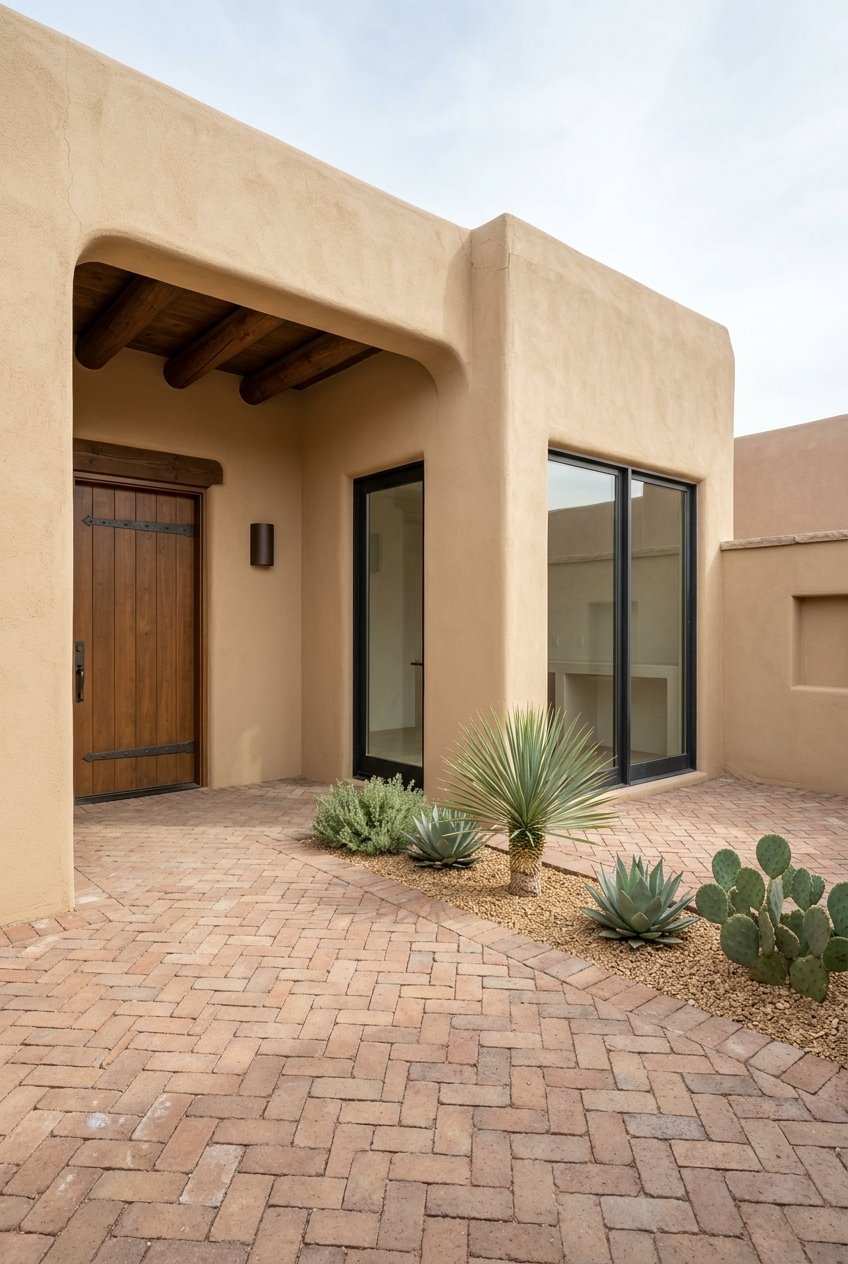
Most Canyon Road properties reflect the area’s historic residential fabric. You are more likely to see adobe homes that were updated, expanded, or adapted over time than brand-new buildings designed specifically for modern live/work use.
Examples from the Historic Santa Fe Foundation help illustrate that pattern. The Irene von Horvath House is described as an old adobe home that was refurbished and extended, while El Zaguán and the Edwin Brooks House show how historic properties in this area have supported a mix of residential, office, exhibit, apartment, and studio uses over time.
For many buyers, that means the most realistic setup is a historic residence with a permitted home occupation or a detached studio, not a fully commercial property in disguise. The charm is real, but so is the need for careful due diligence.
Live/work potential starts with the parcel
One of the most important things to know is that Canyon Road’s overall character does not determine what you can do with a specific property. The City of Santa Fe’s permitted use regulations make clear that allowed uses depend on the parcel’s exact zoning district, and uses not explicitly listed are generally prohibited unless they fit an existing use category.
In practical terms, that means you should never assume a house can support your studio, office, or client-facing business just because a nearby property appears to do something similar. Parcel-specific zoning review is essential. This is one of the biggest reasons buyers benefit from working with a local broker who understands how neighborhood character and city rules intersect.
Home occupation rules to understand
If you want to live and work in the same Canyon Road property, Santa Fe’s home occupation rules deserve close attention. The city’s Certificate of Occupancy inspection form for home-based businesses with clientele outlines several limits that often matter most.
Key points include:
- The business use must remain secondary to the dwelling.
- The city checks for outside changes in appearance.
- Business materials cannot be visibly stored.
- Commercial vehicles are not supposed to be parked on site or on the street.
- The work area cannot exceed 25% of the dwelling’s total gross floor area, including accessory buildings.
- Traffic, parking, and ADA issues may be reviewed if employees or clients will visit the property.
These rules can work well for some uses and create real limits for others. Lower-impact setups such as certain professional offices, educational uses, service establishments, or mail-and-phone-only work may fit more naturally within a home occupation framework, depending on the parcel and approval path.
When clients will visit the property
Client visits can change the review process in a meaningful way. The city’s doing business with the city page says a Certificate of Compliance is required before a business license can be issued for a new business, a location change, or a home-based business with customer or client visitation.
That same process can trigger practical questions about how people will arrive, where they will park, and whether the property can safely support the use. The city also notes that businesses must pass a fire safety inspection before business registration. If your vision includes appointments, lessons, consultations, or regular deliveries, those details should be part of your property search from the start.
Adding a detached studio
A detached studio can sound like the perfect Canyon Road solution, especially if you want to keep your living space separate from your work area. In concept, it may be possible, but it is not a simple assumption.
The city’s construction permit submittal checklists state that a studio, guesthouse, or similar accessory building may require a restrictive covenant or affidavit acknowledging use restrictions. That means a backyard studio may involve more paperwork, more review, and more limits than buyers expect at first glance.
Historic review matters here
Because Canyon Road sits within Santa Fe’s historic fabric, exterior changes can be especially sensitive. The city’s Historic Preservation Division oversees modifications in Santa Fe’s historic districts, and some projects may require review by the Historic Districts Review Board.
This matters even for changes that seem minor. Signs in historic districts must comply with historic sign standards, and the review framework is designed to preserve harmony of style, form, color, height, proportion, texture, and material. If you are considering signage, façade changes, window updates, or other visible modifications, you should expect review to be part of the process.
Best fit for Canyon Road buyers
Canyon Road tends to reward buyers who want a historic Santa Fe home with a carefully planned work component. It can be a strong fit if you value art, walkability, architecture, and a location with everyday energy.
It may be especially appealing if your work use is modest in scale and can remain secondary to the home. Think in terms of a permitted office, studio, or low-impact professional use rather than assuming broad commercial flexibility.
On the other hand, if your business depends on higher traffic, easy parking, visible storage, exterior branding, or a larger share of the home devoted to work, Canyon Road may require more compromises than you want. In that case, the right question is not whether the location is beautiful. It is whether the parcel truly supports the way you plan to live and work.
Smart due diligence before you buy
Before you purchase on Canyon Road, focus on a few key questions:
- What is the parcel’s exact zoning, and does your intended use fit it?
- Is the property in a historic district, and what exterior changes may require review?
- How does parking work for residents, guests, and possible clients?
- If you want a home occupation, can your use meet the city’s size and operational limits?
- If you want a detached studio, what permits, affidavits, or restrictions apply?
These are the kinds of details that can shape whether a property feels effortless or frustrating after closing. A smart purchase here is usually less about finding the most dramatic space and more about matching the property to your actual day-to-day use.
If you are exploring homes near Canyon Road and want clear, local guidance on what to watch for, Leland Titus can help you look beyond the charm and focus on the details that matter most for your goals.
FAQs
What is daily life like on Canyon Road in Santa Fe?
- Canyon Road offers walkable access to galleries, dining, and cultural activity, but it also comes with periodic visitor traffic, event-related street closures, and parcel-specific parking considerations.
Can you run a business from a home on Canyon Road?
- Possibly, but it depends on the property’s exact zoning and whether the intended use qualifies under Santa Fe’s home occupation rules.
Do Canyon Road properties allow client visits for a home business?
- Client visits may be possible, but they can require a Certificate of Compliance, inspection review, and evaluation of parking, traffic, ADA, and fire safety issues.
Can you add a detached studio to a Canyon Road property?
- In some cases, yes, but accessory studios may require permits, affidavits, or restrictive covenants, so buyers should verify the path before assuming it is allowed.
Are exterior changes easier on Canyon Road because many buildings already serve public uses?
- No, exterior work can still be subject to historic preservation review, and even signs in historic districts must meet city standards.
What type of buyer is Canyon Road best for?
- Canyon Road is often best for buyers who want a historic home, a strong sense of place, and a small-scale permitted work use that fits within the property’s zoning and historic context.