Planning exterior work on Santa Fe’s Historic Eastside can feel confusing. You want to protect your home’s character and value, but you also want to avoid stop‑work orders or costly do‑overs. The good news is that a little planning goes a long way. In this guide, you’ll learn which projects usually need permits or historic review, how the process works, and the practical steps that keep your timeline on track. Let’s dive in.
Start with jurisdiction and historic status
Before you sketch a plan or call a contractor, confirm two things: your jurisdiction and your historic status.
- Determine whether your property is inside the City of Santa Fe or in unincorporated Santa Fe County. The City and County have different offices, codes, and procedures.
- Find out if your property sits within a local historic district or is individually designated. Many Eastside homes are subject to design review. Words to look for include contributing, district, certificate of appropriateness, and design review.
- If your property is in a historic area or visible from a public right‑of‑way, exterior changes are more likely to need historic approval.
Knowing this upfront helps you aim for the right applications and avoid surprises later.
Stucco and exterior plaster: what to know
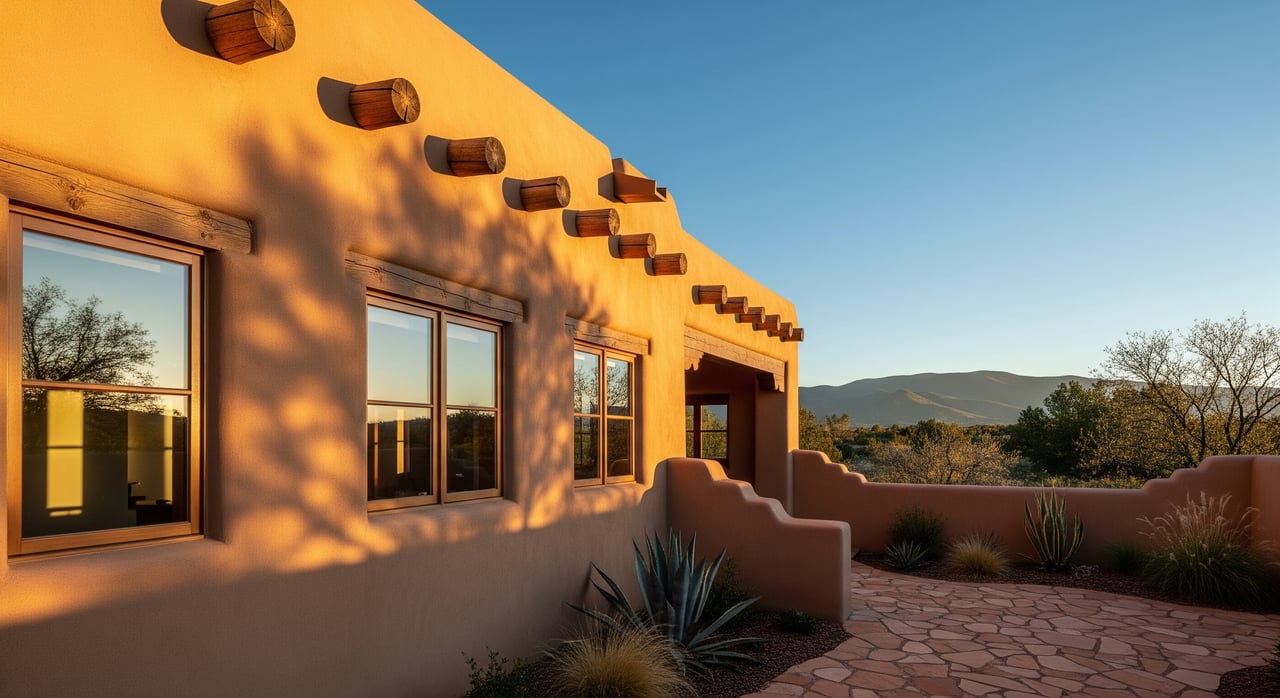
Historic adobe and Santa Fe’s traditional finishes are a big part of the Eastside’s charm. They also come with added care.
When stucco needs a permit
- Full re‑stucco where you remove and reapply layers usually requires a building permit, since lath, weather barriers, flashings, and attachments are involved.
- Structural repairs to exterior walls typically need a permit.
- Small patching and cosmetic touch‑ups may not need a permit if they are truly minor and like‑for‑like. Still, check with the building office and keep documentation.
When stucco needs historic review
If your home is in a local historic district or individually designated, visible exterior changes often need historic approval. This can include:
- Changes to material, color, or texture.
- Alterations that affect the wall plane or add new penetrations, like vents.
- Use of modern systems that significantly change the look.
Historic guidance in Santa Fe often emphasizes traditional earthen or lime‑based finishes, compatible textures, and natural pigments. Synthetic systems or smooth acrylic finishes that shift the historic look can be rejected.
Technical tips that prevent rework
- Be cautious with cement over adobe. Portland cement–rich stucco can trap moisture and accelerate erosion on historic adobe. Many preservation programs discourage this approach.
- Treat color and texture as character‑defining. Plan to submit samples or a small mockup area if staff request it.
- If you need to add mechanical penetrations, confirm placement and visibility in advance. These can trigger additional review.
Window and door replacement: repair first, match profiles if you replace
Windows and doors shape a home’s historic character. On the Eastside, you’ll want to balance energy goals with preservation standards.
When windows and doors need a permit
- Altering structural openings, such as changing window size or working on headers, requires a building permit.
- Like‑for‑like replacements in the same openings may have an expedited path or a simple record, but you should still check local requirements.
When windows and doors need historic review
In historic districts, visible replacement almost always requires review. The focus is on how the change affects what people see from the street.
- Matching muntin patterns, glazing proportions, profiles, and trim details is critical.
- Vinyl or factory‑finished aluminum that fails to match historic wood proportions and sightlines is commonly discouraged.
- Storm windows can be treated differently. Staff may accept historically compatible retrofit solutions that preserve the look.
How to improve your odds of approval
- Provide product data sheets, cross‑sections of frames and sills, and detailed elevations that show visible profiles.
- Include photos of existing conditions and a short narrative that explains compatibility.
- Expect staff to encourage repair of original wood windows where feasible. If replacement is necessary, aim to match visible profiles closely.
Yard walls and retaining walls: height and visibility matter
Walls are a hallmark of Santa Fe style, and they can also trigger permits and reviews.
When walls need a permit
- Freestanding walls over a certain height often require a building permit. Many places use thresholds around 4 to 6 feet, but you should verify with the City or County.
- Retaining walls can require permits and engineered plans if they exceed a specific height or support a surcharge. Confirm the threshold before you design.
- Any wall that affects the public right‑of‑way, sidewalks, drainage, or driveway sight lines will likely need review.
When walls need historic review
If visible from the street in a historic district, plan for design review. Staff will look at materials, height, coping, openings, gates, and how everything relates to portals and entries. Replacing a low adobe wall with a tall CMU wall plus stucco often triggers both building permits and historic approval.
Portals, porches, and roof work: character‑defining features
Portales, vigas, and rooflines define Santa Fe’s historic fabric. Treat these elements with care.
Permit triggers
- Structural additions or alterations, such as a new portal or replacing portal posts, require building permits and structural plans.
- Roof replacement commonly requires a permit, even if you only replace the covering.
Historic review triggers
- Changes to portal configurations, exposed beam details, or roof materials visible from the street usually require review.
- Switching to new roof materials can raise questions about color, reflectivity, and visibility. High‑gloss or bright finishes are often a problem on primary elevations.
Practical preservation guidance
- Replace traditional elements, such as vigas and corbels, with profiles that match. Mismatched details can lead to rework.
- If you want metal roofing, discuss placement and visibility early. Some districts limit metal on front elevations while allowing it on less visible sides.
How the approval process works
Expect two tracks for city properties: historic review and building permits. Some reviews are administrative and handled by staff. Others go to a board with set hearing dates.
Typical steps
- Confirm whether you are in the City or County, and whether you are in a historic district or individually designated.
- Request a pre‑application meeting with Historic Preservation staff and Building & Development Services. Bring photos and a brief scope.
- Prepare your application packet. Include a site plan, elevations, materials list, photographs, product data, contractor license, and a short narrative showing compatibility with local guidelines.
- Submit to Building & Development Services and Historic Preservation. When possible, submit simultaneously.
- Complete historic review. Staff may approve administratively or send your project to a board. Board meetings follow a published schedule and can require public notice.
- Once design approvals are in place, complete building plan review and receive your permit.
- Schedule inspections during construction and obtain final sign‑off at completion.
Expected timelines
- Pre‑application meeting: about 1 to 3 weeks to schedule.
- Administrative historic review: often 2 to 4 weeks.
- Historic board hearing: commonly 3 to 8 weeks to get on the agenda and receive a decision.
- Building plan review: roughly 2 to 6 weeks, depending on workload and completeness of your submittal.
Plan for about 4 to 12 weeks from pre‑submittal to permit in hand for straightforward projects. More complex or controversial work can take longer.
Fees and other costs
- Building permit fees vary by valuation and scope, and historic applications may add separate fees.
- Plan review and resubmittal fees can add up if you submit incomplete or changing plans.
- Unpermitted work can lead to penalties, required corrections, delays in final inspections, and title complications at sale.
Your pre‑construction checklist
Use this checklist to reduce risk and keep your project on schedule.
Before you hire or begin
- Verify jurisdiction and historic status. Get written confirmation when possible.
- Schedule a pre‑application discussion with Historic Preservation and Building & Development Services. Bring photos and a concise scope.
- Confirm contractor licensing and insurance. Contractors who pull permits must hold the proper New Mexico Construction Industries license.
- Review any HOA rules and recorded covenants that might affect your project.
Prepare your application materials
- Current site plan that shows property lines, setbacks, existing structures, and elevations of proposed work.
- Existing and proposed elevations with photos and measured drawings. Call out materials, colors, profiles, and dimensions.
- Product data sheets for windows, doors, roofing, stucco systems, and wall materials. Include cross‑sections for windows.
- Samples or color chips for stucco and roof finishes. Describe your stucco system, including layers and weather barrier.
- Structural details if you are changing openings, adding a portal, or building freestanding or retaining walls. Engineer’s stamp when required.
- Contractor license, business registration, and insurance certificate.
- Project narrative that explains compatibility with local historic guidelines. Historic photos, if available, can help.
Submission and follow‑through
- Submit to both Historic Preservation and Building & Development Services, ideally at the same time.
- Attend intake or pre‑application meetings and revise your plans per feedback before formal review.
- If you need a hearing, prepare notices to neighbors and be ready to explain how your design fits the district.
- Do not start visible exterior work until you have building permits and written historic approvals. Keep all documents on site.
During construction
- Keep a photo record before, during, and after.
- If conditions change, such as discovering rot or structural issues, pause and consult staff before proceeding. You may need to document changes.
- Respect approved mockups and samples, especially for stucco finish and color.
At completion
- Schedule final inspections and secure documented sign‑offs from both building and historic offices.
- Keep all permits and approvals. You will need them for resale, lending, or future work.
Common pitfalls that cause delays
A few avoidable mistakes account for many re‑do’s and denials:
- Using materials that are incompatible with historic fabric, such as cement over adobe, EIFS, or vinyl windows with different sightlines.
- Changing opening sizes or rooflines without structural approval and historic review.
- Building taller privacy or retaining walls without permits or engineered plans.
- Starting work early. Staff can require you to undo unapproved work.
- Submitting thin documentation without elevations, product data, or requested mockups.
- Hiring a contractor who lacks experience with Santa Fe’s historic and permitting requirements.
What “like‑for‑like” really means
Many homeowners assume that matching size or style means no permits. On the Eastside, that can be a costly assumption.
- Full re‑stucco and visible window replacements often require documentation or a permit, even if you keep the same size and look.
- In historic districts, staff still want to confirm that materials, profiles, and textures are compatible with local guidelines.
- Always get a written determination before you start. It is faster and far cheaper than a stop‑work order.
A practical game plan
If you take one thing from this guide, let it be this: start early and document well. Confirm your jurisdiction and historic status, meet with staff, and prepare a clear packet with drawings, photos, and product data. Choose materials and details that respect Santa Fe’s character, and work with licensed pros who know the process. You will save time, avoid rework, and protect your home’s value.
Ready for local guidance on your specific property and project timeline? Reach out for a quick conversation, and let’s put a clear plan in place.
Unknown Company can help you move from idea to approved plans with confidence. Search Homes.
FAQs
Do I need permits for re‑stucco on Santa Fe’s Eastside?
- Full re‑stucco and structural exterior wall repairs usually need building permits. Minor patching might not, but you should confirm with the building office and document like‑for‑like work. In historic districts, visible changes can also require historic approval.
Are vinyl windows allowed in Eastside historic districts?
- Vinyl windows that change sightlines, proportions, or muntin profiles are often discouraged. Staff typically prefer repair of historic wood windows or replacements that match visible profiles closely.
How tall can I build a yard wall without a permit in Santa Fe?
- Thresholds vary by jurisdiction. Many places require permits for walls around 4 to 6 feet or for retaining walls over certain heights or with surcharge. Verify the exact limit with the City or County before you design.
How long does historic review and permitting take in the City of Santa Fe?
- Plan for about 4 to 12 weeks for straightforward projects. Pre‑application meetings take about 1 to 3 weeks to schedule, administrative historic review is often 2 to 4 weeks, board hearings commonly add 3 to 8 weeks, and building plan review runs about 2 to 6 weeks.
What happens if work was done without permits on an Eastside property?
- You could face stop‑work orders, fines, required corrections, and delays in final inspections or title transfer at sale. It can also complicate lending and closings. Getting approvals up front is much less costly.