Thinking about selling your Tano Road home in 87506? You are working with a different playbook than an in-town listing. Buyers here care as much about land, views, and access as they do about finishes. When you confirm wells and septic, clarify permits, and present the acreage well, you reduce surprises and keep buyers confident. This guide gives you a clear, local checklist so you can move from first showing to closing with fewer delays. Let’s dive in.
Know the 87506 buyer
Tano Road attracts buyers who value privacy, views, and usable acreage. Many shop for equestrian potential, room for outbuildings, and second-home or luxury features. You win attention when you can show how the land lives, not just how the house looks. For a refresher on what acreage buyers ask about most, see this overview of area expectations on Tano Road from our local guide to acreage living. Here’s a helpful primer on buyer due diligence and acreage norms in the area.
Common buyer show-stoppers
- Unclear well status or weak documentation.
- Old or undocumented septic systems, especially if adding bedrooms is a goal.
- Outbuildings or conversions without permits or a certificate of occupancy.
- Complicated access or unclear road maintenance responsibilities.
- Wildfire risk with no visible defensible space work.
Your goal is to head these off before you list.
Prove water and wastewater early
Buyers of rural acreage expect clear proof that your water and wastewater systems support the home and any future plans. Missing documents can stall escrow or trigger price concessions. Do this work up front.
Well documentation sellers should gather
- State well permit number and Office of the State Engineer (OSE) file number.
- Driller’s log, pump depth, static water level, and any recent pump or production tests.
- For shared wells, the shared-well agreement and any water rights information.
You can look up or verify records through the New Mexico OSE. Start with the OSE well records and permit portal.
Septic records and evaluation
- As-built septic permit, NMED registration, and pump-out history.
- Any recent third-party evaluation reports or diagnostics.
- If the system is older, obtain written repair or upgrade estimates. Note if permits would be required for an expansion or additional bedrooms.
The New Mexico Environment Department oversees septic permitting and evaluator licensing. Buyers often request a current evaluation during a sale. Review NMED’s liquid waste program guidance.
Utilities and broadband confirmation
Provide letters or emails confirming electric (PNM or cooperative), propane or natural gas availability, and internet options. If service was extended recently, include proof of capacity and any outstanding line-extension balances. Many listings claim “high-speed internet,” so it helps to verify speeds and providers. You can start with an overview of 87506 utilities and providers here: check utility options by ZIP 87506.
Action steps to speed escrow
- Place your well permit number, OSE file, and any pump test results in a digital packet buyers can access at showings.
- Assemble septic permits, as-built plans, pump receipts, and any recent evaluator report. If capacity is a concern, schedule an evaluation now.
- Note any acequia or irrigation rights on the property, with copies of recent assessments if applicable.
Confirm permits and outbuildings
Accessory structures are a major value driver in 87506. They also create headaches when permits are missing or use has changed over time. Pull records early and be transparent.
Pull the right county packets
Santa Fe County requires development permits for most residential and accessory structures, and it maintains clear checklists for accessory buildings, ADUs, grading, and driveways. Before you list, match each structure on your property to the proper packet and confirm permits and final inspections are in place. Start at the County’s permit packet page.
Know the zoning basics
The County’s Sustainable Land Development Code (SLDC) outlines allowances for agricultural and accessory uses in applicable overlays. If your buyer envisions equestrian use, personal stables, or a conversion to an ADU, you need to know what the code allows and what would need a conditional approval. Review the SLDC’s agricultural and accessory provisions, including thresholds for commercial activity. See the SLDC overlay and agricultural use sections.
Solve unpermitted work
Converted barns or shops that include living space without proper permits are common on acreage listings. Disclose any unpermitted work and start a remediation plan before you hit the market. Local permit expeditors can help you map the fastest path. A local consultant can advise on retroactive permits and corrections.
Documentation buyers like to see
- Building permits and certificates of occupancy for the home and major outbuildings.
- Photos of utilities at outbuildings, including panel labels and any plumbing.
- Notes on animal facilities, feed storage, and manure management if applicable.
- A simple note clarifying whether a guesthouse or studio conversion would require added septic capacity and new permits.
Show the land and views well
On Tano Road, buyers fall in love with the setting. Invest time in how you present outdoor spaces.
Frame view lines and portals
Trim carefully to open sightlines from primary rooms and portals. Avoid clear-cutting. View framing that highlights mountains, sunsets, and portals reads as intentional and premium. If you complete any landscape work, keep invoices and before-and-after photos. Never promise that a view will remain unchanged. Encourage buyers to verify neighbor build rights.
Highlight water-wise landscaping
Xeriscaping and efficient irrigation resonate with Santa Fe buyers. Provide a plant and irrigation summary that shows care and low-maintenance planning. Even small touches, like refreshed gravel and tidied drip lines, make a strong first impression.
Document wildfire mitigation
Defensible space matters to both buyers and insurers. If you have done fuel reduction, chipping, roof and gutter cleaning, or screened vents, document the dates and keep receipts and photos. Local outreach and mitigation resources can help you plan the next steps. Explore the Greater Santa Fe Fireshed Coalition’s resources.
Use the right listing media
- Drone or aerial shots that show parcel lines, approach drives, and distance to nearby homes.
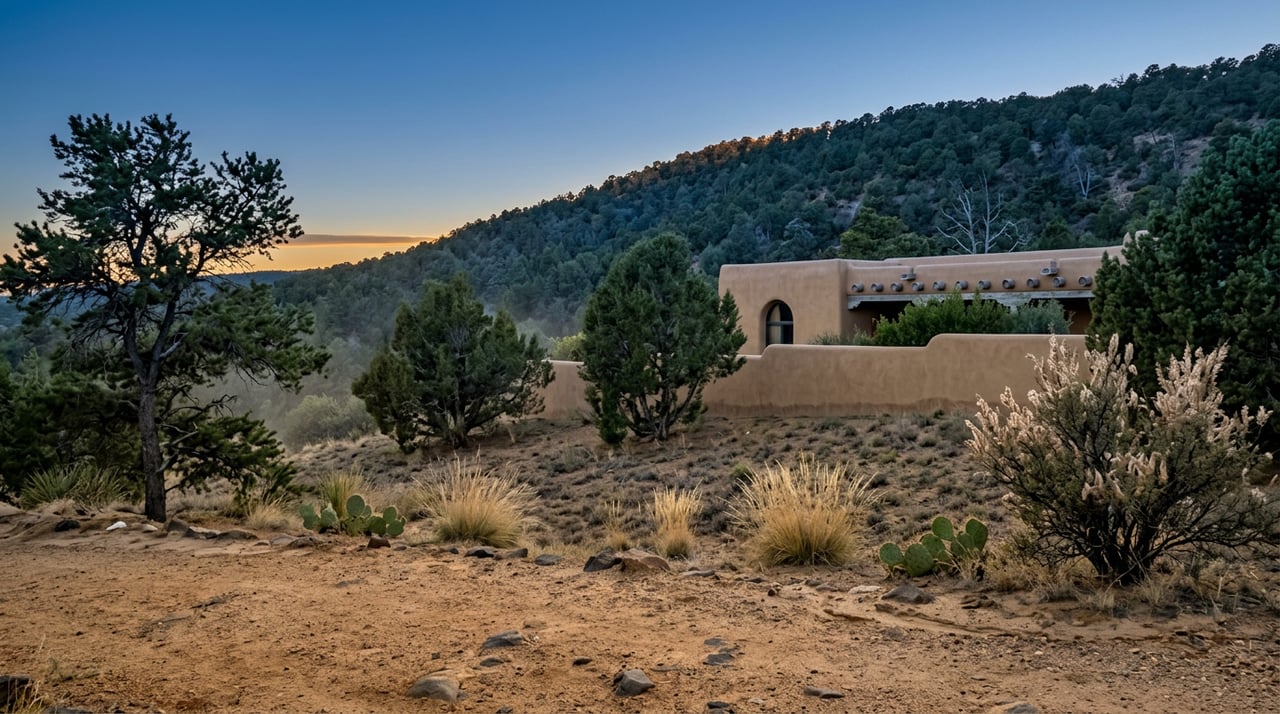
- Sunrise and golden-hour photos from portals and patios that capture the view sweep.
- A simple parcel map in your showing packet so buyers understand boundaries and buildable areas.
Plan smooth showings and access
Spread-out parcels change how showings work. Set clear expectations for agents and buyers so visits are easy and safe.
Road maintenance and winter access
Clarify whether access is via county-maintained or private roads, and provide any road maintenance agreements or HOA docs that address repairs and snow removal. Buyers want to know costs and reliability, especially in winter. For a practical checklist of what acreage buyers ask about access and road care on Tano Road, review this local guide to acreage showings and logistics: read about road and access norms buyers consider.
Gates, safety, and scheduling
Use a managed lockbox and provide clear turn-by-turn directions, parking notes, and gate instructions. Consider a one-page “showing logistics” handout that covers approach time, winter vehicle needs, and pet guidance. Follow general REALTOR safety best practices for rural showings. See NAR’s safety guidance for reminders to structure safe, efficient appointments.
Build a tight seller packet
A complete digital packet reduces back-and-forth and helps buyers act faster. Include:
- Preliminary title commitment showing easements and encumbrances.
- Certified boundary survey and recorded legal description.
- Well permit number, OSE file, driller’s log, and any pump or production tests.
- Septic permit and as-built, pump records, and any third-party evaluation.
- Building permits and certificates of occupancy for home and significant outbuildings, or a clear disclosure and plan if unpermitted work exists.
- Road maintenance agreement or HOA docs detailing snow and road responsibilities.
- CC&Rs and any assessments, if applicable.
- Proof of wildfire mitigation work with photos, invoices, and dates.
- Utility account numbers and provider contacts for electric, gas or propane, and internet. Note any line-extension balances.
- Seller property disclosure form and any well, septic, or outbuilding addenda customary in New Mexico.
Act early to shorten escrow
You can prevent last-minute renegotiations by tackling key items before listing.
- Order a well pump or production test if records are missing or outdated.
- Schedule a third-party septic evaluation and pump service if due.
- Audit permits for the home and all outbuildings, and begin any retro-permit process now. Local permit expeditors can outline options and timelines.
- Compile an easy-to-share digital folder with your seller packet and a one-page property summary for showings.
A little front-loaded work makes your listing more competitive and keeps escrow focused on closing, not chasing paperwork.
Ready to list your Tano Road property with a team that understands acreage buyers, county rules, and luxury presentation? Reach out to Leland Titus for a tailored plan and a smooth, well-documented sale.
FAQs
How do I verify my Tano Road well records before listing?
- Locate your OSE well permit number, then confirm the driller’s log, pump depth, and any meter or production reports through the state portal. If records are missing, schedule a new pump test and save results.
What septic documents do Tano Road buyers expect to see?
- Provide the septic as-built and permit, NMED registration if applicable, recent pump receipts, and a current third-party evaluation. Include notes on capacity if adding bedrooms or an ADU is a consideration.
How can I tell if my barn, shop, or casita is permitted?
- Pull Santa Fe County permit records for every structure and match them to the County’s permit packets. If living space was added to an accessory structure without inspections or a certificate of occupancy, disclose it and start the retro-permit process early.
Does wildfire mitigation really affect a buyer’s decision?
- Yes. Documented defensible space and maintenance help buyers and insurers feel confident. Share photos, dates, and invoices for fuel reduction, chipping, and roof or vent work as part of your packet.
Who maintains private roads near my Tano Road home?
- Check your title documents, HOA or road maintenance agreements, and any cost-sharing provisions. Provide these in writing, along with any known snow removal plans, to set clear expectations for buyers.
How do I confirm internet options in 87506?
- Contact local providers to verify service and speeds, and save written confirmations for your packet. If you are unsure who serves your address, start with an 87506 utility overview, then confirm directly with providers.
What listing photos work best for acreage properties?
- Use aerials to reveal parcel context and approach, then add sunrise or sunset images from portals and patios that frame the views. Include a simple parcel map so buyers can visualize boundaries and usable areas.