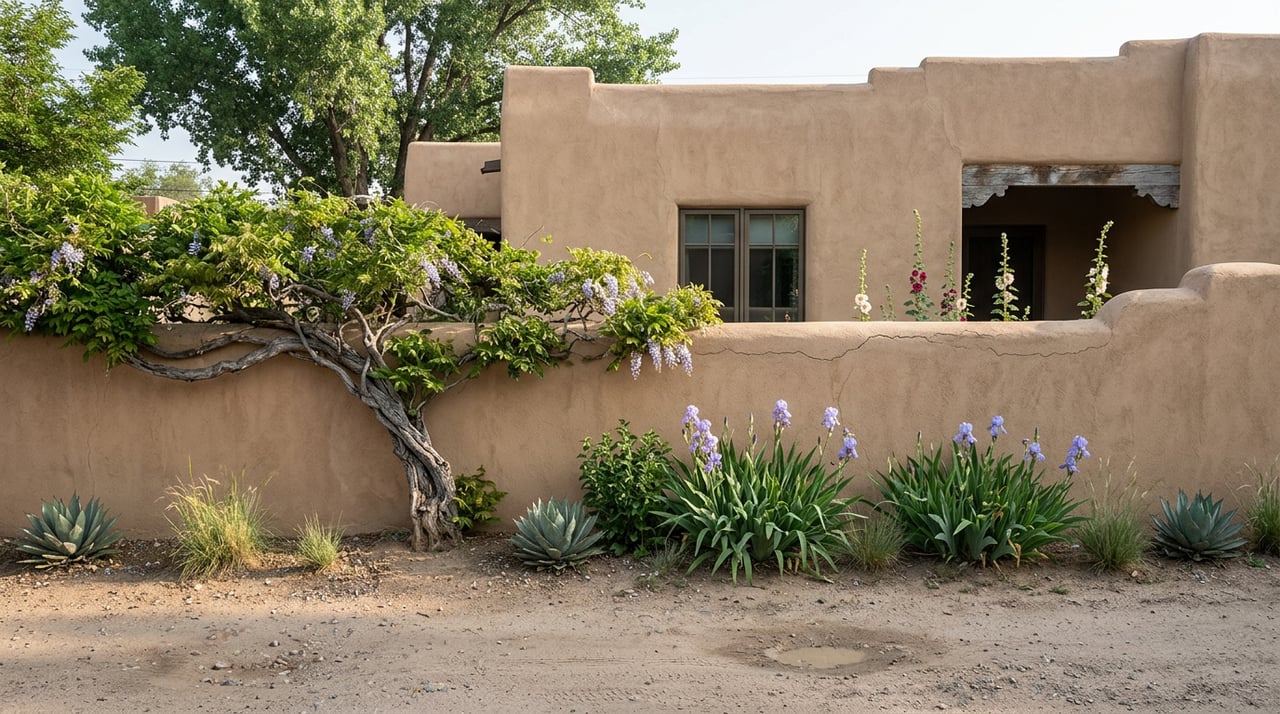
If you are thinking about selling on Santa Fe’s Historic Eastside, one mistake can cost you time and money: treating your home like it belongs to the broader Santa Fe market. This neighborhood plays by its own rules, and buyers here often care as much about authenticity, condition, and approved updates as they do about square footage. If you want to price well, prepare wisely, and avoid unnecessary surprises, it helps to understand how this micro-market works before you list. Let’s dive in.
Why the Historic Eastside Needs Its Own Pricing Strategy
The Historic Eastside is not a typical Santa Fe submarket. A Q1 2026 Historic Eastside snapshot reported a median sales price of $1.29 million, average days on market of 41, with 9 closed sales and 9 active listings. By comparison, Santa Fe overall was reported at a $550,000 median sale price in March 2026, and Santa Fe County showed a $745,000 median listing price with a typical 60 days on market.
That gap matters when you set your asking price. If you lean too heavily on citywide averages, you risk underpricing a distinctive property or overpricing a home that still needs meaningful prep. In this neighborhood, pricing should reflect the Eastside’s premium position, not the broader market alone.
Why Small Sample Sizes Matter
There is another important detail in that Eastside snapshot: only 9 closed sales were reported. That is a small sample, which means broad averages can only tell part of the story. Your pricing decision needs to rely more heavily on the most recent nearby comparable sales and the specifics of your home.
For many Historic Eastside properties, value can shift based on details such as:
- Historic status
- Overall condition
- Lot size and privacy
- Off-street parking
- Quality of approved improvements
- Preservation of original architectural features
In other words, two homes on the Eastside can sit in the same price band on paper but perform very differently once buyers look closely.
What Buyers Notice in Historic Eastside Homes
Buyers drawn to older homes are often looking for something they cannot get in new construction. National buyer data from 2025 found that 85% of recent buyers purchased previously owned homes, and those buyers often cited better value, lower price, and charm and character as reasons for choosing them. In the Historic Eastside, that character can be a major part of the home’s appeal.
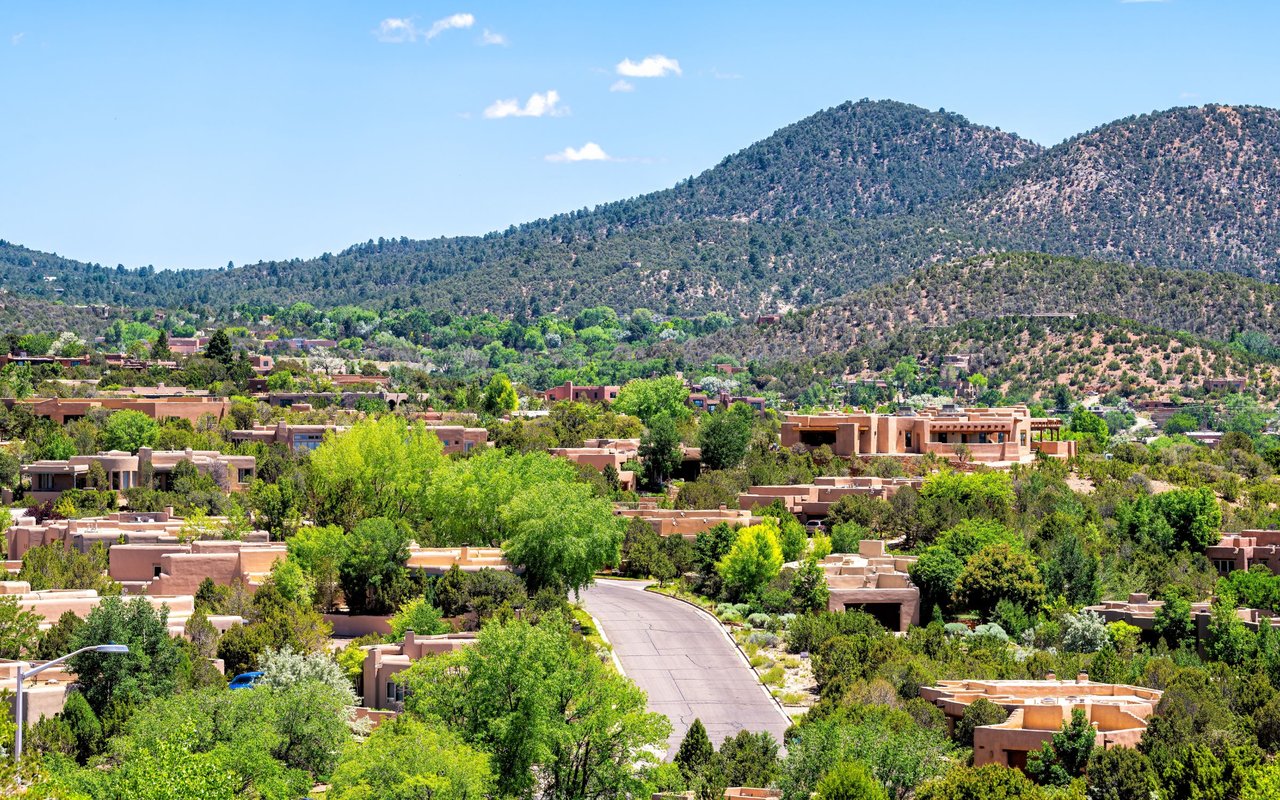
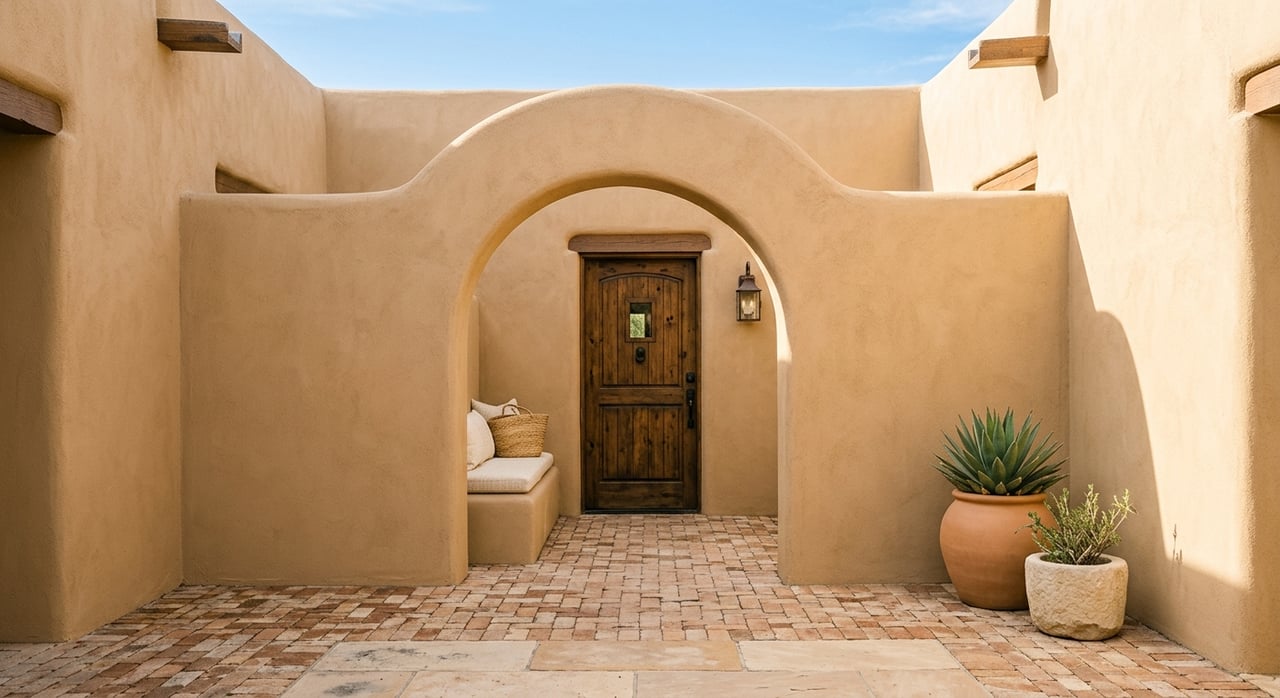
The City of Santa Fe’s Downtown and Eastside standards recognize architectural forms tied to Old Santa Fe Style, including Pueblo, Territorial, and revival forms, along with more recent construction that must remain visually harmonious with historic surroundings. That means buyers are often responding to features that feel rooted in place, such as plaster finishes, inset openings, vigas, portals, and traditional massing.
When those details are intact and well presented, they help support the home’s story in the market. Buyers are not just comparing finishes. They are also comparing authenticity.
Start With Preservation, Not Just Cosmetics
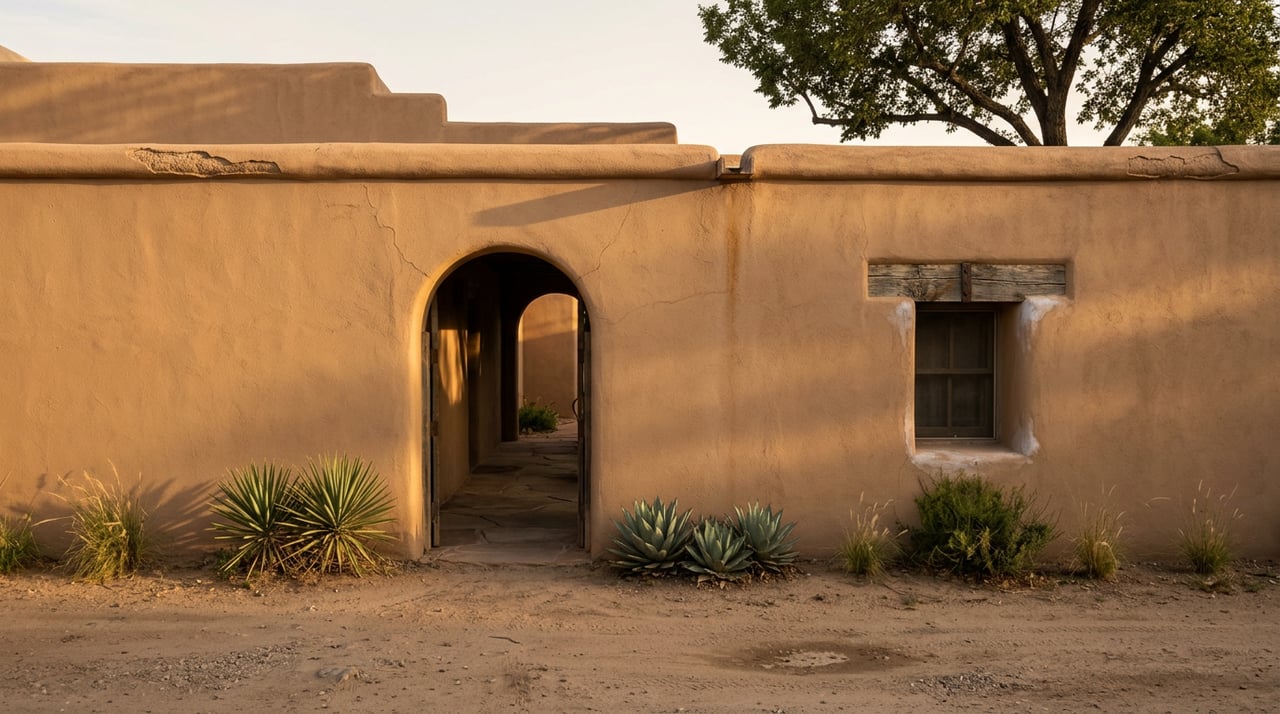
If your home is adobe or adobe-like in construction, pre-listing preparation should begin with preservation basics. According to the National Park Service, moisture is the primary enemy of adobe buildings. A watertight roof and proper drainage are considered the best protection against rainfall erosion.
That is why the most valuable pre-listing work is often not flashy. Before you think about decorative upgrades, it is smart to focus on the building envelope and any signs of water intrusion. Buyers and inspectors tend to notice those issues quickly, and unresolved moisture concerns can weaken your pricing position.
Prep Items Worth Prioritizing
Based on preservation guidance, sellers should usually focus first on:
- Roof condition and drainage
- Moving water away from the foundation
- Monitoring cracks, bulging, or surface deterioration
- Plaster touch-ups where appropriate
- Servicing original windows and doors when feasible
- Site cleanup and exterior tidiness
This kind of work supports both presentation and buyer confidence. It can also help prevent last-minute negotiation pressure once the property is under contract.
Be Careful With Exterior Changes
On the Historic Eastside, not every improvement is simple. The City of Santa Fe Historic Preservation Division helps owners in the city’s historic districts with property modifications, and owners must submit a Historic Districts Application Form for work in those districts. The city also states that exterior work in historic districts must be pre-approved by the Historic Preservation Division.
That matters if you are considering pre-listing repairs or visual updates. A project that seems minor to you may still need review, especially if it affects visible exterior elements.
What the City Pays Attention To
For Downtown and Eastside properties, city standards address several exterior details, including:
- Exterior wall color, typically in earth tones with a matte finish
- Stucco or mud-plaster appearance across most of the facade
- Traditional Santa Fe architectural forms and materials
- Historic windows on primary facades
- Door and window opening sizes
- Additions and second-story placement
- Rooftop elements such as decks, mechanical equipment, and solar collectors
The city notes that historic windows on primary facades should be repaired or restored whenever possible, or duplicated in size, style, and material if replacement is necessary. Historic openings generally should not be widened or narrowed.
If a project cannot be handled administratively, it may go before the Historic Districts Review Board, which meets on the second and fourth Tuesday of each month. The city lists a $75 application-initiation fee.
Avoid Repairs That Can Hurt the Home
Not all repairs help an adobe home. The National Park Service advises against incompatible repairs such as cement stucco or concrete patches, which can trap moisture. That means a quick fix meant to improve curb appeal could create bigger issues if the material does not work with the home’s construction.
If you are preparing to sell, it is worth slowing down before approving any exterior repair plan. In this neighborhood, the right repair is often the one that preserves the home properly and aligns with local standards, not the one that looks fastest or cheapest.
Staging Should Highlight Character
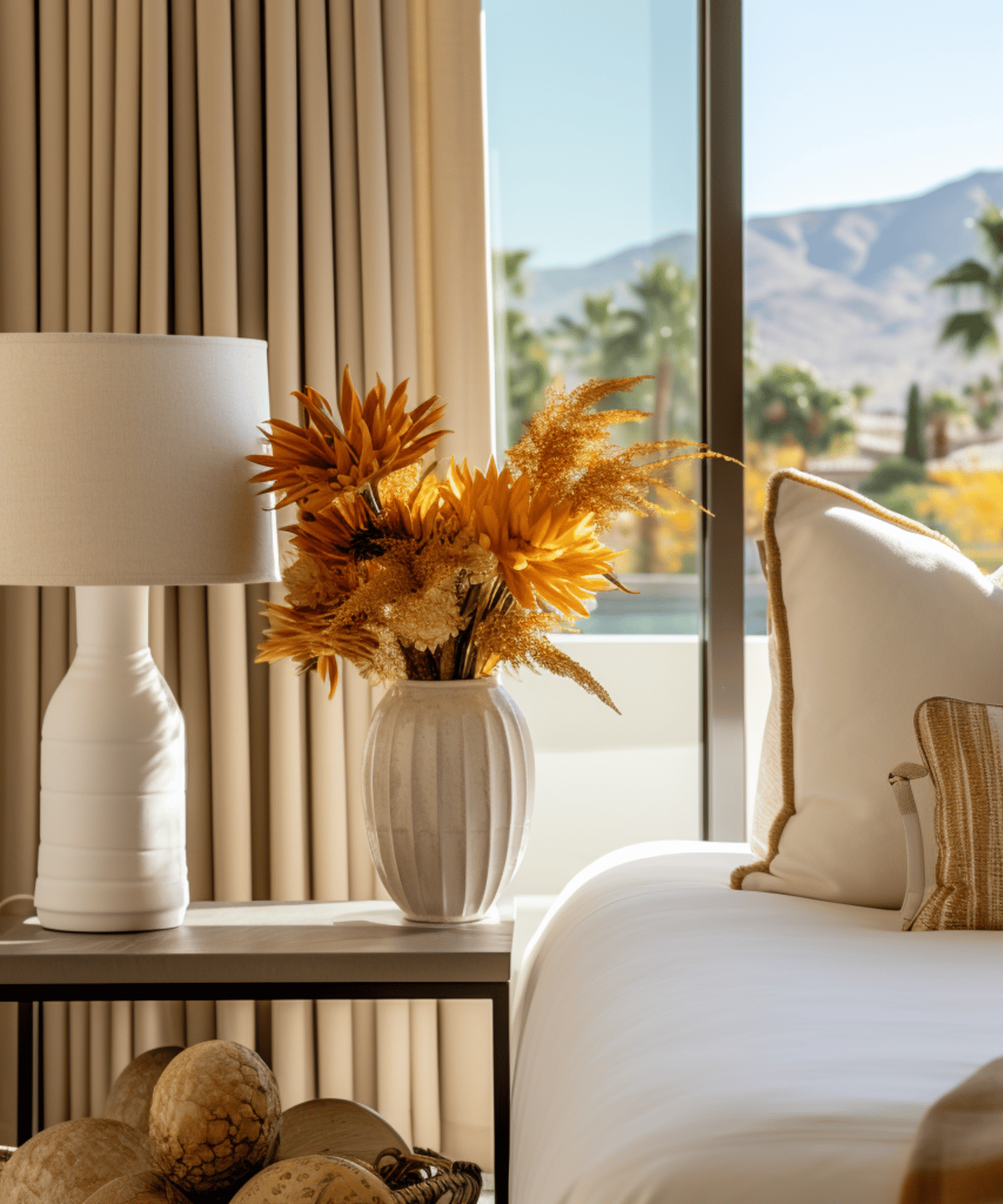
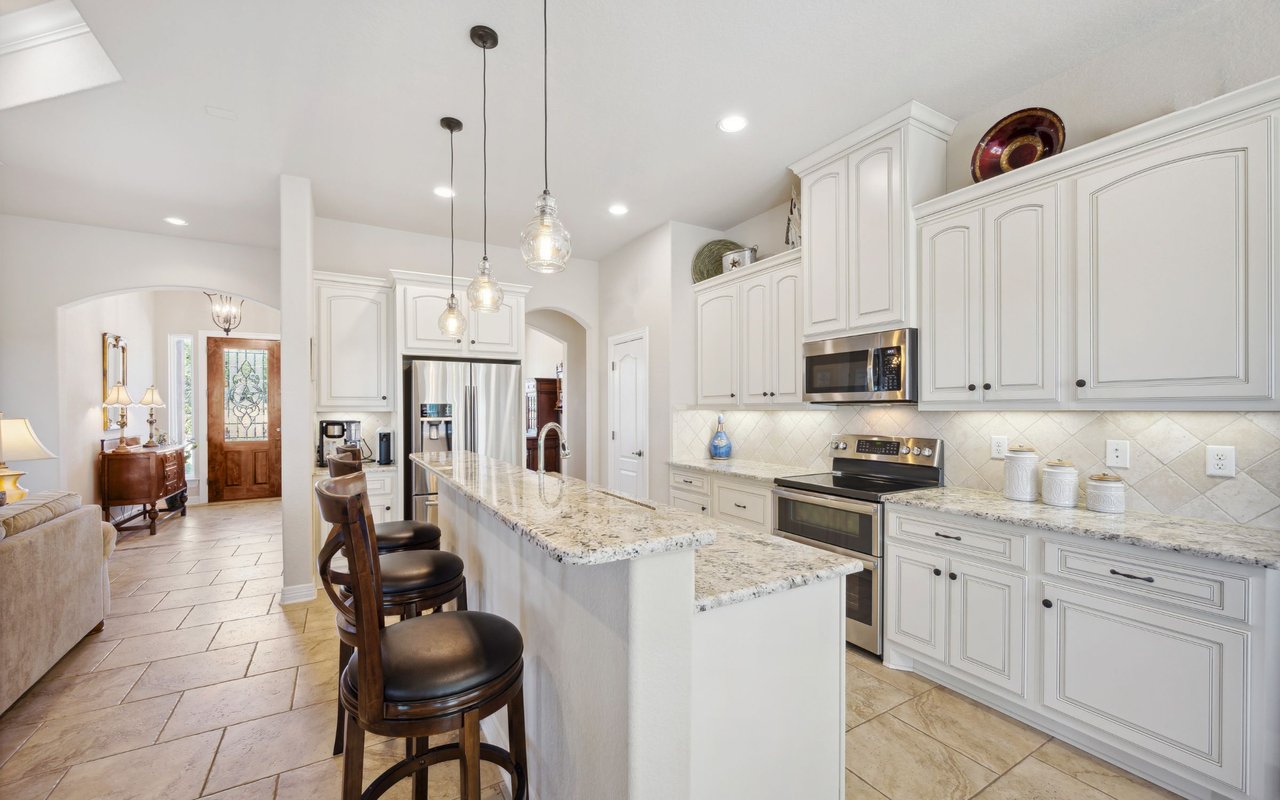
Staging still matters, even in a historic home with strong architectural appeal. In a 2025 staging survey, 83% of buyers’ agents said staging makes it easier for buyers to visualize a property as a future home, and 60% said staging affects some buyers. The most commonly staged rooms were the living room, primary bedroom, and dining room.
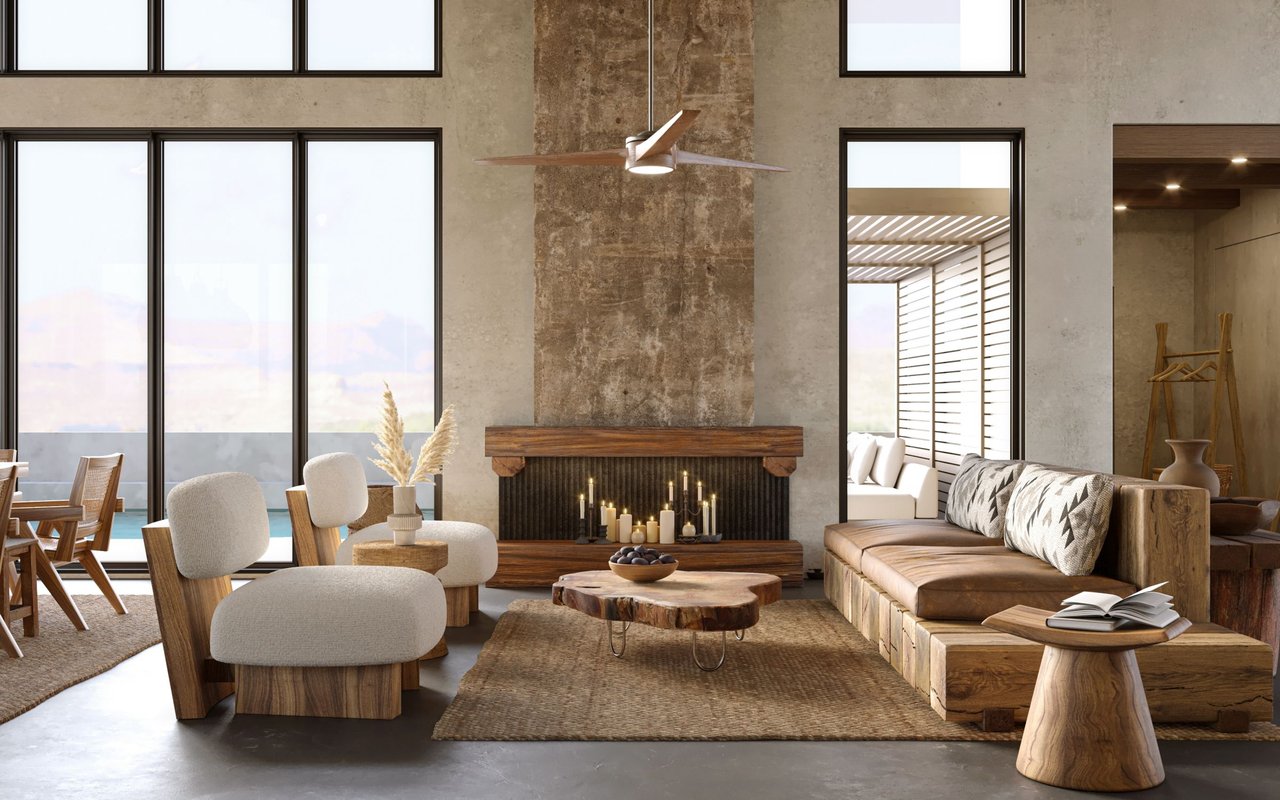
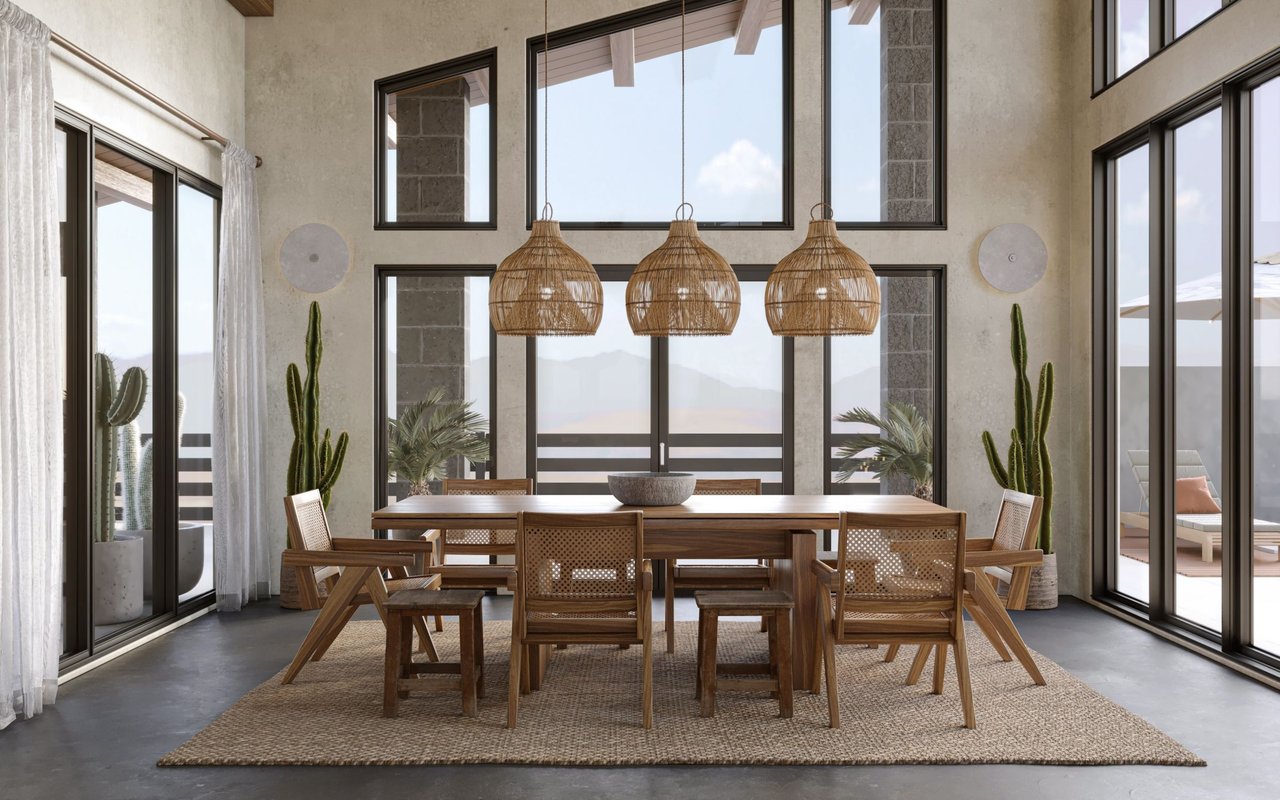
For the Historic Eastside, staging works best when it supports the architecture instead of competing with it. You want buyers to notice the proportions, light, materials, and original details, not a room full of distractions.
Smart Staging Priorities
A strong pre-listing presentation usually includes:
- Clean, uncluttered rooms
- Good natural and supplemental lighting
- Thoughtful furniture placement
- Visible architectural details
- Neutral, simple styling
- Strong presentation in key rooms first
This approach tends to photograph well and helps online buyers connect with the home quickly.
Online Presentation Matters More Than Ever
Even for one-of-a-kind properties, first impressions often happen online. Buyer research from 2025 found that 43% of buyers started their search online, all buyers used the internet, and the most valued website content was photos and detailed property information.
That is especially important on the Historic Eastside, where homes often need context. A listing should not just show the home. It should help buyers understand what makes it special, what has been preserved, and what improvements have been completed or approved.
What a Strong Marketing Package Should Include
To support value in this market, your listing presentation should emphasize:
- Accurate, professional photography
- Clear room-by-room presentation
- Detailed property information
- Concise notes about historic character
- Documentation of approved work when available
- Precise positioning within the Historic Eastside market
In a neighborhood like this, precision is part of the value story.
How Pricing and Prep Work Together
Pricing and preparation should never be handled separately. If your home has strong historic features, good maintenance, and a clean presentation, that can support a more confident market position. If the property needs drainage work, has deferred maintenance, or includes exterior elements that may raise review questions, your price strategy may need to reflect that.
The goal is not to chase a number based on the highest sale nearby. The goal is to position your home honestly and competitively, based on what buyers in this micro-market are likely to value right now.
Why Local Guidance Matters on the Eastside
Most sellers want help with the same core issues: pricing competitively, marketing effectively, and selling within a desired timeframe. In a neighborhood as nuanced as Santa Fe’s Historic Eastside, that usually means working with someone who understands the local comp set, the city’s review framework, and what buyers respond to in historic homes.
A knowledgeable listing broker can help you decide which prep items are worth doing, which changes may need city review, and how to present the home so buyers see both its authenticity and its practical value. That kind of local guidance can make the process smoother and the listing more credible from day one.
If you are thinking about selling on Santa Fe’s Historic Eastside, thoughtful pricing and careful preparation can protect your time, your negotiating position, and the story your home tells. When you are ready for neighborhood-specific advice and hands-on guidance, connect with Leland Titus.
FAQs
How should you price a home in Santa Fe’s Historic Eastside?
- You should treat the Historic Eastside as its own micro-market and rely on recent nearby comparable sales, plus the home’s historic status, condition, lot privacy, parking, and approved improvements rather than broad Santa Fe averages alone.
What repairs matter most before listing an adobe home in Santa Fe?
- The highest-priority items are usually roof condition, drainage, moisture management, plaster maintenance, and service to original windows and doors when feasible.
Do exterior changes on the Historic Eastside need city approval?
- Yes, exterior work in Santa Fe’s historic districts must be pre-approved by the City of Santa Fe Historic Preservation Division, and some projects may require review by the Historic Districts Review Board.
What do buyers look for in a Historic Eastside home?
- Buyers often value charm, character, preserved architectural details, and a home that presents authentic Santa Fe style while showing clear care and maintenance.
How important are photos and staging for a Historic Eastside listing?
- They are very important because buyers use the internet throughout their search, and photos plus detailed property information are among the most valuable parts of an online listing.
What rooms should you stage before listing a Santa Fe historic home?
- The living room, primary bedroom, and dining room are often the most important rooms to stage because they help buyers picture how they would live in the home.