If you own a live/work property near Canyon Road, you are not just selling square footage. You are selling flexibility, historic character, and a location tied to one of Santa Fe’s most recognized cultural corridors. That can create real opportunity, but it also means buyers will look closely at use, approvals, and long-term potential. In this guide, you’ll learn how to position your property clearly, market it responsibly, and avoid common missteps when selling near Canyon Road. Let’s dive in.
Why Canyon Road Changes the Sales Strategy
Canyon Road stands out because it sits at the heart of Santa Fe’s gallery scene, with more than 100 galleries along a half-mile, tree-lined, pedestrian-friendly stretch. That setting naturally attracts buyers who care about both lifestyle and function.
For many sellers, that means your property may appeal to more than a traditional homebuyer. Depending on the property and its legal use, interest may also come from buyers who want space for a studio, office, gallery-adjacent work area, or another resident-based business use.
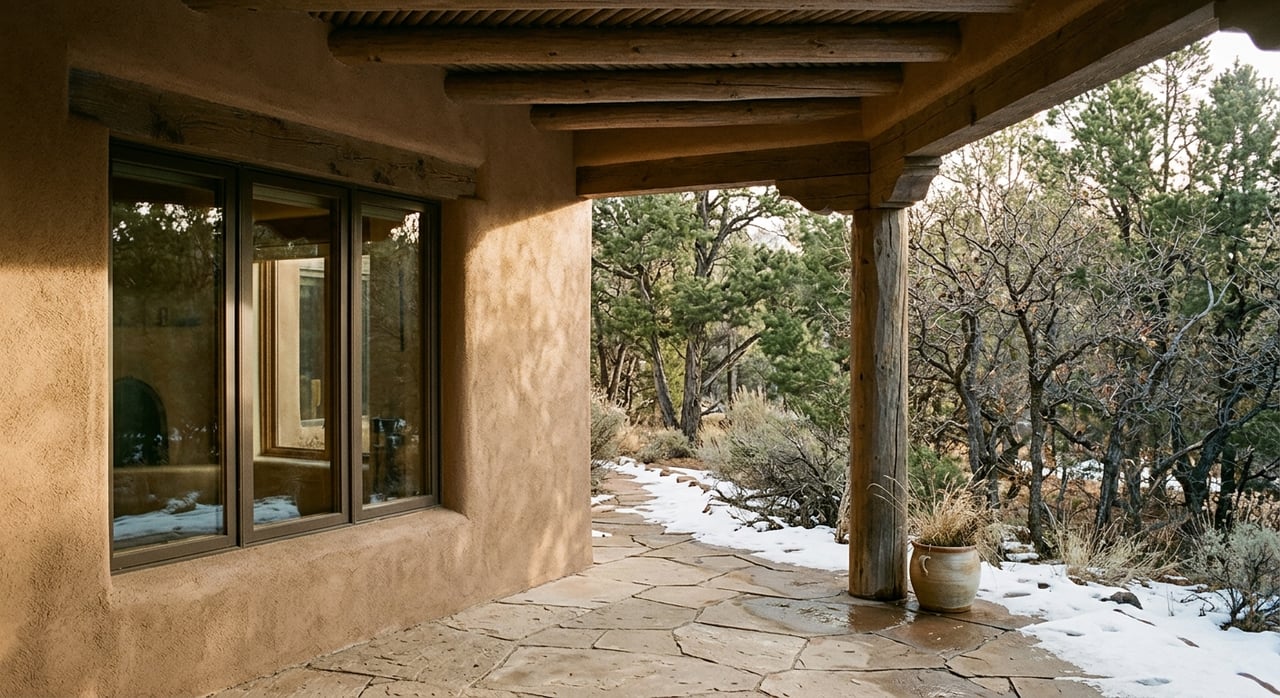
Properties in this corridor also carry architectural weight. Canyon Road is part of the Downtown and Eastside Historic District, one of Santa Fe’s oldest and best-preserved areas, and buyers often pay close attention to authenticity, layout, and how a property fits the surrounding historic fabric.
Position the Property as Flexible
In many cases, the best marketing angle is not simply "house for sale." Near Canyon Road, a stronger approach is often residence with flexible work potential.
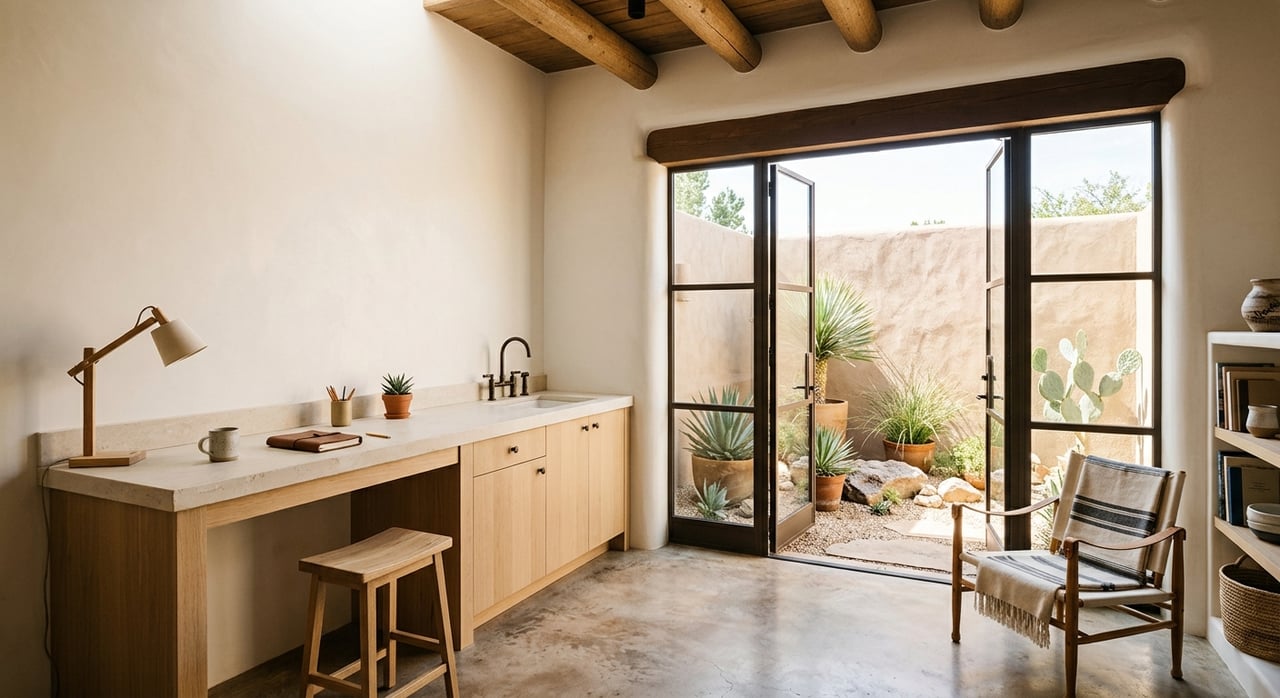
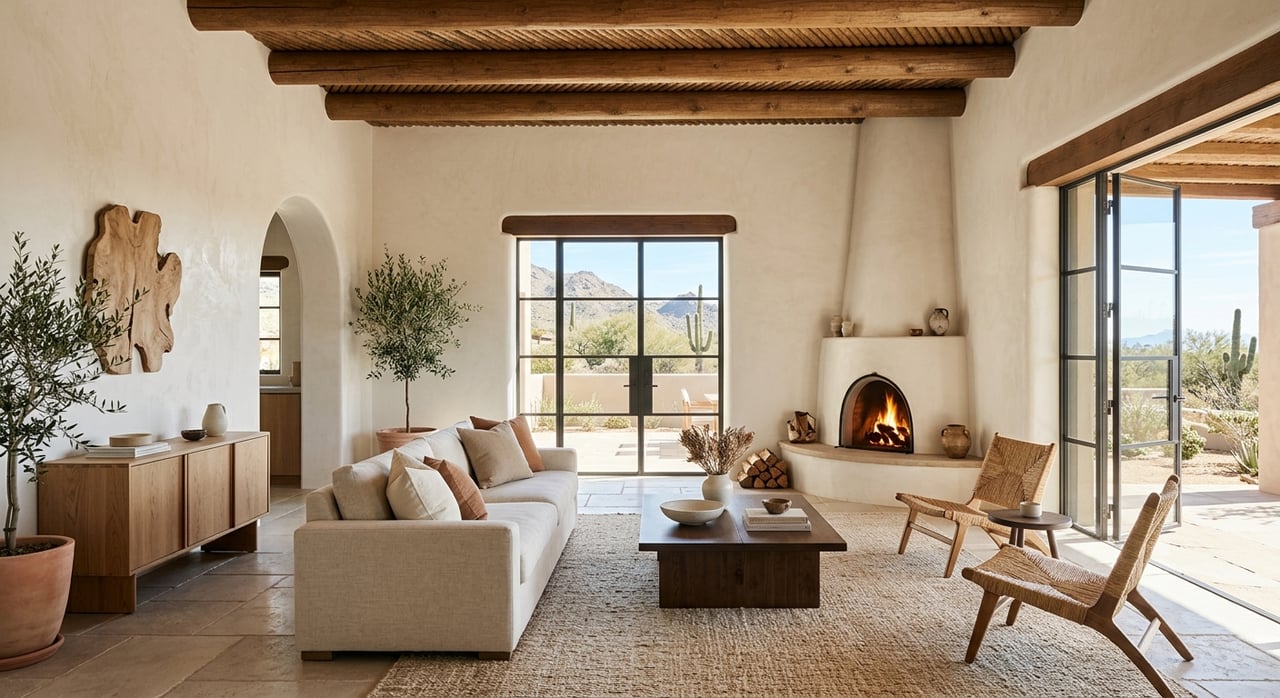
That wording matters because many properties in the area began as homes and were later adapted for galleries or studios. Buyers often respond well to a story that combines residential comfort with adaptable work space, especially when the property has separate rooms, strong natural light, or a distinct entry sequence.
At the same time, flexibility should be presented carefully. You want to create excitement around possibility without suggesting a use that has not been verified.
Verify Use Before You Market
This is one of the most important steps when selling a live/work property near Canyon Road. In Santa Fe, zoning controls which uses are allowed in each district, so you should confirm the underlying zoning and any use-specific standards before describing a property as commercial, live/work, or studio-ready.
That is especially important because several separate rules may apply at once. A property’s zoning, home occupation standards, business licensing requirements, and historic district review are not the same thing.
In practical terms, that means a space that feels ideal for a gallery or studio still needs to be described based on what is legally allowed or legally existing. Clear, accurate positioning builds trust and helps prevent deal friction later.
What sellers should confirm early
Before your listing goes live, it helps to gather and review:
- Current legal use of the property
- Underlying zoning designation
- Any permits or certificates of occupancy
- Business licenses tied to the property, if applicable
- Historic approvals for past exterior changes or signs
- Proof of legal lot of record if future expansion, remodel, or parcel changes may matter
Having these items ready can make your listing more credible and can speed up buyer due diligence.
Understand Home Occupation Rules
Santa Fe allows home occupations on residential or mixed-use residential/commercial property if the standards are met. In general, the use must remain tied to the resident owner, stay within the lot, and remain limited enough to avoid parking or nuisance conflicts.
The city also requires inspections before business registration in some cases, including situations involving clients, outside workers, or on-site goods. If your property has been used in a way that involves customer visits or business operations, buyers will want to know how that use has been handled.
This is why broad claims can backfire. It is usually safer to market a property with language that highlights potential while staying grounded in documented use.
Use Safer, Smarter Listing Language
When marketing a Canyon Road property, precision matters. The goal is to attract both residential and business-minded buyers without overstating rights that may depend on zoning, inspections, or approvals.
Safer phrases often include:
- Studio-ready space
- Gallery-adjacent setting
- Flexible interior layout
- Residence with approved work use
- Separate work area or office space
These descriptions help communicate value while leaving room for buyers to complete their own review. They also better reflect the reality of Santa Fe’s zoning, licensing, and historic review framework.
Highlight the Features Both Buyer Types Want
A live/work buyer near Canyon Road is often evaluating the property through two lenses at once. They want to know how it lives day to day and how it functions for work, creativity, or client-facing activity.
That means your marketing should document the features that support both uses. Good presentation can help buyers quickly understand the layout and imagine practical use.
Features worth emphasizing
- Street-facing curb appeal
- Entry sequence and visibility
- Natural light
- Studio, office, or workroom space
- Storage areas
- Parking availability
- Separate access points, if they exist
These details matter in a pedestrian-oriented area where access, visibility, and client flow can shape how buyers view the property.
Floor Plans Matter More Here
For a standard home sale, floor plans are helpful. For a live/work property near Canyon Road, they can be essential.
A clear floor plan should distinguish between living areas and work-oriented spaces such as a studio, office, gallery room, or storage area. Buyers in this niche often want to understand not just the size of the property, but how the space is already organized.
Just as important, the plan and marketing remarks should only identify uses that are actually permitted or legally existing. That clarity can reduce confusion and strengthen buyer confidence.
Historic Review Can Affect Value and Buyer Plans
Because Canyon Road properties may fall within historic review authority, buyers often think beyond the current condition of the property. They may already be considering signage, additions, exterior updates, or other changes.
Santa Fe’s Historic Preservation Division assists property owners with modifications, and projects that cannot be approved administratively go to the HDRB. The city also states that signs in historic districts must comply with the sign code, and noncompliant signs are reviewed by the HDRB.
For sellers, this means it is wise to be upfront about any known approvals, past alterations, and signage history. The more clearly you can separate what exists today from what may require future review, the smoother your negotiations are likely to be.
Don’t Overlook Access and Logistics
Canyon Road’s charm is part of its appeal, but logistics still matter. Santa Fe lists Canyon Road among streets where trucks and other large vehicles of five tons or more are restricted.
That can affect staging, delivery planning, and the day-to-day practicality of certain business uses. A buyer who plans to display inventory, receive frequent shipments, or renovate soon after closing may view this as an important part of due diligence.
As a seller, you do not need to solve every logistics question in advance. You do want to anticipate the issue and be prepared for questions.
Keep Negotiations Grounded in Documents
One of the cleanest ways to negotiate a live/work sale is to separate real property value from business-use value. In other words, the home’s architecture, location, and residential function should stand on their own, while any work or business-related rights should be supported by documentation.
This approach helps reduce disagreement over what the buyer believes they are purchasing. It is particularly useful when a property has a storefront feel, customer-facing studio space, or a long history of mixed use.
Documents that can support negotiations
Ask for or organize these items as early as possible:
- Permits
- Certificates of occupancy
- Business licenses
- Historic approvals
- Sign approvals, if applicable
- Legal lot of record documentation
These records can help show whether a use is fully permitted, legally existing, or subject to future review.
Build Extra Time Into Due Diligence
If a buyer plans to operate from the property soon after closing, timing matters. In Santa Fe, business license applications are routed through zoning and inspection steps before the license is issued.
That means buyers who expect immediate operations may need more time than they would with a standard residential purchase. Sellers who understand this in advance are often better prepared to respond to timeline requests without unnecessary friction.
A thoughtful contract timeline can also help both sides address signage, parking, delivery access, and any historic review questions before contingencies expire.
The Best Sales Strategy Near Canyon Road
The strongest strategy is usually a balanced one. You want to market the location, charm, and flexibility that make Canyon Road special, while staying disciplined about what is documented and allowed.
That means leading with the current legal use, showing the property’s next best use only when supported, and presenting the space in a way that helps buyers understand both function and character. In a corridor shaped by galleries, historic architecture, walkability, and layered city review, clarity is often what creates confidence.
If you are preparing to sell a live/work property near Canyon Road, local knowledge matters. The right pricing, positioning, and documentation strategy can help you attract serious buyers and protect your leverage from the first showing through closing. To talk through your property and next steps, connect with Leland Titus.
FAQs
What makes a live/work property near Canyon Road different from a typical home sale?
- A Canyon Road property may attract buyers looking for both residential use and work space, so marketing, due diligence, zoning review, and historic considerations often play a bigger role than they do in a standard home sale.
Can you market a Canyon Road property as commercial or studio space?
- You should first verify the property’s zoning, legal use, and any applicable standards before describing it as commercial, live/work, or studio-ready.
What home occupation rules apply to Santa Fe properties?
- Santa Fe allows home occupations on residential or mixed-use residential/commercial property when standards are met, including limits tied to the resident owner, lot use, and impacts such as parking or nuisance concerns.
Why do historic district rules matter when selling near Canyon Road?
- Historic district rules can affect modifications, signs, and exterior changes, so buyers often want to know what has already been approved and what may require review.
What documents help when selling a live/work property in Santa Fe?
- Useful documents include permits, certificates of occupancy, business licenses, historic approvals, sign-related approvals, and proof of legal lot of record where relevant.
Should a seller mention future business potential in a Canyon Road listing?
- Yes, but the wording should be careful and tied to verified use or approvals, with an emphasis on flexibility rather than guaranteed commercial rights.