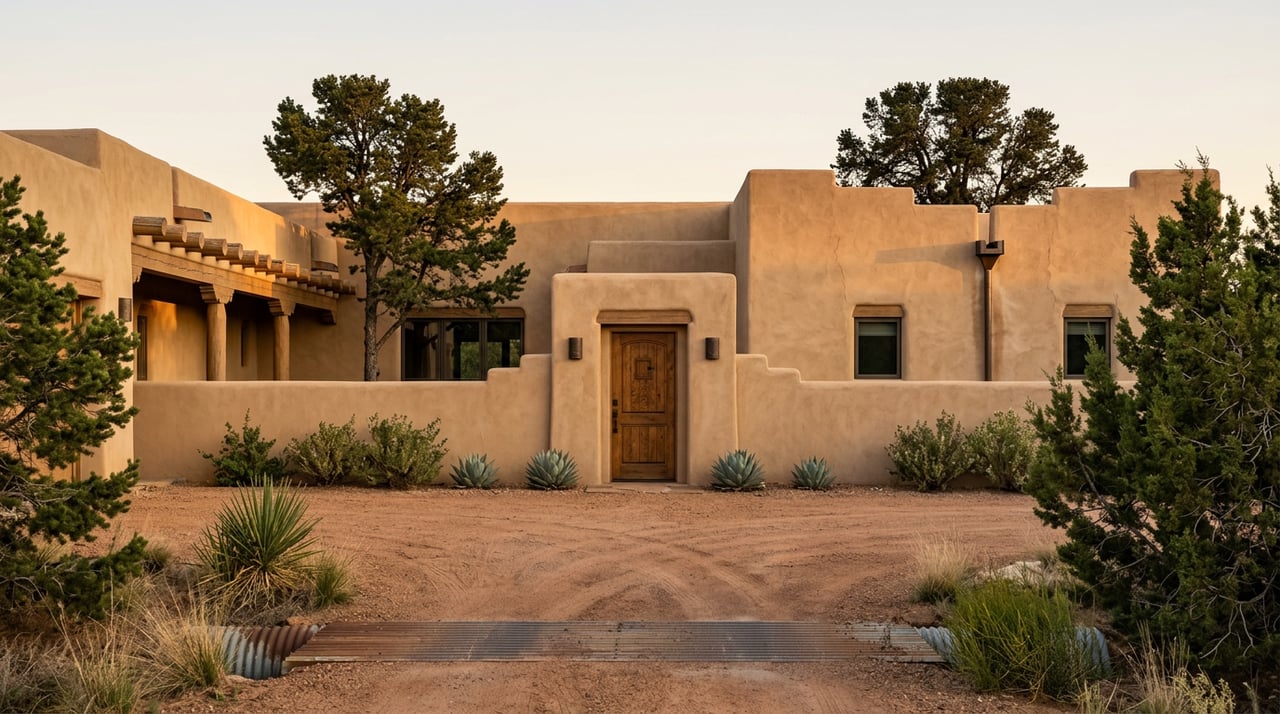
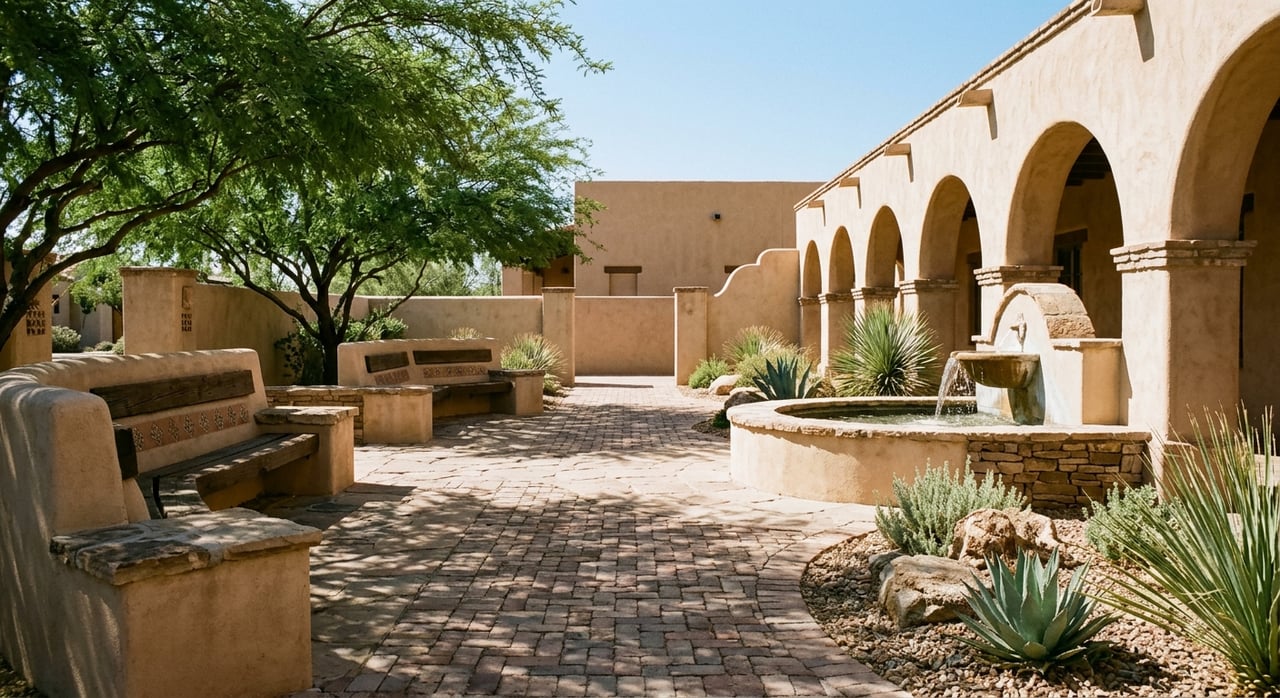
Trying to choose between two of Santa Fe’s most beloved in‑town neighborhoods? You’re not alone. South Capitol and the Historic Eastside both offer walkable streets, rich culture, and fast access to the Plaza. The right fit comes down to your budget, how you like to live day to day, and your comfort with historic‑district rules. In this guide, you’ll get a clear, side‑by‑side look at location, home styles, prices, vibe, walkability, and preservation notes so you can decide with confidence. Let’s dive in.
Quick take: 87501’s two walkable classics
Both neighborhoods sit in central Santa Fe and deliver strong walkability. The Historic Eastside is the oldest and most preservation‑regulated area, known for adobe compounds, Canyon Road, and some of the city’s highest‑value in‑town properties. South Capitol offers an early‑20th‑century grid of bungalows and adobes, plus a broader range of prices and home types, all within an easy walk to the Plaza and the Railyard.
Where they sit and what to expect
Historic Eastside snapshot
The Historic Eastside covers some of Santa Fe’s oldest residential blocks, including sections near East Palace and Canyon Road. You’ll find irregular, older street patterns, adobe walls, and properties that often contribute to the city’s historic fabric. Many blocks are a short walk to the Plaza, galleries, and dining. For deeper context on the area’s history and early settlement, explore the Barrio de Analco Historic District background.
South Capitol snapshot
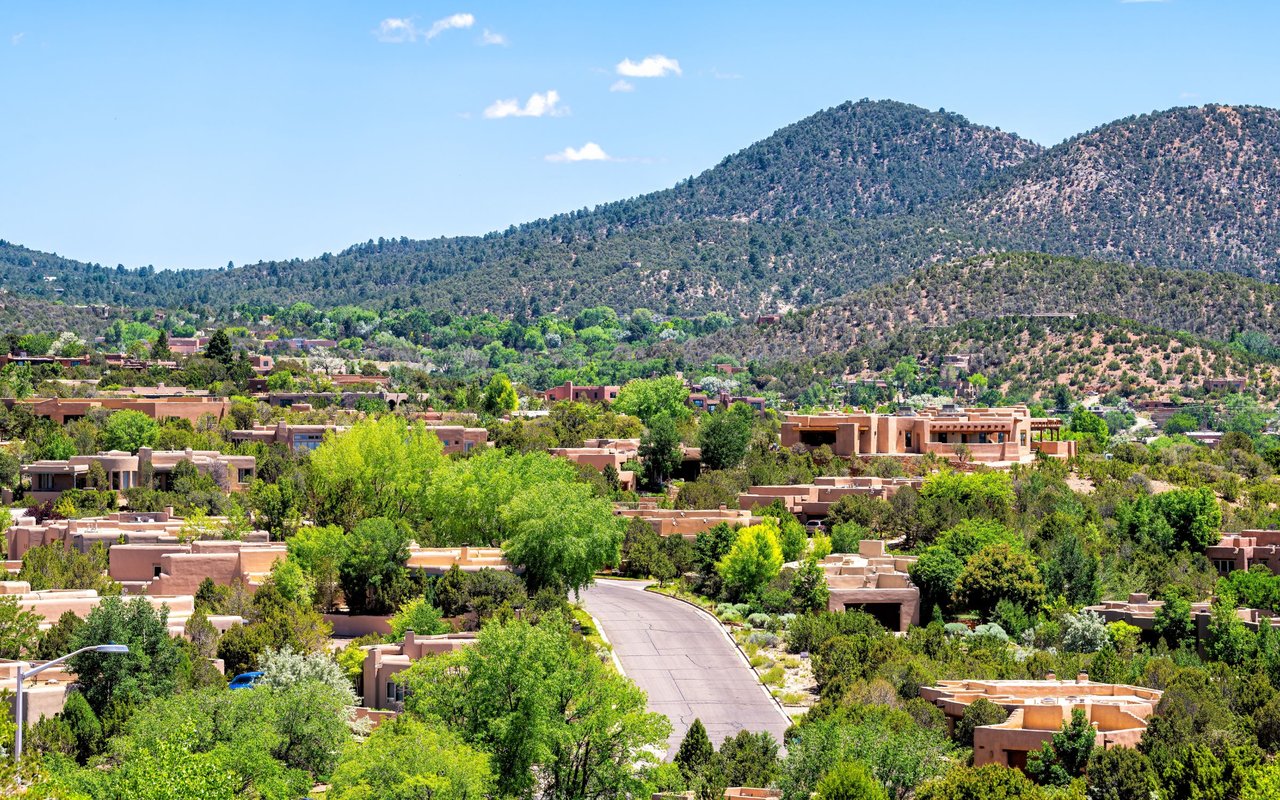
South Capitol sits just south of the Capitol and the Plaza area, with the Don Gaspar historic district at its core. The layout reflects the railroad‑era expansion: a tighter grid, bungalow and Territorial homes, and mature street trees. You’ll see a wider architectural mix than in the Eastside core, including mid‑century updates and thoughtful infill. Because neighborhood names are informal, boundaries can blur. When you want clarity on exact historic‑district lines, consult the City of Santa Fe historic districts map.
Homes and lots
Historic Eastside patterns
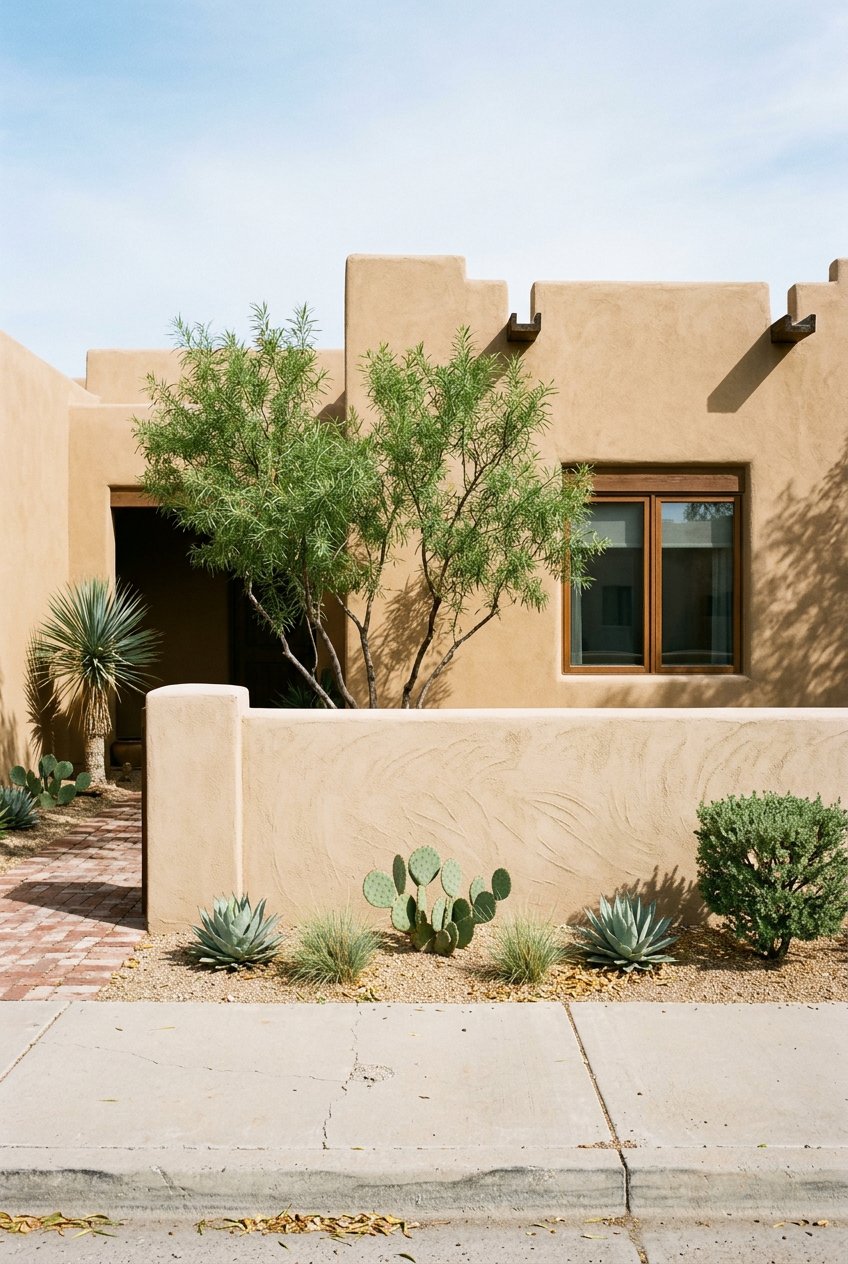
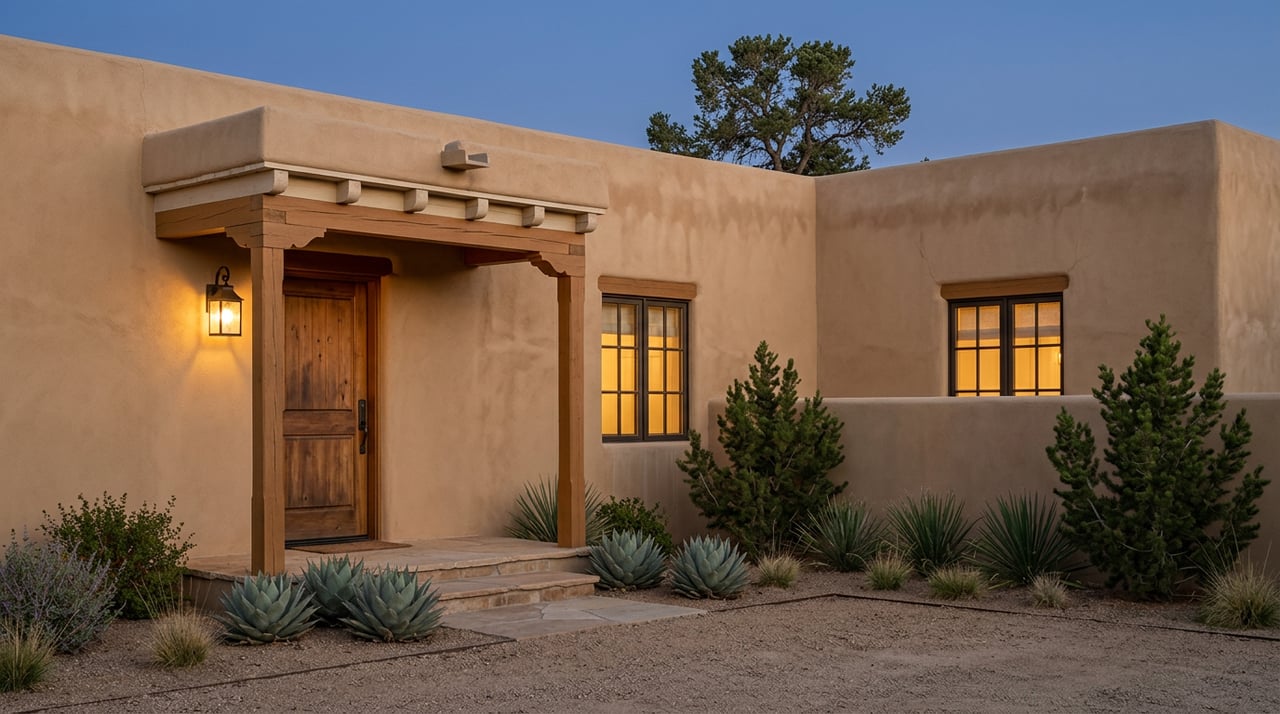
Many Eastside properties sit on small to modest urban lots, often arranged as courtyard homes or compound layouts near Canyon Road and the Plaza. In the uphill sections like Monte Sol and Upper Canyon, you’ll also find larger hillside parcels and view properties. Authentic adobes, Pueblo Revival, and Territorial styles are common, with carefully executed contemporary remodels woven in. Properties here are frequently subject to historic‑district review, reflecting the area’s long timeline and cultural value. For a historical overview of traditional building patterns, see the Barrio de Analco context.
South Capitol patterns
South Capitol’s Don Gaspar grid features bungalow‑era parcels with modest front yards and mature trees. Some blocks include small multi‑unit compounds, while adjacent streets bring mid‑century layouts with slightly larger yards. You’ll encounter early 1900s bungalows and Territorial homes alongside mid‑century modern renovations and tasteful infill condos. The variety gives you more choice in size, age, and layout than you’ll typically see in the Eastside core. Neighborhood planning context and historic‑district notes are available through the City of Santa Fe preservation resources.
Walkability and everyday life
Both neighborhoods rank among Santa Fe’s most walkable. Your exact walk experience depends on the block, but the trend is clear: close access to art, dining, parks, and daily errands. In the Eastside, proximity to Canyon Road galleries and the Plaza is a signature perk. If you’re curious about that scene, skim this Historic Eastside neighborhood overview.
From South Capitol, you’re within a short stroll of the Railyard district, with shopping, dining, and the popular farmer’s market. Sample Walk Score pages show strong walkability near the Capitol area, a useful proxy for South Capitol addresses. You can review a Walk Score example near the Capitol to get a feel for nearby amenities.
If commuter rail access matters to you, South Capitol earns an extra point. The neighborhood is served by the South Capitol Rail Runner station, which adds a convenient transportation option.
Prices and value ranges in 87501
Recent market context for ZIP 87501 placed median sale prices in the high 700s in late 2025 through January 2026. Listing medians can skew higher because top‑end inventory pulls averages upward. What matters most is how prices cluster by neighborhood and property type.
- Historic Eastside: Expect a wide band from the upper six figures into the multi‑million range. Authentic adobes near Canyon Road or larger compounds closer to the Plaza command premium pricing. Many listings and recent sales sit near or above the 900K to 1M mark, with standout properties well above that.
- South Capitol: You’ll see a broader entry point. Smaller condos and compact renovated units can appear in the mid to high 300s to 500s. Single‑family homes commonly range from roughly 600K up through low to mid seven figures for larger parcels or fully restored properties.
Two takeaways help most buyers: First, both areas are competitive due to tight in‑town inventory. Second, South Capitol typically offers more options at the lower end, while the Eastside features a higher concentration of premium, historically significant homes.
Which vibe fits you?
Choose Historic Eastside if you prioritize
- A quintessential Santa Fe setting close to galleries and the Plaza.
- Historic adobes, courtyard compounds, and high‑design renovations.
- A walk‑everywhere lifestyle with lively arts foot traffic nearby.
- Comfort with preservation review and potential renovation constraints.
Choose South Capitol if you value
- A quieter residential feel with mature trees and a neighborhood rhythm.
- More variety in home formats: bungalows, renovated adobes, and infill condos.
- Walkability to the Railyard plus easy access to downtown.
- A wider range of price points within a central location.
Fast decision checklist
Use these quick questions to narrow your search:
- Budget: What is your top number? If you’re under about 600K, you’re more likely to find South Capitol condos or smaller units, with select Eastside condo options at times. At 800K and above, Eastside choices open up quickly.
- Yard vs courtyard: Do you want a modest urban yard and possible garage options, or do you prefer intimate courtyards and compound living? South Capitol leans slightly toward urban yards; courtyards are common in the Eastside core.
- Historic authenticity vs turnkey: Are you comfortable with preservation constraints and unique renovation needs on historic adobes? If you prefer newer or more flexible renovations, you’ll find them in both areas, but they are often easier to source in South Capitol.
- Walking priorities: Is your daily walk to the Plaza and Canyon Road galleries, or the Railyard’s markets and dining? Eastside favors Plaza and Canyon; South Capitol favors the Railyard while staying close to downtown.
- Parking and visitors: Will you need off‑street parking or frequent guest parking? Validate parking on specific properties, especially in historic Eastside blocks with tighter sites.
- Commuter rail: Does Rail Runner access matter? South Capitol benefits from the nearby South Capitol station.
- Renovation tolerance: Would you enjoy restoring an older home, or do you want move‑in ready? Be honest about time, budget, and patience.
Preservation and permitting essentials
Parts of both neighborhoods fall under historic design review, including the Eastside and Don Gaspar areas. If you’re considering exterior changes, additions, or certain material updates, you’ll want to discuss timelines and requirements early. The City’s preservation guidance and district outlines are a helpful first stop. Review the City of Santa Fe historic and design review resources to understand what typically triggers review and how to prepare.
Next steps
If you love the character of central Santa Fe, you can’t go wrong with either neighborhood. The Eastside rewards buyers who want a high‑prestige, gallery‑adjacent address and are comfortable with preservation rules. South Capitol shines for buyers who seek a classic in‑town feel, broader price variety, and quick access to the Railyard and rail station. The best way to decide is to walk a few blocks in each, note how you move through daily errands, and compare a short list of homes that match your budget and style.
When you’re ready, connect with a local expert who knows block‑by‑block nuances, historic review triggers, and current inventory. Reach out to Leland Titus to compare listings, tour on your schedule, and make your next move with confidence.
FAQs
What are the key differences between South Capitol and the Historic Eastside in Santa Fe 87501?
- The Eastside centers on historic adobes and Canyon Road proximity with strict preservation oversight, while South Capitol offers a bungalow‑era grid, broader home types, and similar walkability with easier access to the Railyard.
How do prices generally compare between South Capitol and the Historic Eastside?
- The Eastside typically shows higher pricing, ranging from upper six figures to multi‑million properties, while South Capitol offers a wider entry range with condos in the mid to high 300s to 500s and single‑family homes from roughly 600K to the low or mid seven figures.
Is it realistic to live car‑light in these neighborhoods?
- Yes. Both areas are very walkable, with the Eastside close to the Plaza and Canyon Road and South Capitol close to the Railyard; walkability varies by block, and South Capitol also benefits from the nearby Rail Runner station.
What should I know about historic‑district rules before renovating in the Eastside or Don Gaspar?
Does South Capitol have commuter rail access in Santa Fe?
Which neighborhood tends to have better off‑street parking options?
- It depends by property and block, but South Capitol’s grid and parcel layout can offer more opportunities for driveways or garages, while some Eastside sites are tighter and require careful parking checks during due diligence.