Did your dream home in Monte Sereno or nearby 87501 neighborhoods appraise below your contract price? You are not alone. In Santa Fe’s unique, low‑inventory market, appraisal gaps can surprise even well‑prepared buyers and sellers. In this guide, you will learn what an appraisal gap is, why it happens here, and practical steps you can take to protect your deal and your budget. Let’s dive in.
What an appraisal gap means
An appraisal gap is the difference between the agreed purchase price and the appraiser’s opinion of value. When the appraisal comes in lower than the contract price, a lender will typically base the loan on the appraised value, not the higher price. That creates a shortfall you must solve with cash, contract changes, or a mix of both.
In Santa Fe, gaps matter because they can delay financing, trigger renegotiation, or cause a contract to fall apart. Understanding your options before and after the appraisal helps you move forward with confidence.
Why gaps happen in Monte Sereno and 87501
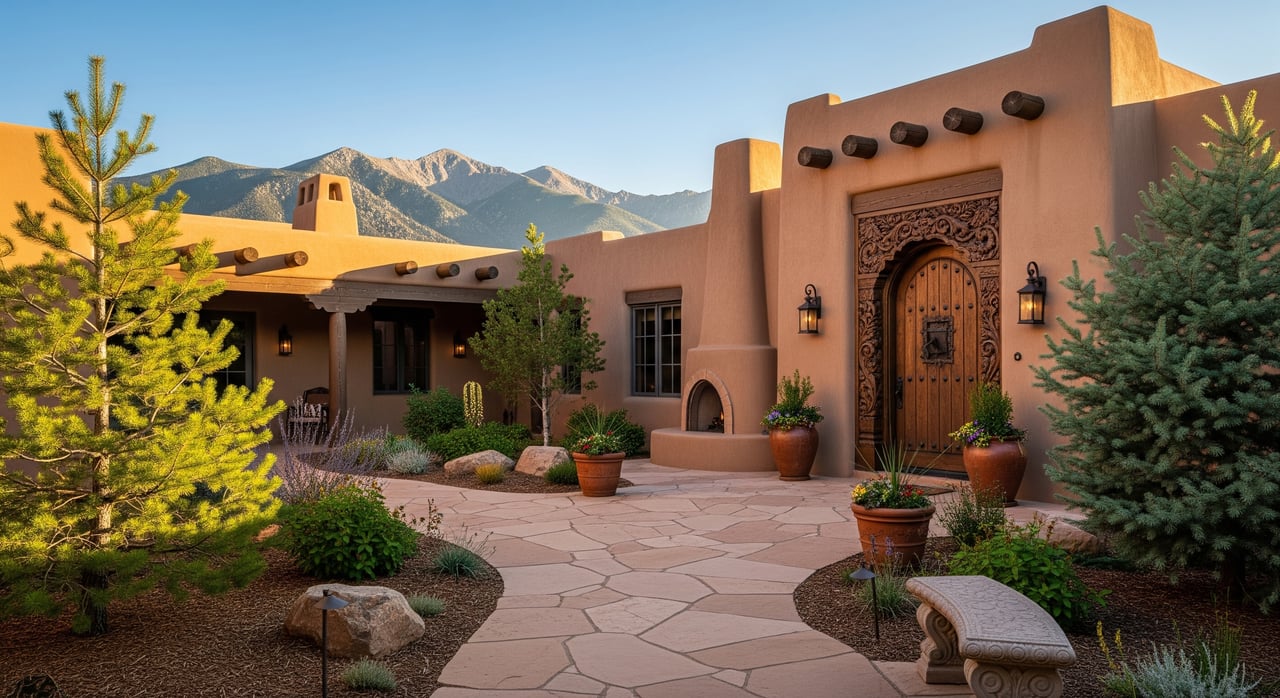
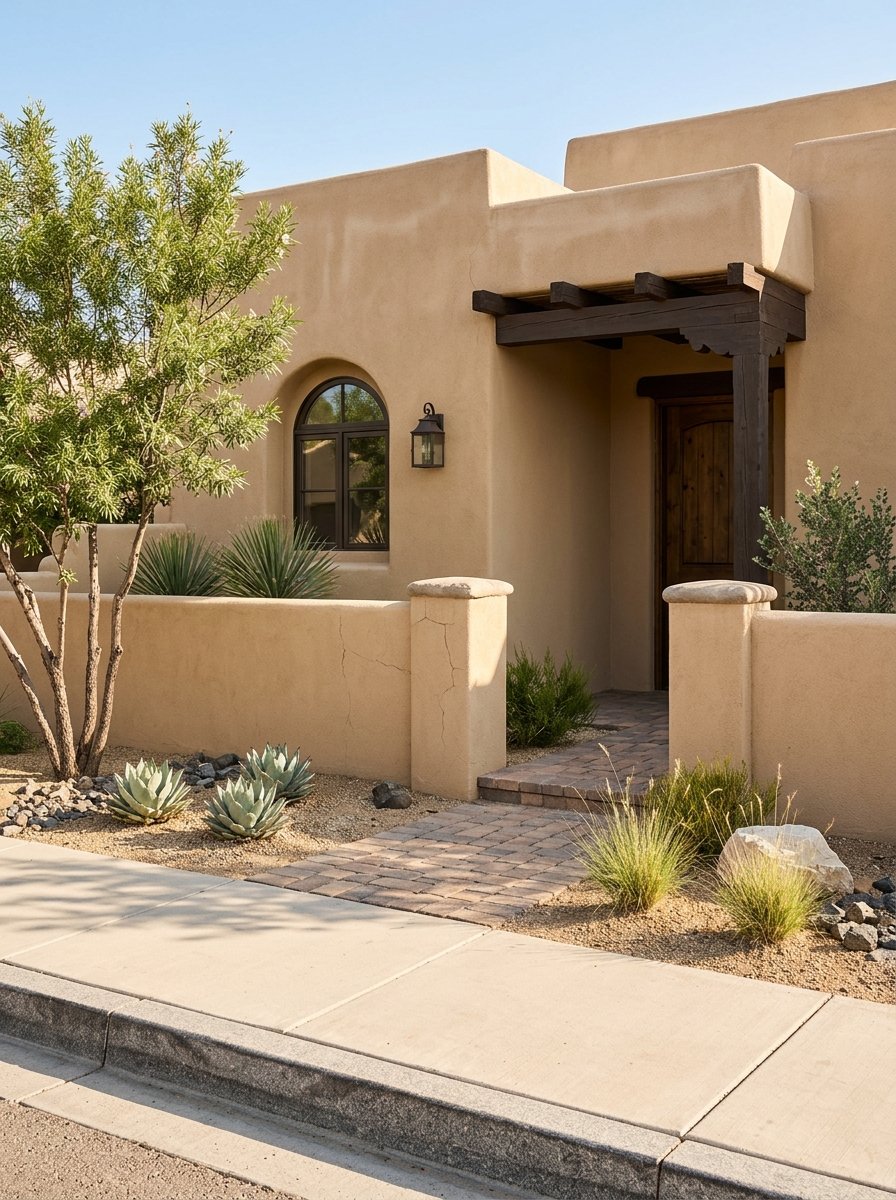
Santa Fe’s housing stock is distinctive. Many homes feature custom architecture, adobe or historic elements, big view lots, and acreage. These traits are part of the appeal, but they also make apples‑to‑apples comparisons hard.
Appraisal gaps are more likely when:
- Competitive bidding pushes prices beyond recent closed sales.
- There are few recent comparable sales within 3 to 6 months.
- A property’s unique features are difficult to quantify with standard adjustments.
- Buyers escalate or waive contingencies to win in a tight market.
- Appraiser availability varies and familiarity with the micro‑market is limited.
How the appraisal process works
- After you sign a contract and apply for a loan, your lender orders the appraisal.
- The appraiser studies recent comparable sales, visits the property, and prepares a report, usually using the sales comparison approach.
- Turn times vary from a few days to more than two weeks depending on availability and loan type.
- Some loans may allow a desktop or appraisal waiver, but that is lender‑driven and depends on the property and data in underwriting systems.
To align your expectations, ask your lender about timing, the type of appraisal expected, and any local standards for comp selection in the 87501 area.
Buyer strategies to manage gaps
Before you write an offer
- Talk with your lender about the appraisal contingency and deadlines in your loan timeline.
- Ask whether your scenario could be eligible for an appraisal waiver. Eligibility is lender‑driven and not guaranteed.
- Decide in advance how much additional cash you could bring if needed. Put your comfort level in writing so you are not guessing after the appraisal.
Smart ways to stay competitive
- Keep the appraisal contingency, but add an escalation clause with a defined ceiling. You stay competitive while keeping protection in place.
- Include an appraisal gap guarantee with a cap. For example, you promise to pay up to a set dollar amount above the appraised value. Coordinate with your lender on how this affects your down payment and loan‑to‑value.
- Be cautious about fully waiving the appraisal contingency. Only consider this if you can cover any shortfall and your lender confirms it will not jeopardize your financing.
If the appraisal comes in low
- Request the lender’s appraisal dispute or reconsideration process. Provide a factual package with additional comps, a list of upgrades, permits, and any unique attributes that support value.
- Negotiate with the seller. Options include splitting the difference, the buyer covering the gap, or a price reduction to appraised value.
- Adjust your financing structure if allowed. Your lender can advise whether changing your down payment ratio still meets underwriting requirements.
Avoid pressuring an appraiser or misrepresenting facts. Stick to verifiable information and follow the lender’s process.
Seller strategies to protect your price
Before listing
- Price with recent closed sales in mind to reduce the risk of a low appraisal.
- Prepare a comp packet for appraisers that includes: relevant comparable sales, a list of upgrades with dates and receipts, permits, and clarifying notes about features that impact value such as view corridors or site improvements.
When you receive multiple offers
- Look beyond the top number. Ask for buyer proof of funds and a strong lender pre‑approval.
- Favor offers with clear appraisal gap guarantees and reasonable timelines for the appraisal.
- Consider terms that reduce risk, such as shorter appraisal deadlines or higher earnest money, while staying within what is practical in your situation.
If the appraisal is low
- Options include reducing the price to the appraised value, asking the buyer to cover the gap, splitting the difference, or returning to market. Your decision will depend on your timeline, the strength of your backup interest, and current demand.
Loan programs and appraisals
- Conventional loans: Appraisal waivers are sometimes possible through automated underwriting. Otherwise, the lender bases the loan on the appraised value, and standard appraisal guidelines apply.
- FHA loans: FHA has minimum property standards. Appraisals may be conservative, and gaps can be harder to bridge within program rules.
- VA loans: VA uses Minimum Property Requirements and issues a Minimum Property Value. These can limit the loan amount if the appraisal is low.
- Cash buyers: No lender appraisal is required, but many cash buyers still order one for peace of mind and negotiation clarity.
Work closely with your lender to understand documentation, timing, and how any appraisal gap guarantee interacts with your loan‑to‑value and down payment.
Example: how the numbers pencil out
Here is an illustrative scenario to show how a gap might affect cash to close:
- Contract price: 650,000 dollars
- Appraised value: 620,000 dollars
- Planned down payment: 20 percent of contract price, which is 130,000 dollars
- Lender finances 80 percent of appraised value, which is 496,000 dollars
- Expected loan at 80 percent of contract would have been 520,000 dollars
- Difference in loan amount is 24,000 dollars
The buyer would need to increase cash to close by 24,000 dollars, on top of the planned down payment and closing costs, unless the parties renegotiate. Always confirm with your lender whether down payment and loan‑to‑value are calculated against the contract price or the appraised value.
Local steps and who to contact
- Speak with your lender about timing, potential appraisal waivers, and dispute procedures for your loan type.
- Ask your broker for a micro‑market analysis and a comp set that mirrors how local appraisers typically choose comparables.
- For market data and recent sales, consult the Santa Fe Association of REALTORS MLS and Santa Fe County public records.
- For appraisal standards and consumer issues, the New Mexico Regulation and Licensing Department oversees appraiser licensing and complaints.
If you believe an appraisal contains factual errors, use the lender’s reconsideration process and supply verified documents. Keep communication professional and fact‑based.
What to do next
- If you are a buyer, set your appraisal strategy before you write the offer. Decide on your maximum escalation and any appraisal gap coverage you are truly comfortable funding.
- If you are a seller, prepare for the appraisal as seriously as you prepare for showings. A clean comp packet and accurate upgrade list can help an appraiser understand value.
- In both cases, align your plan with your lender and your broker. Clear terms in the contract reduce surprises and speed up solutions if a gap appears.
When you want neighborhood‑level guidance on Monte Sereno and nearby 87501 properties, connect with a local team that knows how appraisals are handled on the ground and how to structure deals that close. If you are weighing an appraisal gap decision right now, reach out to Leland Titus for a calm, data‑driven plan.
FAQs
What happens if the appraisal is lower than the purchase price in Santa Fe?
- The lender bases the loan on the appraised value, and you either bring more cash, renegotiate price and terms, or use the lender’s dispute process to seek a revision.
Can a buyer require a seller to lower price after a low appraisal in New Mexico?
- It depends on the contract and the appraisal contingency; without a contingency, the buyer typically cannot force a reduction, so review your purchase agreement with your broker.
How common are appraisal gaps in 87501?
- Frequency varies with inventory and competition; gaps are more likely in seller markets, in unique properties, or where recent comparable sales are limited.
Are Monte Sereno homes more likely to face appraisal gaps?
- Homes with custom design, view lots, or few recent comps can face higher gap risk, which often describes luxury segments similar to Monte Sereno within the greater 87501 market.
How should I structure an appraisal gap guarantee in my offer?
- Set a specific dollar cap, state how it affects your down payment and loan‑to‑value, and coordinate with your lender and broker so the language matches underwriting.
What documents help an appraiser support a higher value in Santa Fe?
- Provide recent comps, permits, a detailed upgrade list with dates and receipts, notes on site improvements, and relevant HOA or condo documentation if applicable.