If you are drawn to Santa Fe for big skies, quiet roads, and a little more breathing room, Tano Road often stands out fast. It offers a rural-feeling setting without putting you far from the Plaza, trails, or the Opera, which makes it especially appealing if you want space but still need practical access to town. Understanding daily life here matters, because Tano Road is not a typical in-town neighborhood and the routine feels different in meaningful ways. Let’s take a closer look.
Tano Road feels rural, not remote
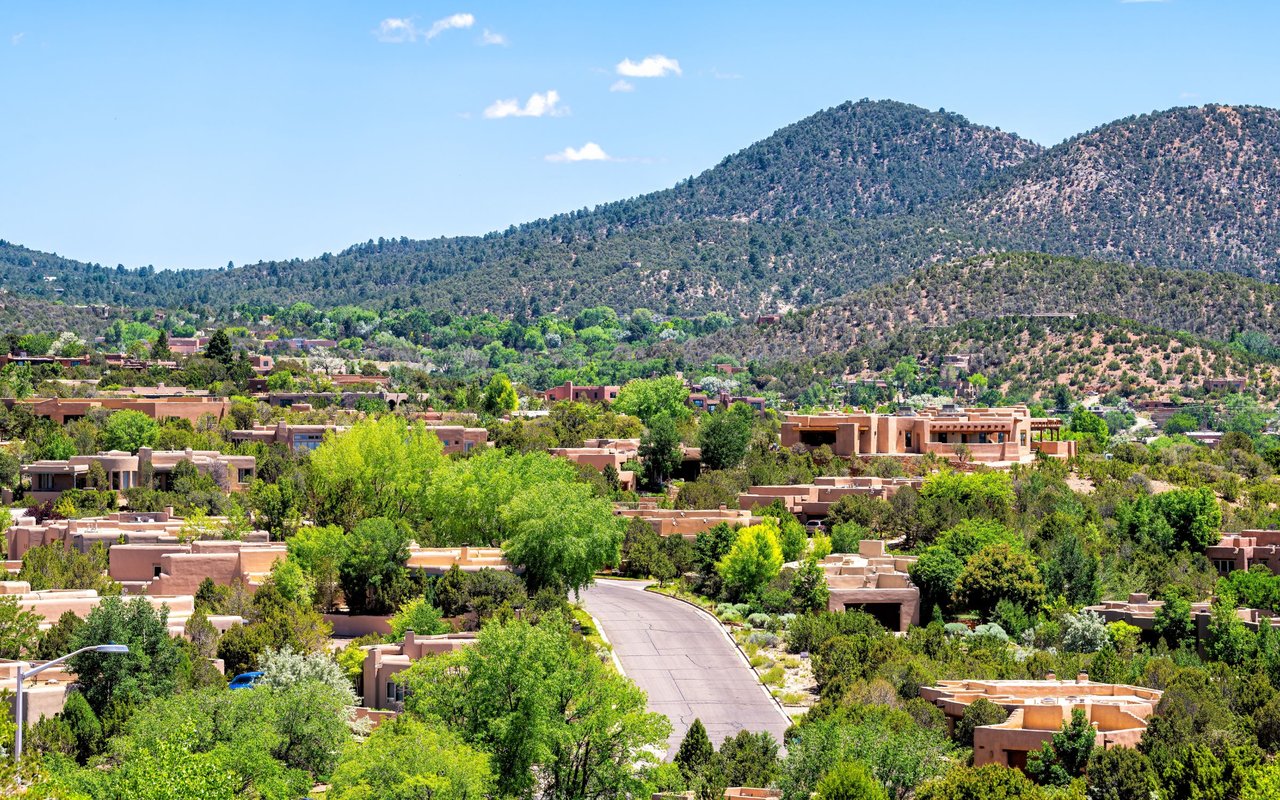
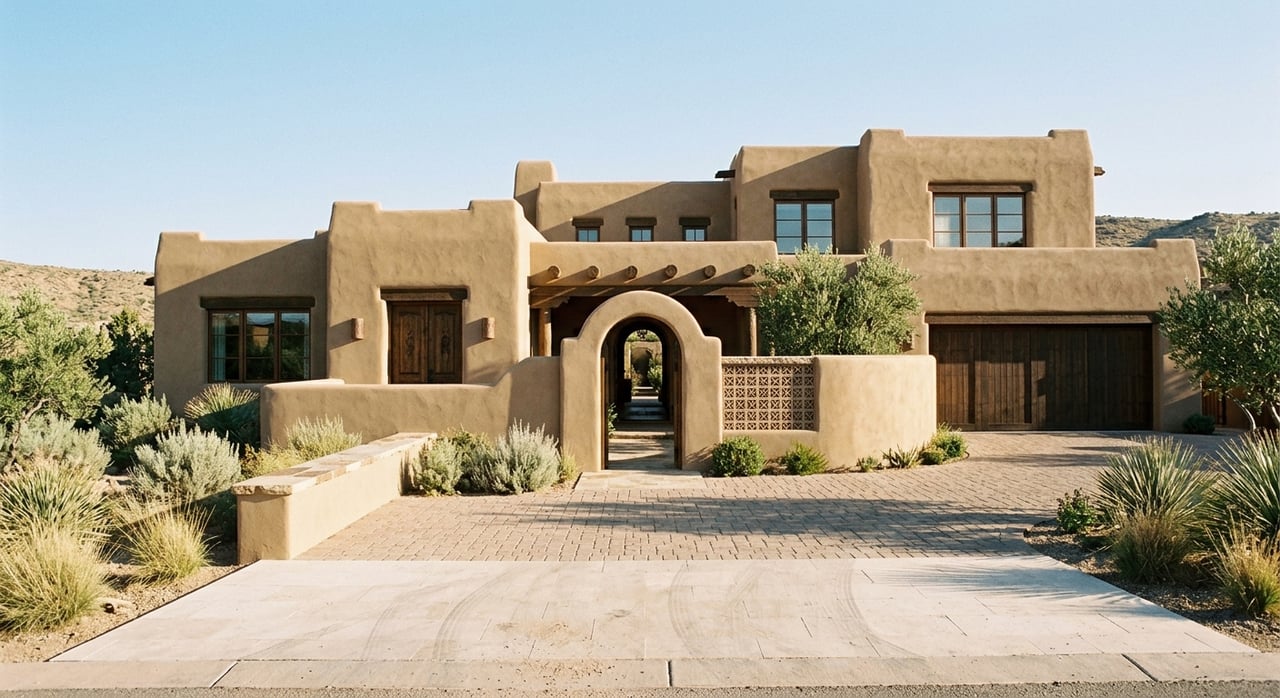
Tano Road sits in northwest Santa Fe in an area county planning materials describe as a rural natural-park setting. The landscape is shaped by ridges and arroyos, with mountain views and native pinon and juniper that give the area its distinct Northern New Mexico feel.
That setting tends to shape your day from the moment you leave home. You are likely to notice more open land, fewer tightly packed homes, and a quieter rhythm than you would find in more built-out parts of Santa Fe.
Getting around is mostly car-based
One of the biggest day-to-day realities on Tano Road is that you will drive for most errands. County road records show Tano Road includes both asphalt and dirt sections, which reinforces the semi-rural character and the fact that this is not a suburban, sidewalk-centered environment.
For many buyers, that tradeoff is worth it. County planning materials say most residents in this northwest area are within about 15 minutes of the Plaza, which means you can often enjoy a more spacious home setting without giving up reasonable access to downtown Santa Fe.
Commute expectations
If you work in or near town, the drive may feel manageable compared with many larger metro areas. Santa Fe County reports a countywide mean travel time to work of 23.8 minutes, while the northwest area that includes Tano Road is described as being within about 15 minutes of the Plaza.
That said, your actual drive time will depend on your exact address, weather, and road conditions. Living here usually works best if you are comfortable planning your day around the car rather than expecting a quick walk to stores or services.
Errands happen east of Tano Road
Tano Road itself is more residential and open than commercial. County appraisal materials note that most commercial and retail development serving the area is east along St. Francis Drive rather than inside the Tano Road pocket.
In practical terms, that means your grocery runs, household errands, and many routine stops are usually part of a drive into town. For some people, that feels like a small price to pay for space and privacy. For others, it is an important lifestyle consideration before buying.
Homes are spread out and lot sizes are a big part of the appeal
If you picture a compact subdivision, Tano Road will likely feel very different. County appraisal materials describe the area as having large lots and mixed-age single-family homes of good to excellent quality, with substantial open space woven into the area.
That creates a more spread-out estate-style feel. Instead of homes sitting close together, the market tends to emphasize land, separation, and a stronger connection to the natural surroundings.
Acreage changes daily life
Public listing examples cited in the research show parcels around 1.76 and 2.54 acres. Those are only snapshots, not market averages, but they help illustrate the acreage-first character that many buyers notice right away.
With more land often comes a different kind of ownership experience. You may have more room for outdoor living, views, and privacy, but you may also have more property to maintain than you would in a smaller in-town setting.
Rural systems are part of the routine
A big part of day-to-day life on Tano Road is managing the systems that come with a more rural property. According to the Tano Road Association, most residents use well water, propane is common, and septic tanks need periodic draining.
These are not necessarily drawbacks, but they do require awareness. If you are moving from a more urban area, it helps to know that homeownership here can involve more hands-on planning and seasonal maintenance.
What homeowners often keep an eye on
The Tano Road Association also points to a few practical issues that come up in the area:
- Hard water
- Septic service needs
- Flat-roof maintenance
- Stucco cracking
- Spotty internet or cell service
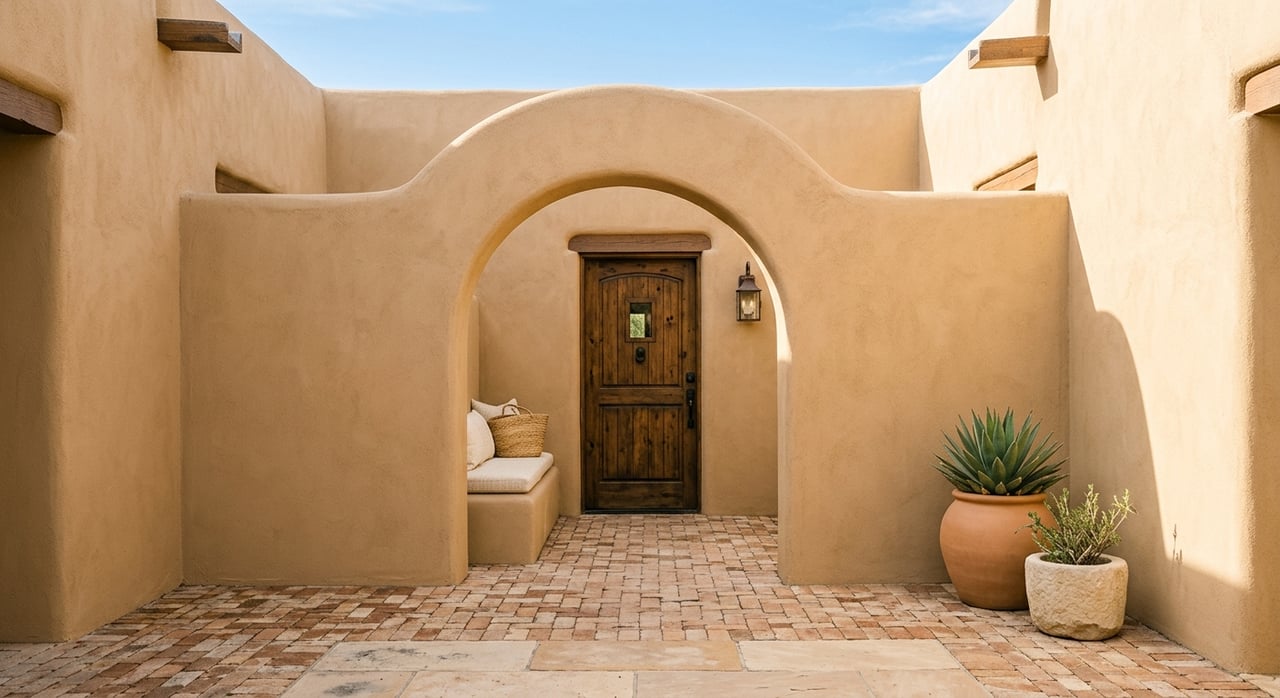
- Wi-Fi interference from thick adobe walls
None of this means a property is problematic by default. It simply means the lifestyle tends to reward buyers who appreciate the character of rural Santa Fe living and are prepared for the upkeep that can come with it.
Internet and service can vary
If you work from home or rely heavily on streaming, this is one detail worth checking early. The Tano Road Association notes that internet and cell service can be spotty because of the area’s hilly terrain and lower population density.
That can affect your daily routine more than you might expect. Before you buy, it is smart to confirm what service is available at a specific address and how well it fits your work, communication, and entertainment needs.
Outdoor access is a real lifestyle perk
For many residents, the nearby trail access is one of the strongest reasons to choose Tano Road. La Tierra Trails are the major public trail system nearby, with more than 25 miles in Santa Fe’s northwest quadrant for hiking, biking, and some equestrian use.
A La Tierra trail plan also notes that the trail easement connects with Tano Road. That helps explain why the area can feel tied into Santa Fe’s broader outdoor network while still keeping its quieter, rural identity.
Everyday recreation feels close
If you like starting the day with a hike, a bike ride, or time outdoors, this location can support that rhythm well. You are not necessarily living in the middle of an urban park system, but you are close to one of the area’s better-known trail networks.
That balance is a major part of the appeal. You get a home setting that feels more removed, while still keeping access to public recreation nearby.
The Opera is part of the local lifestyle
Another nearby advantage is the Santa Fe Opera. Its visitor information places it seven miles north of downtown Santa Fe on the west side of U.S. 84/285, making it a notable cultural destination for people who want that part of the Santa Fe lifestyle within easy reach.
The Opera also offers free parking in lighted lots adjacent to the theater, and visitors are advised to arrive about 30 minutes early to avoid traffic. In season, there are also shuttle and rail-related options noted in Opera materials, which adds flexibility for some outings.
Community structure is looser than an HOA neighborhood
Tano Road is not defined by a formal master-planned HOA structure. The Tano Road Association describes itself as a voluntary neighborhood organization rather than an HOA, and it does not require monetary assessments.
That distinction matters if you prefer a more independent ownership experience. At the same time, the association offers community resources such as social events, a security patrol, propane discounts, and information related to wells and fire prevention.
Weather plays a role in the routine
Seasonal conditions are part of living on Tano Road. The Tano Road Association says winters can vary from heavy snow to very little snow, while summer monsoon season often brings afternoon thunderstorms in July and August.
That does not make the area difficult to live in, but it does mean you will want to stay aware of weather patterns and road conditions. This is part of the rhythm of rural Santa Fe living, and many residents see that seasonal change as part of the appeal.
Who tends to love Tano Road
Tano Road tends to fit buyers who want privacy, open space, views, and a stronger connection to the landscape. It can be a strong match if you value trail access and cultural amenities nearby, but do not need a walkable, low-maintenance, in-town routine.
In simple terms, this is often a better fit for rural-minded long-term living than for someone seeking a lock-and-leave urban lifestyle. The appeal is real, but it is most rewarding when the practical realities match the way you actually want to live.
If you are weighing whether Tano Road fits your goals, local insight makes a big difference. A property can look perfect online, but the daily routine, road feel, utility setup, and access patterns are what really shape your experience once you live there. When you are ready to explore homes or talk through the pros and tradeoffs of this part of Santa Fe, connect with Leland Titus.
FAQs
What is the daily lifestyle like on Tano Road in Santa Fe?
- Tano Road offers a rural-feeling lifestyle with larger lots, open space, mountain views, and a quieter pace, while still keeping you within a reasonable drive of downtown Santa Fe.
How far is Tano Road from the Santa Fe Plaza?
- County planning materials say most residents in the northwest area that includes Tano Road are within about 15 minutes of the Plaza, though actual drive time depends on your location and conditions.
Are homes on Tano Road usually on large lots?
- Yes. County appraisal materials describe the area as having large lots with single-family homes, and recent listing examples in the research help show that acre-plus parcels are common in character.
Do Tano Road homes often use wells, septic, and propane?
- Yes. The Tano Road Association says most residents rely on well water, septic tanks require periodic service, and propane is common in the area.
Is there a homeowners association on Tano Road?
- No formal HOA is identified in the research. The Tano Road Association is a voluntary neighborhood organization rather than a mandatory homeowners association.
Are trails near Tano Road easy to access?
- Yes. La Tierra Trails are nearby, and trail planning materials note a connection with Tano Road, supporting access to hiking, biking, and some equestrian use.
What should buyers know about internet and cell service on Tano Road?
- Service can be inconsistent in some areas because of hilly terrain and lower density, so it is wise to verify internet and cell performance for any specific property before you buy.