Yes, I recommend one on every purchase. EPA puts Santa Fe County in Radon Zone 1, its highest-potential category, and recommends testing any home you buy or sell. Order the test inside your inspection period so the result arrives before your deadline. EPA recommends fixing a home at 4 pCi/L or higher.
By Leland Titus, Qualifying Broker, Santa Fe Realty Unlimited | NM License #19177 | Updated November 2026
I was born and raised in Santa Fe, and I've been selling real estate here for more than 20 years: 1,100+ successful transactions and $300M+ in sales. Radon is the inspection item buyers forget most often, because you can't see it, smell it or spot it on a walkthrough. A test fits inside the normal inspection window and gives you leverage while you still have it. Start with my buyer page, then use this playbook.
Why does radon matter on a Santa Fe purchase?
Radon is a radioactive gas that comes from the natural breakdown of uranium in soil, rock and water, and it enters homes through cracks and openings in the foundation. EPA's Home Buyer's and Seller's Guide to Radon says the Surgeon General has warned that radon is the second leading cause of lung cancer in the United States, and EPA estimates that nearly one in 15 U.S. homes has an elevated level. EPA and the Surgeon General recommend testing all homes below the third floor. Source: EPA Home Buyer's and Seller's Guide to Radon, March 2024
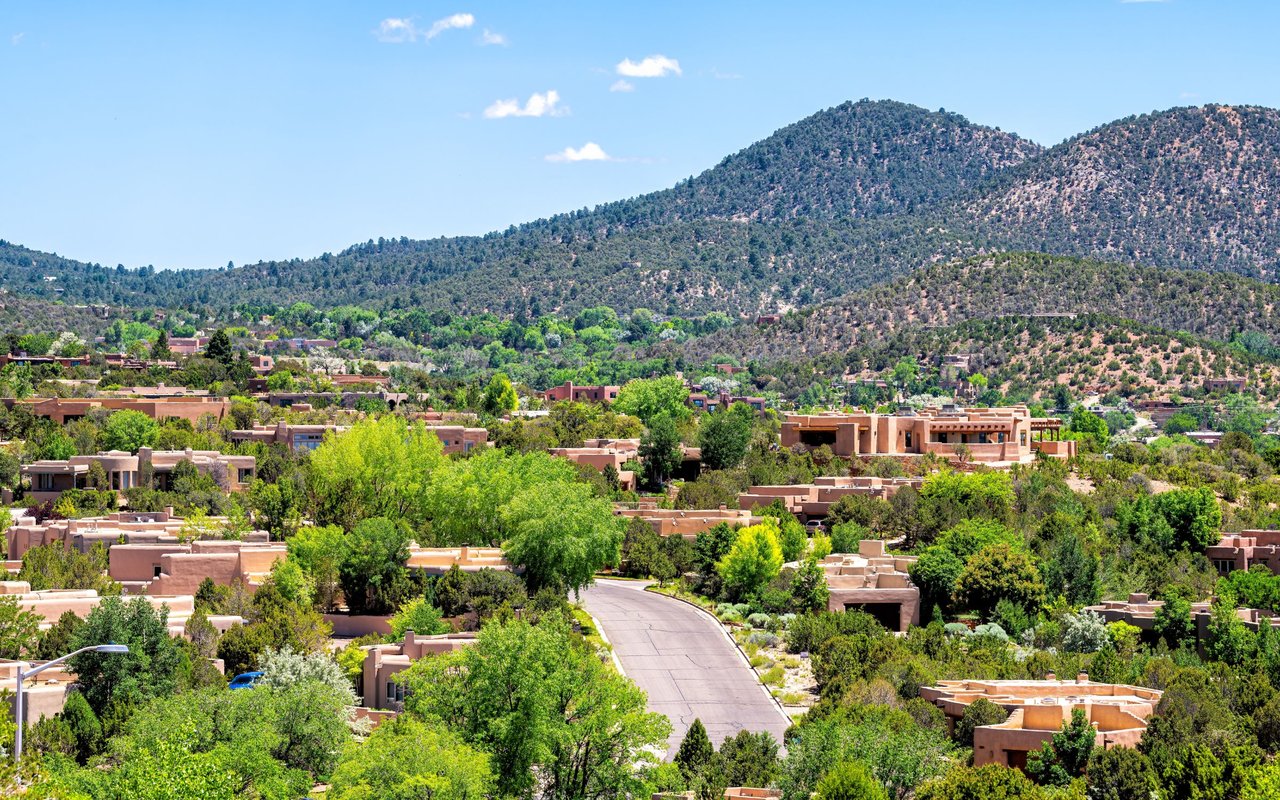
Here is the local piece. EPA's Map of Radon Zones places Santa Fe County in Zone 1, the category for counties with a predicted average indoor radon screening level greater than 4 pCi/L (picocuries per liter). EPA is clear that the map should not be used to decide whether an individual home needs a test: test no matter where you live. Sources: EPA radon zones spreadsheet and EPA Map of Radon Zones page
The New Mexico Environment Department says high radon levels above recommended limits are common in homes across the state because of New Mexico's regional geology. Source: NMED Indoor Radon Outreach Program
When should I test, and how long does it take?
Test during your inspection period, and order it the day your offer is accepted. EPA's real estate guidance calls for a test of at least 48 hours, plus lab time, which EPA says can take a few days or weeks unless you request expedited service. That timeline has to fit inside your deadlines, so I build it into the schedule from day one.
EPA lists three testing options that work in a real estate transaction:
EPA real estate test option | When to fix the home |
|---|
Two passive tests side by side in the same spot for at least 48 hours | Average of the two is 4 pCi/L or more |
One passive test for at least 48 hours, then an identical second test right after | Average of the two is 4 pCi/L or more |
A continuous radon monitor for at least 48 hours | Average level is 4 pCi/L or more |
EPA also recommends testing in the lowest level of the home that could be used regularly, since a buyer may use a lower floor than the seller did. Source: EPA Home Buyer's and Seller's Guide to Radon
What should I put in my offer?
EPA suggests the contract spell out these points when a home has not been tested:
- Where the test will be placed in the home.
- Who will run it, and which type of test.
- When the test will happen, so it fits your inspection deadline.
- How the buyer and seller will share the results and any test costs.
- When any radon reduction work will happen, and who pays for it.
If the seller already has a result, EPA says to check who ran it, where in the house it was placed, and whether the home has been renovated since. I'd ask for a new test if the last one is more than about two years old or wasn't run on the level you plan to use. We will match these points to your actual purchase agreement.
What if the result comes back high?
EPA says even very high levels can be reduced, and most homes can be fixed for about the same cost as other common home repairs. The usual fix is a vent pipe and fan system; EPA says sealing cracks alone has not been shown to work consistently. When a high result shows up during a sale, EPA says the buyer and seller should discuss the timing and cost of the fix. That is a negotiation, and I run it: a repair before closing, a credit or a price change. Get written mitigator estimates first so we negotiate from real numbers.
New Mexico has no in-state certification program for radon testers or mitigators. NMED points consumers to providers credentialed through one of the two recognized national radon proficiency programs, and says the state program does not recommend specific companies. Sources: NMED Indoor Radon Outreach Program and NMED radon FAQ
Does a private well change anything?
Yes. EPA says radon can also enter a home through well water, and a radon-in-water problem is more likely when the source is ground water such as a private well. If the air test is high and the home is on a well, EPA recommends testing the water too. Source: EPA Home Buyer's and Seller's Guide to Radon
I'm selling. Should I test before I list?
Yes. EPA recommends testing before you put your home on the market and fixing it if needed, because correcting a problem before listing gives you more time to handle it. Keep the result and any mitigation paperwork, which EPA calls a possible positive selling point. New Mexico residents can also request one free test kit per household from NMED's Indoor Radon Outreach Program while supplies last, and NMED recommends winter testing. Sources: NMED free radon test kits and NMED Indoor Radon Outreach Program. Then get my free home valuation and we will build your listing plan.
Frequently asked questions
Do I need a radon test when I buy a home in Santa Fe?
Yes, I recommend one on every purchase. EPA puts Santa Fe County in Radon Zone 1, its highest-potential category, and recommends testing any home you buy or sell. Order the test inside your inspection period so the result arrives before your deadline. EPA recommends fixing a home at 4 pCi/L or higher.
What radon level is too high?
EPA recommends fixing a home when the radon level is 4 pCi/L or higher, and says to consider fixing it when the level is between 2 and 4 pCi/L.
How long does a radon test take during a home purchase?
EPA's real estate options all run at least 48 hours, and lab results can take a few days or weeks unless expedited. Order the test as soon as your offer is accepted.
Is Santa Fe County a high radon area?
EPA's Map of Radon Zones puts Santa Fe County in Zone 1, counties with a predicted average indoor screening level greater than 4 pCi/L. EPA says to test every home regardless of zone.
Talk it through with me
Making an offer on a Santa Fe home? I'll fit the radon test into your deadlines and negotiate if the number comes back high.
Call or text me at (505) 388-0310
Santa Fe Realty Unlimited office (505) 467-8829 (call)
Search Santa Fe homes for sale, read my buyer page or seller page, or contact me online. Learn about me.
Sources
All sources accessed November 10, 2026.
This post is general information, not legal, medical or environmental advice. I'm a real estate broker, not a radon professional. Use a credentialed radon tester or mitigator for testing and repairs.
Leland Titus, Qualifying Broker, Santa Fe Realty Unlimited. NM License #19177. Equal Housing Opportunity. Santa Fe Realty Unlimited is pledged to the letter and spirit of U.S. policy for the achievement of equal housing opportunity throughout the Nation.